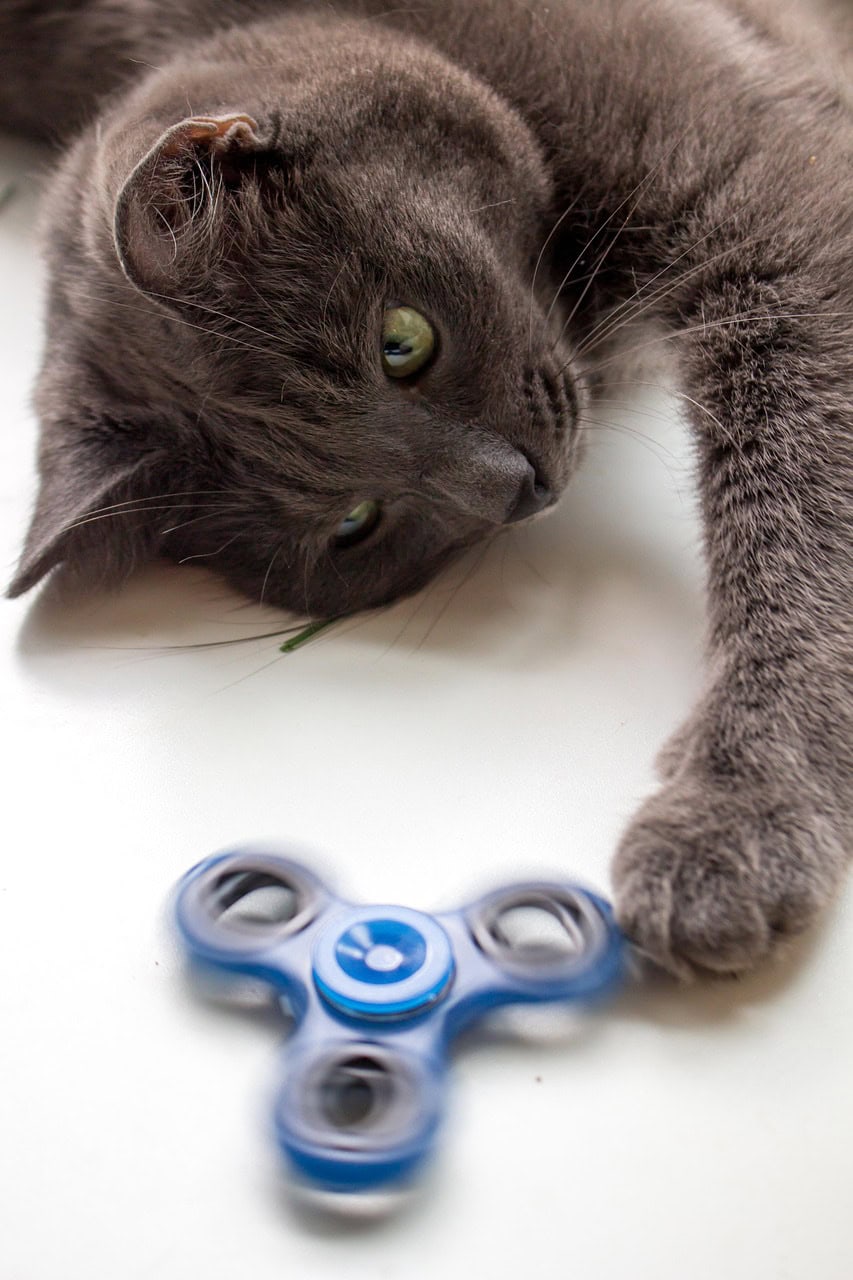
Automatic cat toys can help a bored indoor cat move, stalk, pounce, and reset between owner-led play sessions. The best ones are not magic babysitters. They are short-session enrichment tools: useful when they create prey-like movement, safe when they are inspected, and most effective when they are rotated with wand play, puzzle feeders, scratchers, and tough toys your cat can actually catch.
If your cat destroys ordinary toys, shop with a stricter standard. Look for enclosed motors, sturdy housings, replaceable attachments, no loose bells or glued-on pieces, and a motion pattern that gives your cat a chase without letting them chew the electronics. Avoid any automatic toy that invites your cat to bite a battery compartment, swallow string, or work one weak seam until stuffing comes out.
What automatic cat toys are best for
Automatic cat toys are most useful for three jobs: adding movement when you are busy, giving indoor cats more daily hunting-style activity, and keeping novelty in a toy rotation. They can be especially helpful for cats that stare at a toy before launching, cats that need short bursts of exercise, and cats that get bored when a toy moves the same way every time.
Veterinary behavior guidance supports this general idea. The AAFP and ISFM environmental needs guidelines include play and predatory behavior as a core feline need, with toys, owner interaction, and feeding devices all used to help cats hunt, capture, and manipulate objects. That is the standard an automatic toy should serve.
Think of the toy as one part of the sequence, not the whole routine. A good session may look like this: five minutes of automatic motion while your cat stalks, a wand or kicker toy they can grab, a small treat or meal puzzle, then rest. That final catch matters because endless chase without a capture can frustrate some cats, especially with lasers and toys that always escape.
Choose by movement, not just by gadget features
The toy’s motion matters more than the app, lights, or number of modes. Cats tend to respond to movement that resembles prey: quick starts, pauses, hiding, darting away, and occasional chances to pin the target. Smooth circles and repetitive buzzing may work once, then become furniture.
- Randomized wand toys: Good for cats that like feather or fabric lures, but the attachment must be replaceable and put away if it frays.
- Rolling balls or mice: Better for chasers, but only if the shell cannot crack into sharp pieces and the toy does not trap paws under furniture.
- Peekaboo or hidden-motion toys: Useful for stalkers because the target appears and disappears instead of sitting in plain view.
- Flopping fish and plush electronics: Often exciting at first, but rough chewers can focus on seams, zippers, or charging ports.
- Laser toys: Use sparingly and end with a physical toy or treat so the hunt has a real finish.
Product roundups often rank toys by entertainment value. That is useful, but rough-player households should add a second filter: where will this fail if a cat bites it hard for 30 seconds? If the answer is a feather glued to a wire, an exposed seam, or a thin plastic shell, treat it as supervised-only.
Safety checks before the first session
Before giving your cat any automatic toy, run a two-minute inspection. Open and close the battery compartment. Tug attachments. Press around seams. Check whether the toy has tiny parts, bells, exposed string, loose fabric, brittle plastic, or a charging port your cat can chew. If the toy smells strongly chemical or leaves residue on your hands, do not use it.
The VCA guidance on cat play and toys recommends monitoring play so cats do not consume non-food toys. The AAFP/ISFM guidelines also advise putting away string-like toys after play and avoiding small ingestible parts for unsupervised access. Automatic does not cancel those rules.
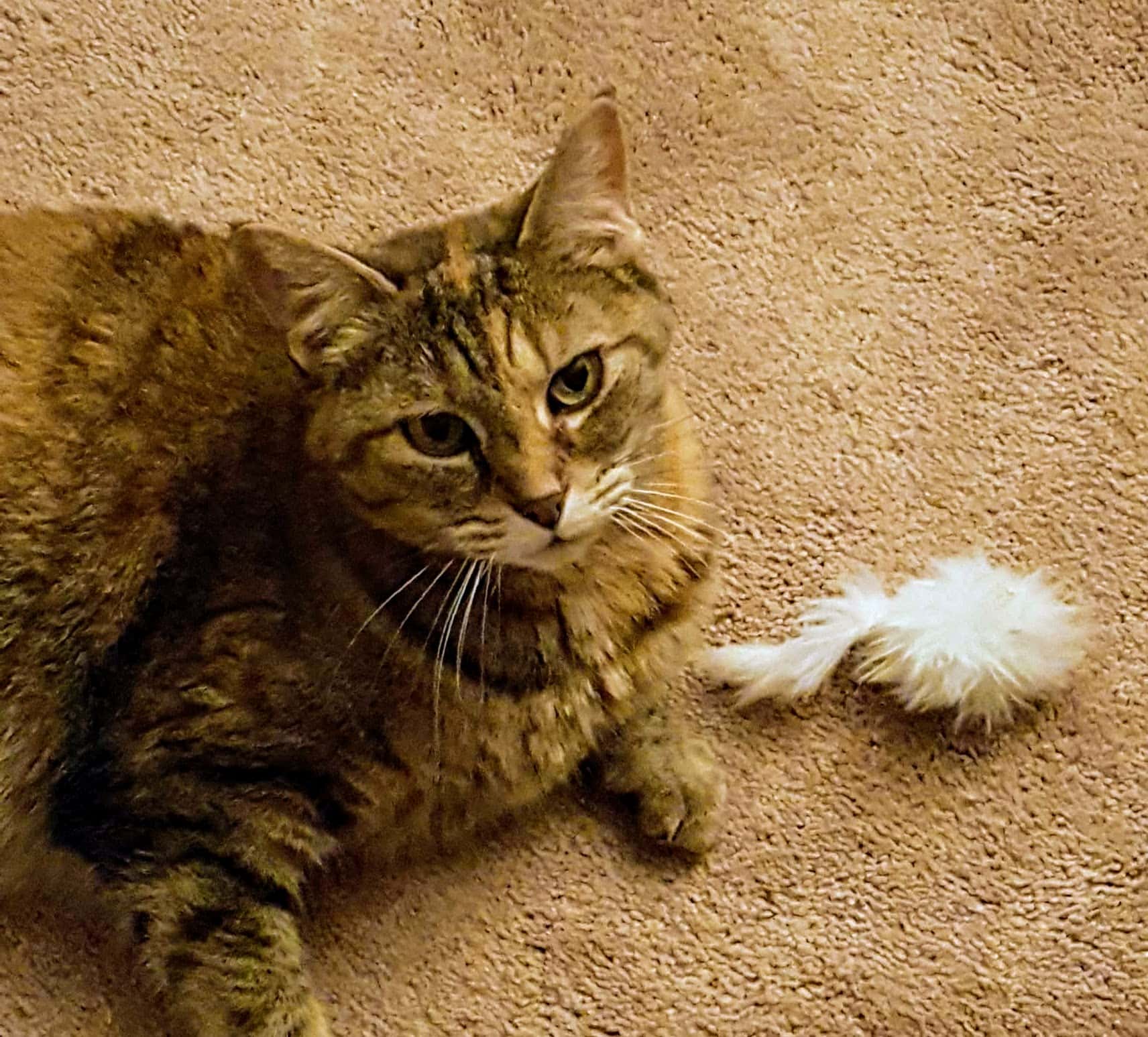
Use this quick pass before and after rough play:
- Battery door closes firmly and cannot be pried open by claws or teeth.
- No loose string, elastic, ribbon, feather shaft, bell, eye, or plastic tab.
- No exposed wires, cracked shell, sharp plastic edge, or hot motor smell.
- Fabric covers have tight stitching and no stuffing leaks.
- The toy shuts off reliably and does not keep running under furniture.
- Your cat can walk away, hide, or decline the game without being chased by the toy.