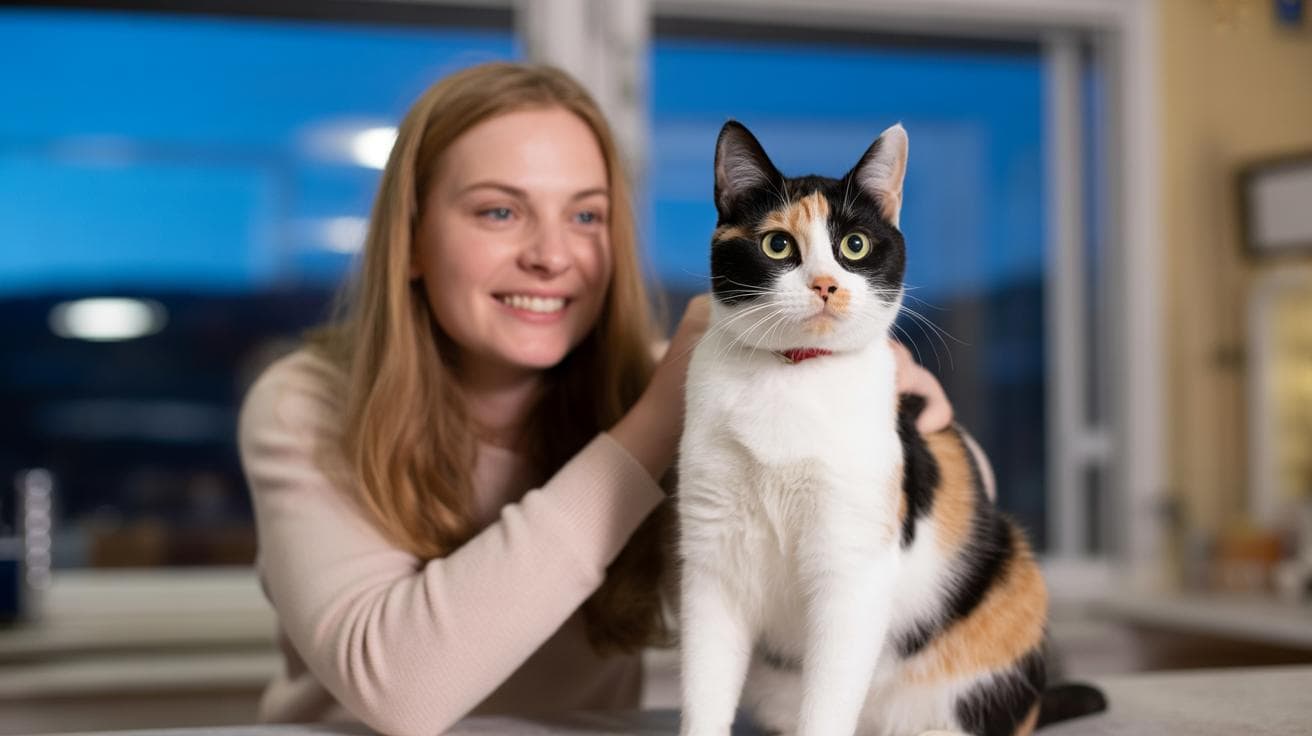
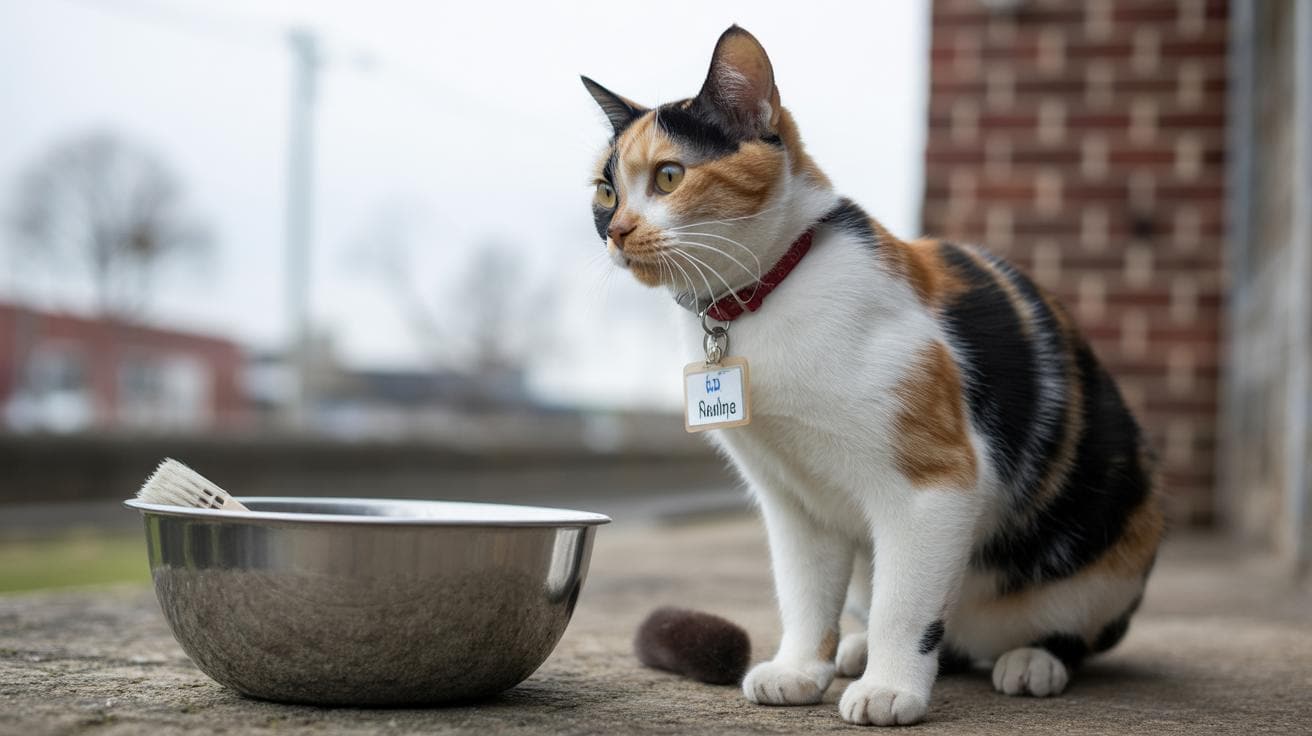
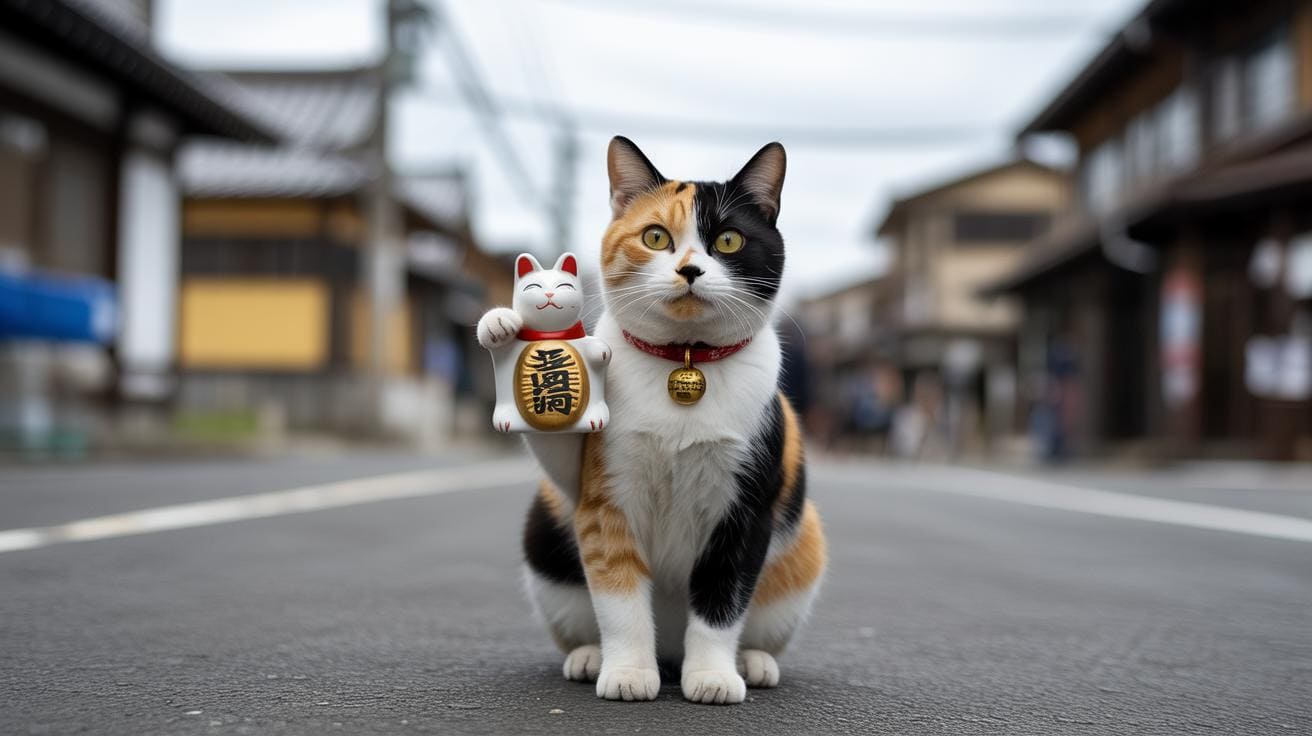
Almost every calico you meet will be female. Male calicos are rare, about 1 in 3,000, and when they do show up it’s usually because they have extra sex chromosomes (like XXY, an extra X) or they’re chimeras (two different cell lines in one body). Ever seen one? They feel like a tiny miracle.
Calico isn’t a breed. It’s a tri-colored coat: white plus black and orange, and when the colors are softer you’ll hear people call them dilute (dilute means the pigments are paler). That patchwork look comes from X chromosome inactivation (each cell randomly switches off one X chromosome, so different patches express different colors). The result is like someone gave your cat a tiny, one-of-a-kind painting. So pretty.
So why the rare males? Two main reasons. One: an extra sex chromosome, XXY (which often means the male is sterile). Two: chimerism (when two embryos fused early on, leaving mixed cell lines). Think of it like a biological collage, two color patterns living in one kitty.
Quick care tips so your calico stays happy and healthy. Grooming: brush regularly to cut down shedding and hairballs, short-haired cats once a week, long-haired a few times a week. Diet: feed a balanced food and watch weight; treats are fine, but don’t overdo them. Play: interactive toys and teaser wands (like a fishing rod for cats) give great exercise and mental fun, your cat’s whiskers will twitch, and you’ll get the best camera shots. For busy days, toss an unbreakable ball before you head out for ten minutes of safe play.
I’ll break down the genetics, walk through those rare male cases, and share simple grooming, diet, and play tips so your calico stays healthy and you can keep watching those whiskers twitch. Worth every paw-print.
Tri-Color Coat Quick Facts (Lede)
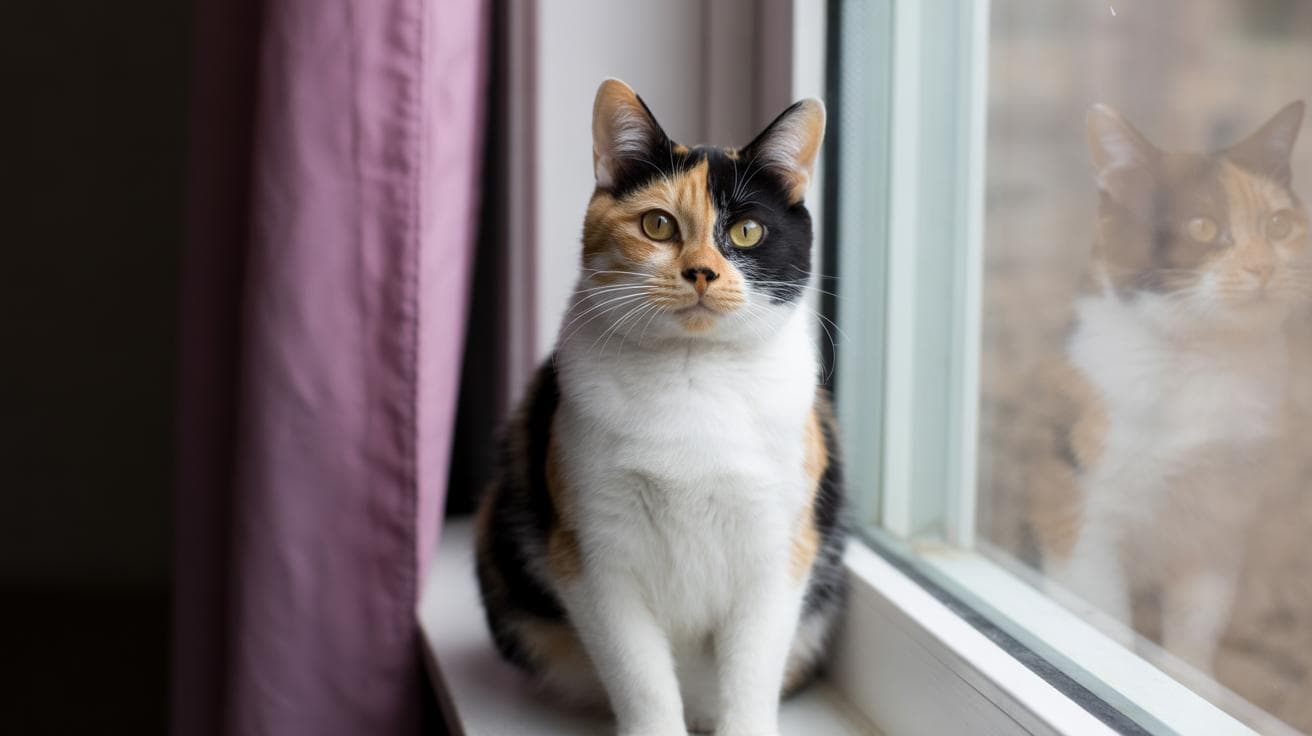
Calico means a tri-colored coat: white plus black and orange, and sometimes the colors are lighter like cream and blue in dilute cats (dilute = a softer, paler version of the color). It’s a coat pattern, not a breed, so you’ll see it across many purebreds and mixed cats. Picture little painted patches that land differently on every cat.
Calico coats turn up a lot in shelters and rescues, so don’t assume a calico’s breed by the pattern alone. If you’re adopting, check the Care & Adoption section for breed-specific tips and what to expect.
Almost all calicos are female, about 99.9%, because the color pattern comes from genes on the X chromosome (X-linked = the gene lives on the X chromosome). The patchwork look happens when one X gets randomly switched off during development (X-inactivation, also called a Barr body, means one X is put to sleep in each cell). It’s like nature’s little mosaic trick.
Male calicos are very rare, roughly 1 in 3,000. When they do appear they often have extra sex chromosomes (XXY or XXX, meaning an extra X) or are chimeras (two embryos that merged early on and made one cat). These males are usually sterile and may need a vet check for related health issues, so keep an eye on them.
Health and lifespan notes: calicos typically live around 15 years with normal care. For details on routine care, common health checks, and the male-specific caveats, see Health & Lifespan. Simple preventative care goes a long way.
Care basics: grooming, diet, and activity needs follow the cat’s coat length and breed, not the calico pattern. Long-haired calicos need more brushing. Short-haired ones are lower maintenance. Enrichment matters, toss a crinkly ball or dangle a teaser wand (think fishing rod for cats) and watch those whiskers twitch. For practical daily tips, check Care & Adoption.
Worth every paw-print.
Calico Genetics: X Chromosome Inactivation, Sex Ratios, and Pattern Mechanics
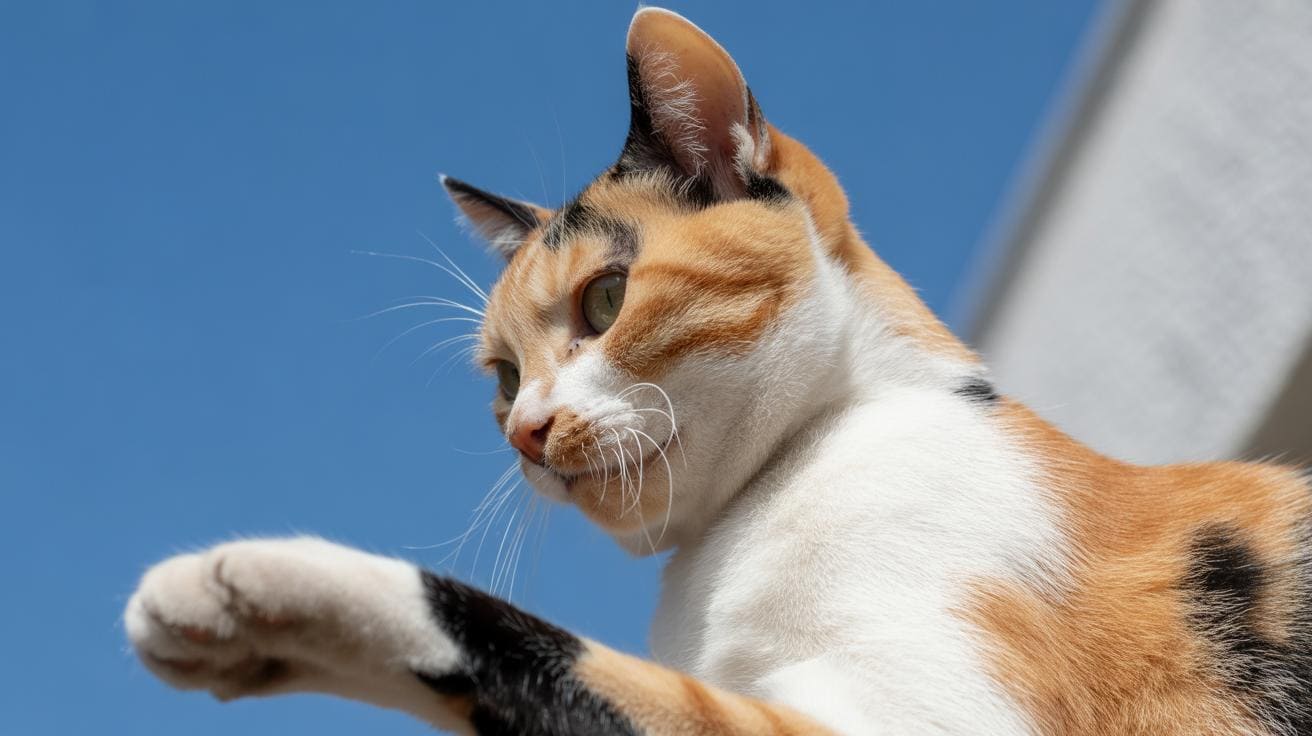
Calico coats happen when two genetic pieces team up: an orange/non-orange switch on the X chromosome and separate white-spotting genes that leave blank patches of fur. The orange switch is the O gene (the gene that tells a hair to make orange pigment or not). Pigment comes in two main types: eumelanin (dark or black pigment) and pheomelanin (red or orange pigment). Random X-inactivation, also called the Barr body effect (where one X chromosome is turned off in each cell), decides which color allele shows up in each patch. The white-spotting genes control where pigment-making cells settle on the skin, so they create the white gaps. Put it together and you get a one-of-a-kind patchwork. Ever notice no two calicos look the same? Yep.
Why mostly female
The orange/non-orange switch sits on the X chromosome. A cat with two Xs (XX) can carry both an orange allele and a non-orange allele at that spot, and early in development one X gets randomly turned off in each cell. That makes neighboring patches show different alleles, which gives the coat that patchy look. Males usually have only one X (XY), so they rarely carry both allele types. That’s why almost all calicos are female , about 99.9 percent. For breeders, this means calico patterning is not something you can easily select for like a simple dominant or recessive trait.
How male calicos occur
Male calicos happen when the usual sex-chromosome setup is unusual. If a male has an extra X (XXY, sometimes XXX), he can carry both orange and non-orange alleles and then show tri-color patches after X-inactivation, this is similar to Klinefelter’s in people. Another way is chimerism, when two embryos fuse early on and create an individual with two different cell lines. These males are rare, roughly 1 in 3,000 calicos. XXY males are often sterile and may have higher risks for some medical issues, so a vet check is a smart move if you meet one.
Mosaicism vs chimerism
Mosaicism comes from a single embryo where cells diverge genetically through things like X-inactivation or somatic mutation (a change in some body cells). This is the usual cause of calico patterns in females and generally doesn’t affect fertility because it’s part of normal development. Chimerism happens when two embryos merge early on, producing an individual with two distinct cell populations; a chimera male might carry both male and female cell lines and could be fertile depending on which gonadal tissue developed. If you want to know what’s going on, genetic testing like karyotyping (a chromosome test) or specialized DNA tests, plus a chat with your veterinarian or a geneticist, can confirm whether an atypical calico is XXY, a chimera, or another mosaic type and help guide any needed health follow-up.
Calico Coat Patterns: Variants, Dilutes, Torbie and Caliby
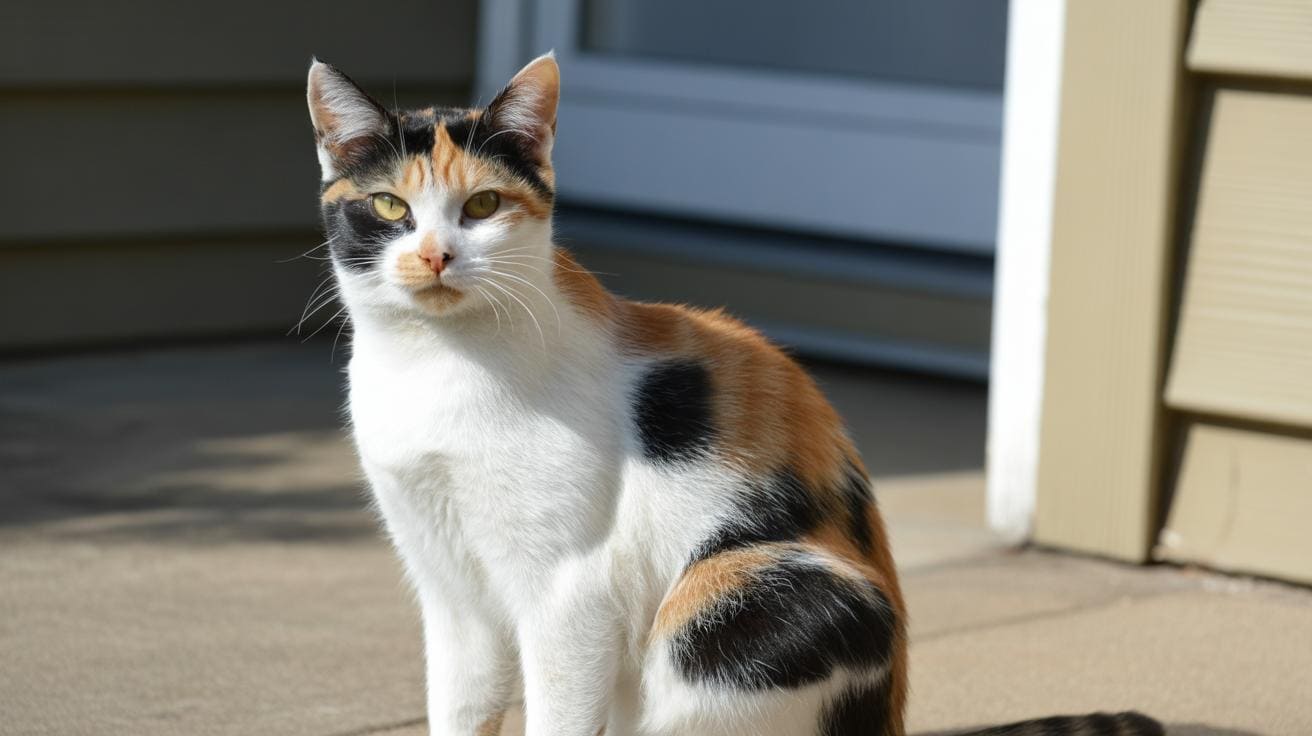
Calico cats show up in a few playful styles, and they all look like tiny watercolor paintings on fur. You’ll see bold white patches with clear black and orange, softer cream and blue mixes, mixed-up tortoiseshell blends, tabby stripes peeking through, or a full-on mashup of patches and stripes. Cute, right?
The main names you’ll hear are standard calico, dilute calico, tortoiseshell-and-white, torbie, and caliby. Dilute means a gene that lightens pigment (it turns orange to cream and black to blue-gray). Tabby means striped or swirled markings. Caliby is just a calico with tabby striping inside the colored areas. Each pattern has its own vibe, from high-contrast drama to soft, muted tones.
Genes explain most of what you see. The dilute gene reduces pigment density so colors look paler. White-spotting genes control where melanocytes (pigment-making cells) land on the skin, which makes those clear white gaps. Tabby pattern genes sit under the colors and can peek through as stripes or swirls, turning a regular calico into a torbie or caliby. Think of pigment like paint on a canvas, and genes decide how much paint gets laid down.
Quick, practical tips: dilute calicos look softer and paler than standard ones. Torbies show clear striping inside the colored patches. Tortoiseshell-and-white usually has less white and more blended color. Names can change by region, so you might hear different labels outside North America. If you’re telling a vet or a rescue about your cat, using words like “dilute,” “torbie,” or “caliby” gives a much clearer picture.
Worth every paw-print.
| Pattern | Description | Common names |
|---|---|---|
| Standard calico | Bold white patches with solid black and orange | Calico, tricolor |
| Dilute calico | Orange becomes cream and black becomes blue-gray (paler palette) | Dilute calico, blue-cream calico |
| Tortoiseshell-and-white | Blended black and orange with some white; more mottled look | Tortie-and-white |
| Torbie | Tortoiseshell colors that show tabby striping inside patches | Tortie-tabby, torbie |
| Caliby | Calico patching combined with visible tabby markings | Caliby, tabby-calico |
Calico vs Tortoiseshell: Identification Tips and Regional Terminology
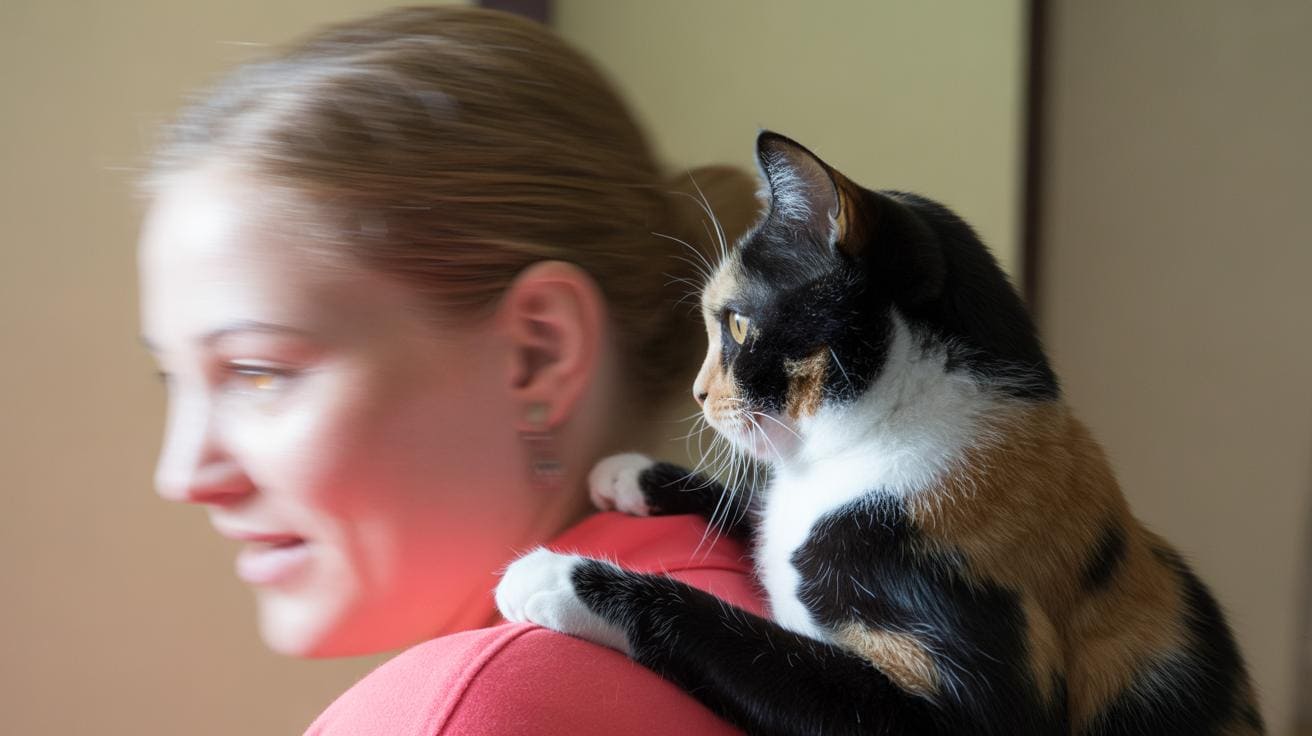
Identification tips
One-line rule of thumb – "If noticeable white breaks the coat into separate black-and-orange patches, it's a calico; if the black and orange are mostly blended with little or no white, it's a tortoiseshell."
Think of it like paint on a canvas. If you see big, separate white areas with clear black and orange patches, that’s a calico. If the colors are all smooshed together and there’s little white, that’s a tortie. Ever misread a cat from across the room? Yep, me too, oops, let me rephrase that, I still do it.
- Amount of white: lots of white usually means calico; little or none usually means tortoiseshell.
- Patch edges: sharp, well-defined patches point to calico; soft, marbled edges point to tortie.
- Tabby striping: visible stripes inside the colored areas means torbie or caliby (tabby striping is the striped pattern you see on some cats).
- Dilute colors: muted shades like cream or blue-gray (dilute colors are softer versions of orange and black) can hide contrasts and confuse identification.
- Regional terms: watch for local names like "tortie-and-white", people sometimes swap labels by region or habit.
| Pattern | Typical look | ID cues |
|---|---|---|
| Calico | Large, separate white patches with clear black and orange blocks | High amount of white; sharp patch edges; distinct color blocks |
| Tortoiseshell (tortie) | Mottled, intermingled black and orange with little or no white | Low or no white; blended, marbled colors; can be confused by dilute colors (cream and blue-gray) |
| Torbie / Caliby | Mix of tortie coloring with visible tabby striping | Tabby striping inside colored areas (striped pattern) plus mottling |
| Dilute variants | Softened colors (cream and blue-gray) that reduce contrast | Dilute colors can hide the calico vs tortie distinction; look closely for subtle patches or stripes |
Breeds That Commonly Show Calico Patterns

Calico coloring shows up in lots of different breeds because it comes from color genes (tiny instructions in DNA), not from a breed itself. That means you can find calicos in shelters and fancy pedigrees alike, the same patchwork rule but on different body shapes and coat lengths. Ever seen that spilled-paint look on a long, fluffy tail? Cute, right.
- Domestic Shorthair / Domestic Longhair , super common; mixed-breed cats and shelter rescues often wear calico coats, in short or long fur.
- Japanese Bobtail , a classic calico in Japan, where the tri-color look is part of its charm and cultural image.
- Persian , longhaired calicos pop up often; show classes may even ask for specific white placement on face, chest, and feet.
- Maine Coon , big, rugged cats with tufted ears that often show bold calico patches on a large frame.
- Norwegian Forest , thick, water-shedding coat (great for cold weather) where calico patterns can look extra dramatic in winter fur.
- Turkish Van / Turkish Angora , mostly white breeds that sometimes carry striking colored patches.
- British Shorthair , stocky, plush-coated cats that turn up in calico colorations.
- Cornish Rex , sleek, curly-coated bodies that occasionally sport tri-color patterns.
- Devon Rex , another curly breed, usually lithe and playful, where calico coloring can appear.
Calico is usually linked to the X-chromosome (the female sex chromosome) because of X-chromosome inactivation (when one of the two X chromosomes in females gets switched off in different cells), so most calicos are female. If you’re thinking about showing a calico, check the breed’s registry rules for color placement first, since standards can vary by organization and breed. Worth every paw-print.