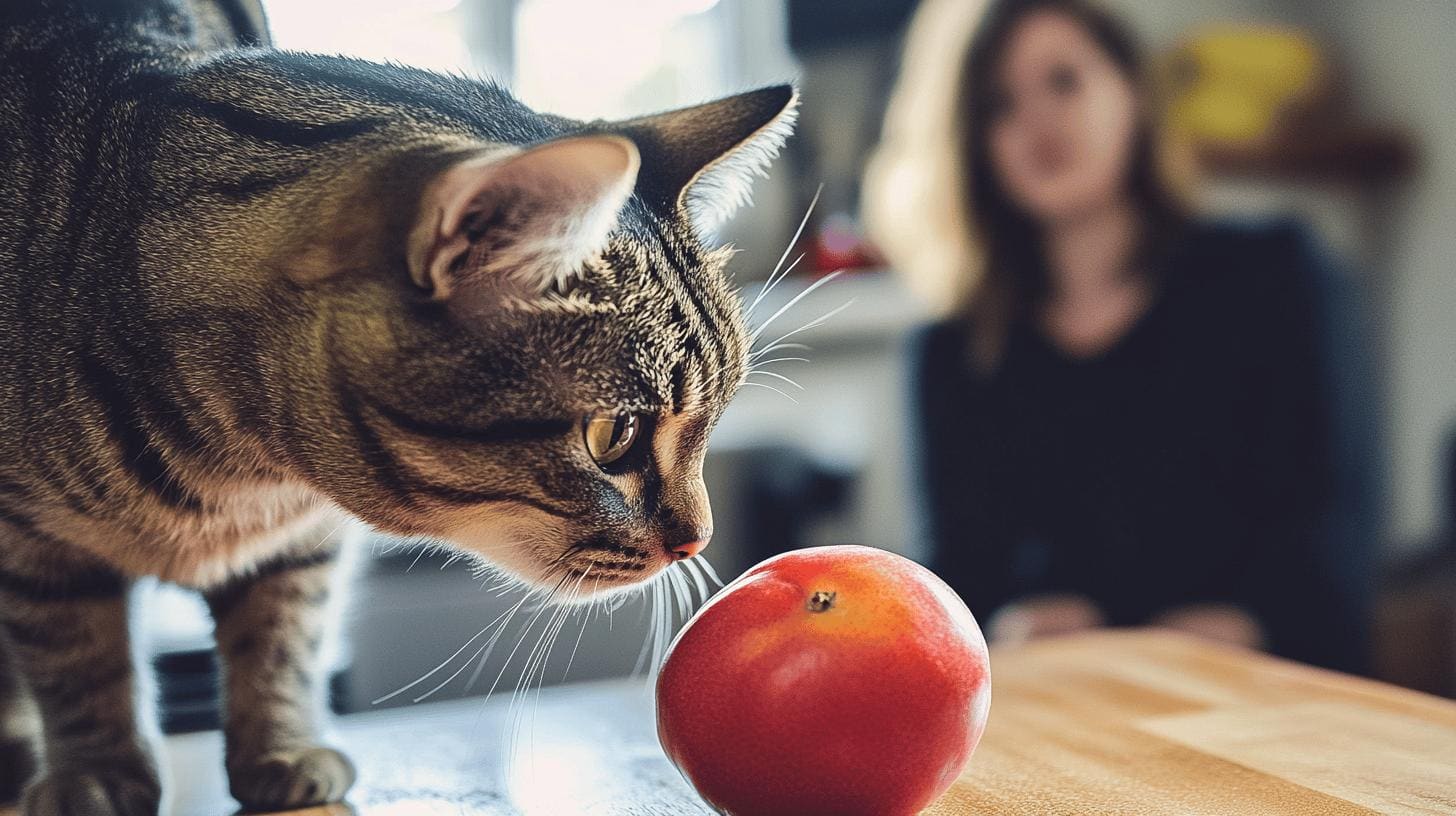
Are nectarines a sweet treat your cat can safely enjoy? While cats can eat nectarines, there are important precautions to take before sharing this fruit with your furry friend. Nectarines have pits, leaves, and stems that could be dangerous if ingested, so understanding how to prepare them properly is key.
In this post, we’ll break down everything you need to know about feeding nectarines to your cat safely, ensuring they enjoy these occasional bites without any health risks. Let's explore how to keep your cat both safe and satisfied.
Can Cats Eat Nectarines? Understanding Nectarine Safety for Cats
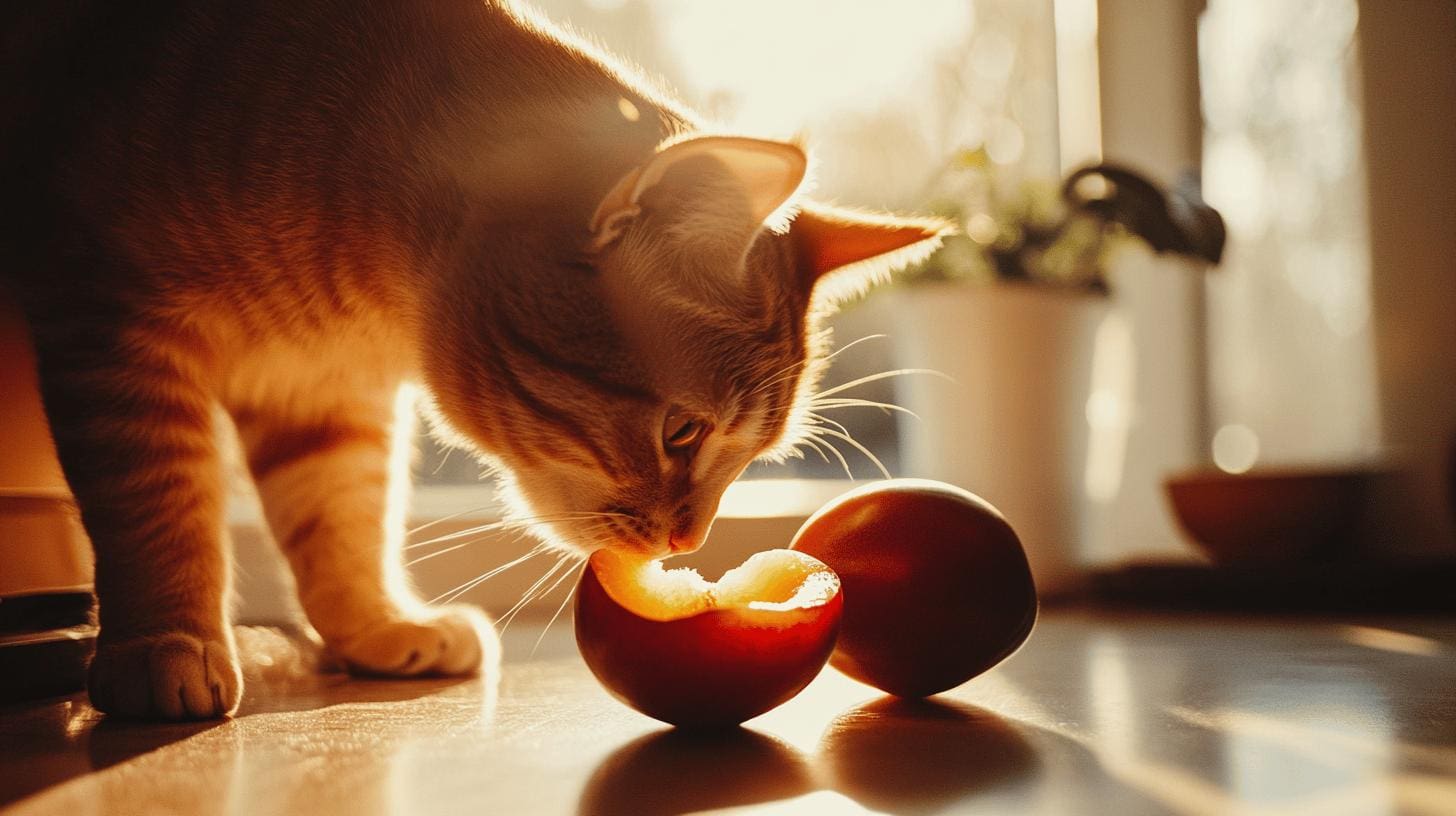
Cats can eat nectarines without experiencing major health problems, but safety precautions are a must. The main concern lies with the pits, leaves, and stems of the fruit, which contain amygdalin, a compound that releases cyanide. To keep your feline friend safe, always remove the pit and any other non-flesh parts before offering nectarines. Feeding only the flesh in small amounts is recommended. A fingertip-sized piece every week or two should suffice as a safe treat.
Monitoring your cat for any adverse reactions is crucial when introducing nectarines into their diet. Keep an eye out for signs like vomiting or diarrhea, which could indicate a problem. If you notice any unusual behavior or symptoms, consult your veterinarian right away. It's always a good idea to discuss any new additions to your cat's diet with a vet, ensuring you’re keeping your furry companion healthy and happy.
Nutritional Benefits and Potential Risks of Nectarines for Cats
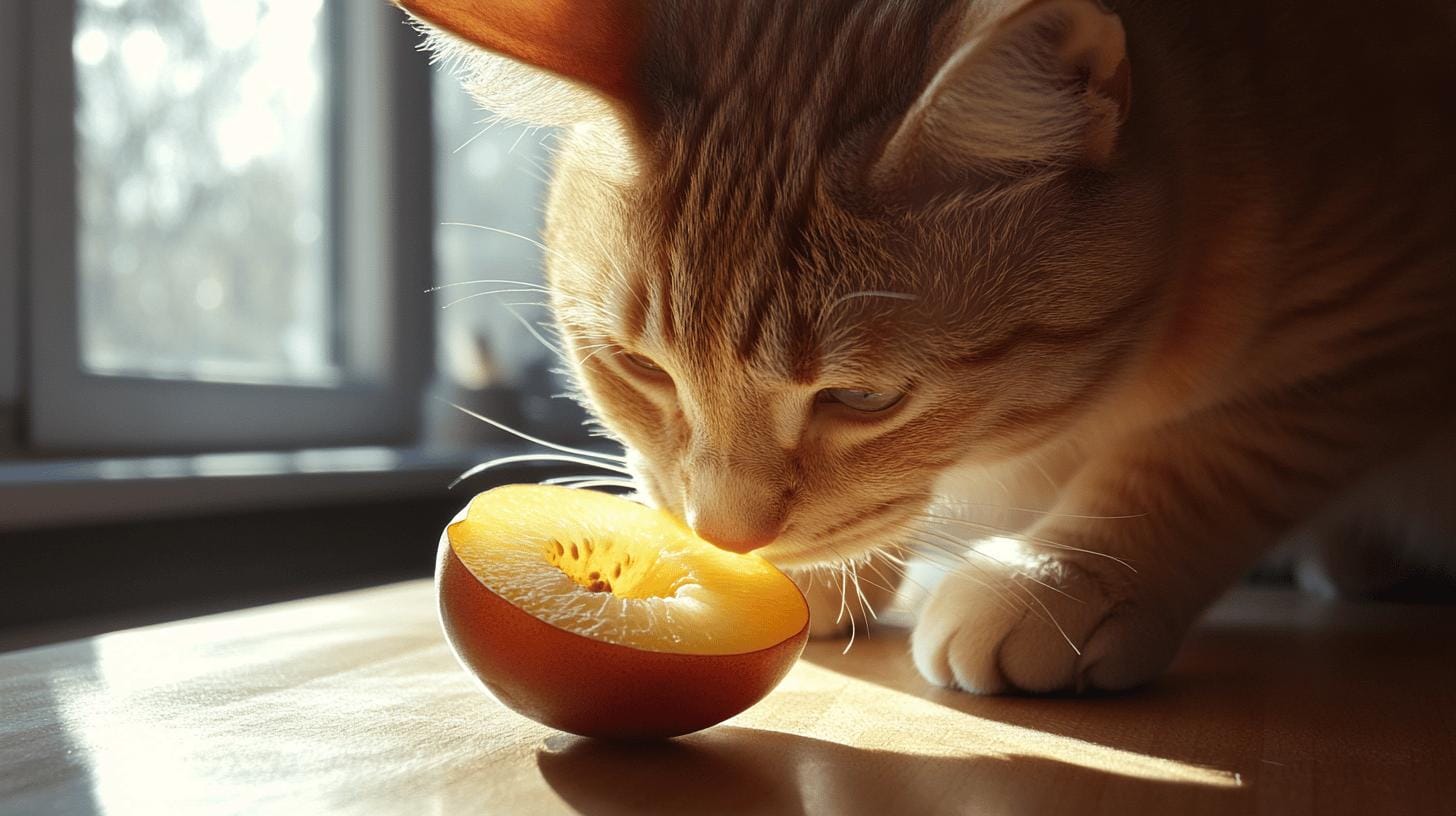
Nectarines offer some nutritional perks for our feline pals. They're packed with vitamins A and C, which can help boost a cat's immune system and keep their skin and vision in check. These fruits also provide hydration, crucial for kidney health and overall well-being, especially for cats that don't drink much water. Even with these benefits, remember that cats thrive on a meat-based diet for their primary nutrition.
- Digestive issues: Too much can cause diarrhea or an upset stomach.
- Choking hazards: The pits pose serious risks.
- Cyanide exposure: Pits, leaves, and stems release cyanide.
- Allergic reactions: Some cats might itch or swell.
- Sugar content: Excessive sugar could lead to obesity or diabetes.
Moderation is the name of the game when feeding nectarines. A fingertip-sized piece of nectarine flesh once every week or two is generally safe. This small portion lets them enjoy a tasty treat without the risks of larger amounts. Always take out the pit and any other non-edible parts before serving. This keeps their diet balanced and centered on essential animal protein.
Alternatives and Precautions When Feeding Fruits to Cats
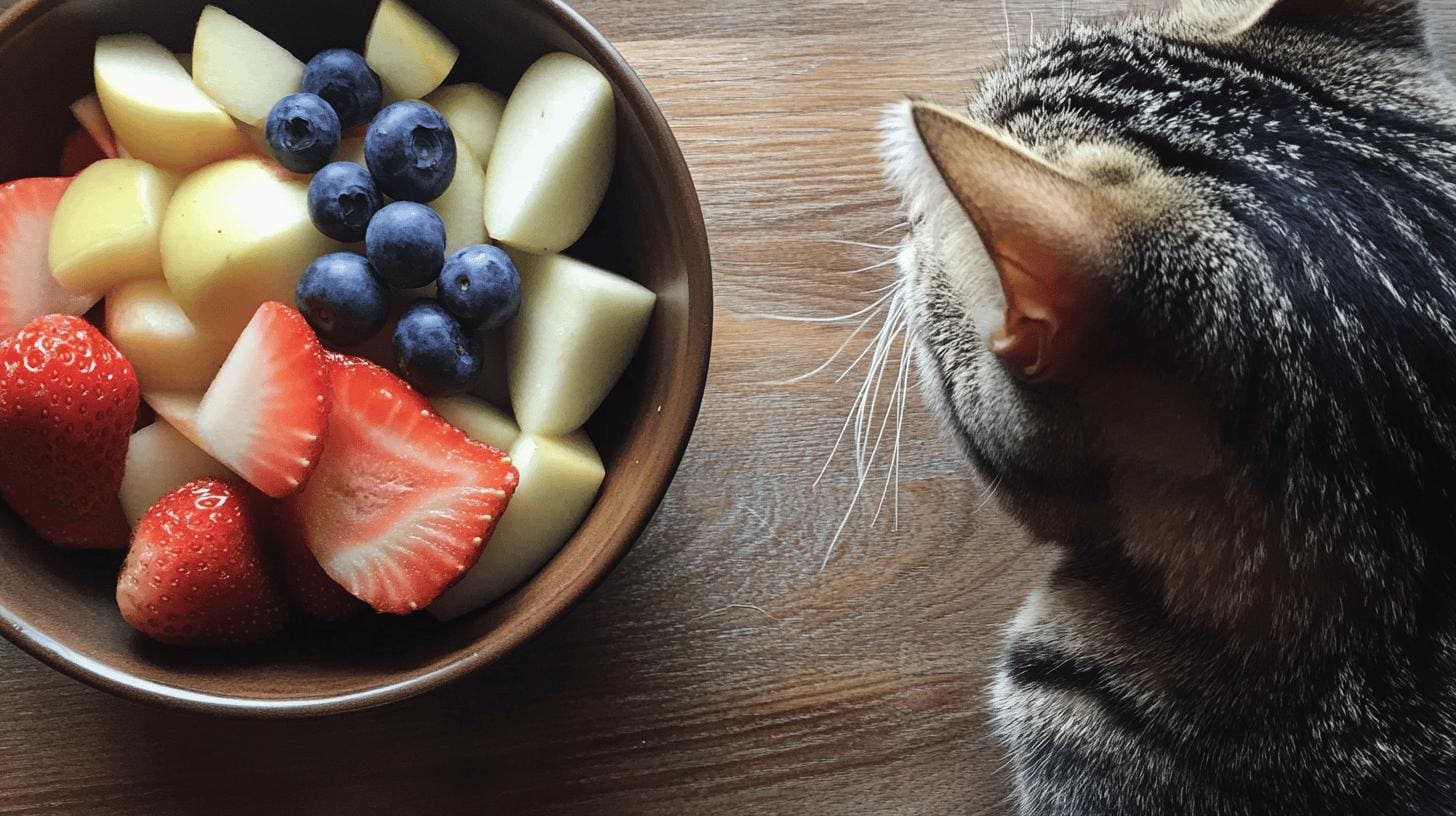
While nectarines can be a safe treat in moderation, there are other fruits that cats might enjoy. Safe fruits for cats include small amounts of blueberries, which are low in sugar and rich in antioxidants, and watermelon, which provides hydration and vitamins.
Apples, sans seeds and core, can also be a crunchy treat. Bananas, with their soft texture, offer potassium and are generally well-tolerated by felines. Always ensure that these fruits are given in small amounts and cut into bite-sized pieces to minimize any choking hazards.
When choosing fruits for your cat, it's crucial to know which ones to avoid:
- Cherries: These contain high levels of cyanide, especially in the pits, and are toxic to cats.
- Plums: Similar to cherries, the pits, stems, and leaves are dangerous due to cyanide content.
- Grapes and raisins: Known to cause kidney failure in some pets, it's best to skip these altogether.
- Citrus fruits: Oranges, lemons, and limes can upset your cat's stomach and cause discomfort.
For those looking to expand their pet's palate beyond fruits, consider alternative treats like cooked chicken or turkey, small pieces of cheese, or commercial cat treats designed for feline nutrition. Always introduce new foods slowly and observe your cat for any signs of intolerance, such as vomiting or changes in stool. Consulting with a veterinarian can help tailor these treats to your cat’s dietary needs, ensuring they remain safe and healthy.