Ever watched your kitty’s tail swish like a dancer’s ribbon? You might think it’s just fluff and flair. But vets say it’s made of 18 to 23 tiny bones called caudal vertebrae (little tail bones), plus muscles, ligaments, nerves and blood vessels. That mix is why every flick feels so smooth.
Next, I’m sharing five vet-approved answers to your biggest tail bone questions. We’ll explore what those bones really do, how they help your cat whip her tail with grace and when it’s time to call the vet if something feels off. Ready to feel feline fine about all that tail action? Let’s dive in!
Confirming Bones in Cat Tails: Quick Overview
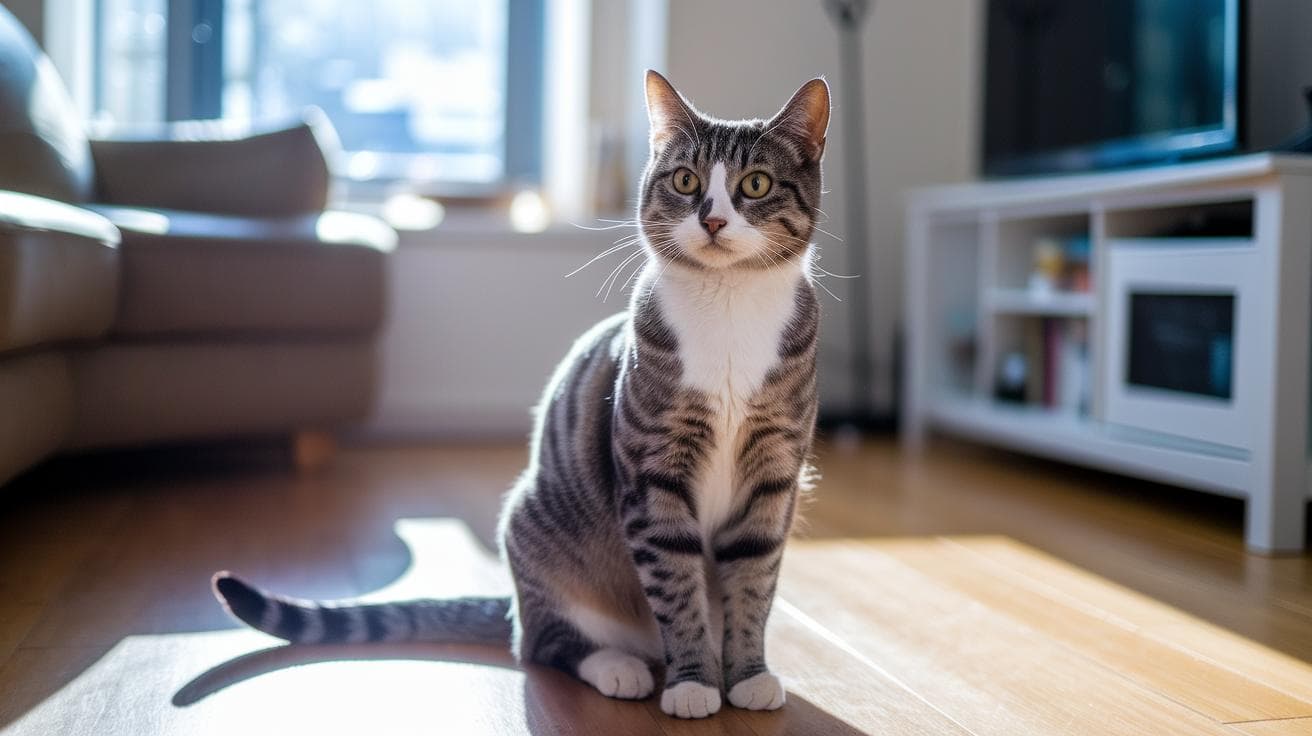
Let’s tackle the big question: do cat tails have bones? Yep. Your kitty’s tail is just an extension of her spine, built from 18 to 23 tail bones (caudal vertebrae – the small bones at the end of the spine). That makes up almost 10% of her skeleton.
Those tiny bones don’t float alone, you know. They’re wrapped in muscles (for movement), tendons and ligaments (the stretchy tissues that hold bones and muscles together), blood vessels (for fuel), nerves (for feeling) and a layer of skin. You ever watch your cat’s tail flick like a whip? That silky smooth motion is all those parts dancing together.
The spinal cord actually stops near the fifth lumbar vertebra (one of the lower-back bones) and doesn’t run down the tail. So if Fluffy takes a tumble or gets her tail caught, she probably won’t go fully limp. Nerve damage can still happen and it hurts. Still, total paralysis is pretty rare.
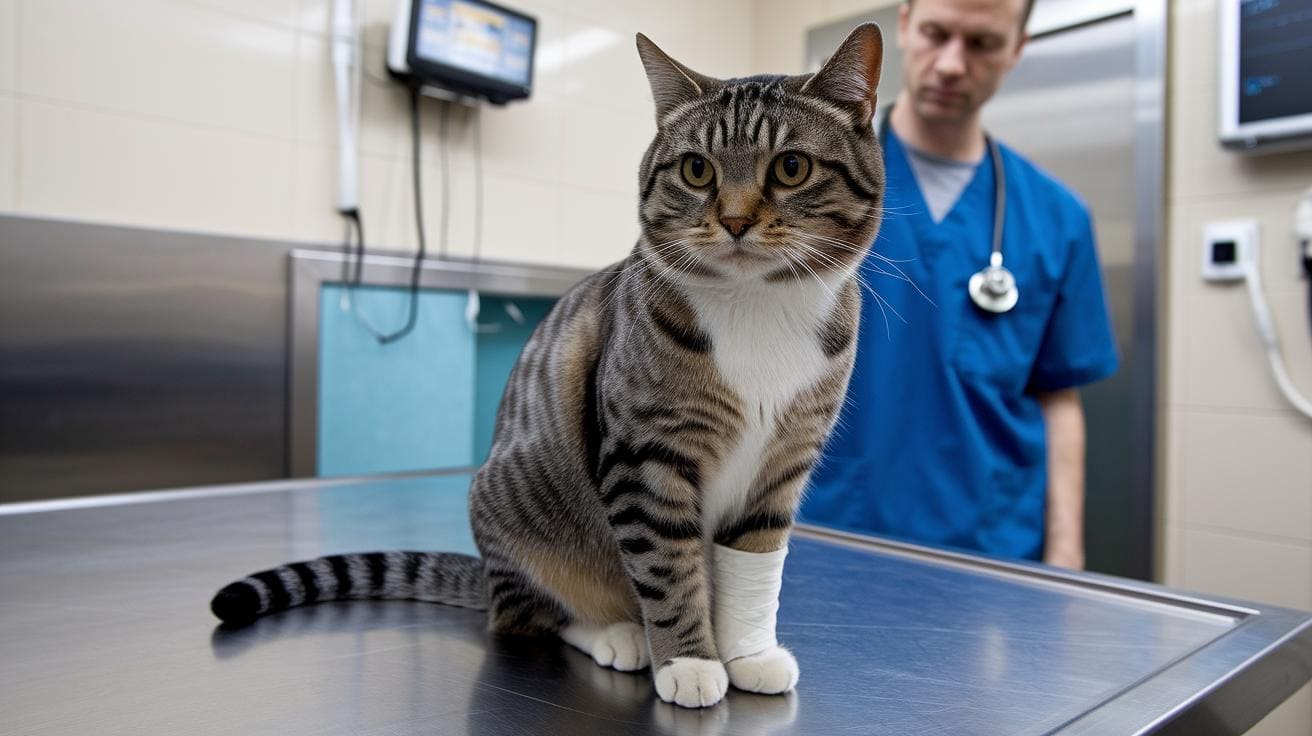
After any mishap, give your cat gentle pats and keep an eye out for yelps or swelling. Those are little red flags that it’s time for a vet visit. Better safe than sorry, paws down.
Detailed Feline Tail Bone Anatomy and Vertebrae Count
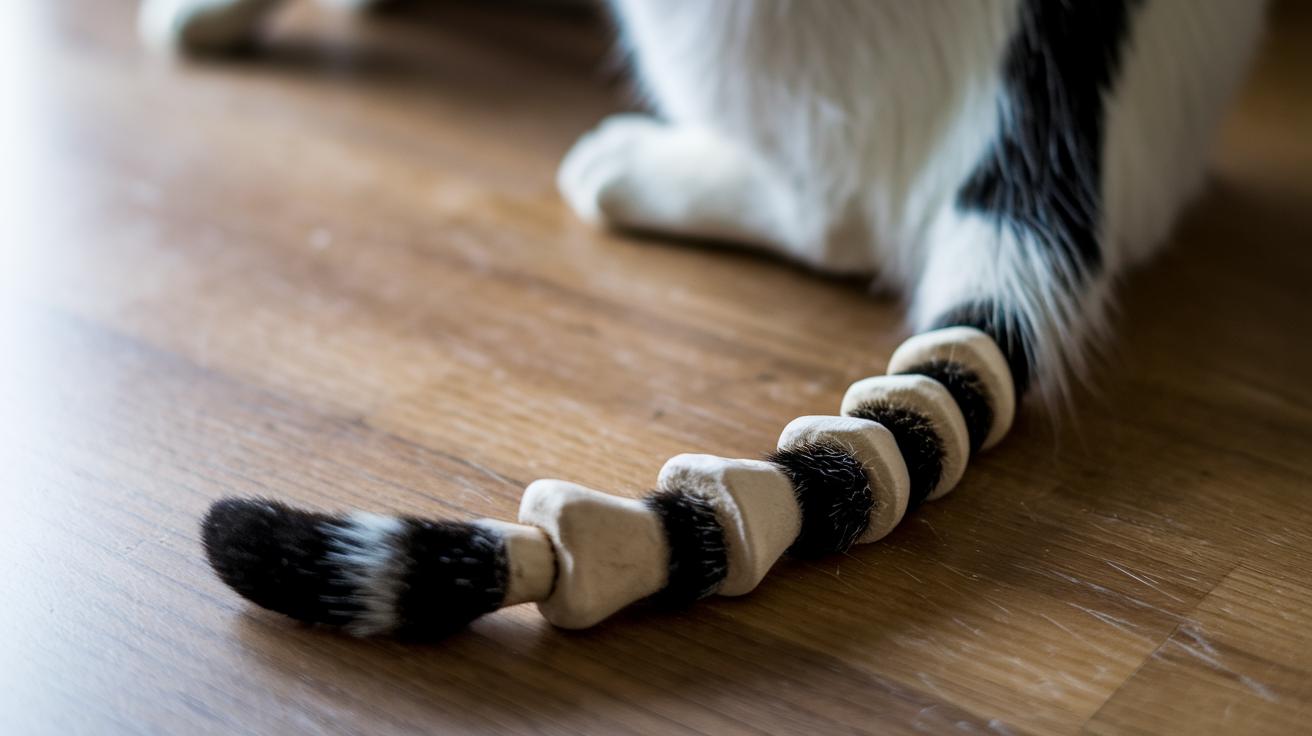
A cat’s tail is really part of her spine. It’s made of 18 to 23 tiny bones called caudal vertebrae (little tail bones).
These bones let your kitty curl and flick her tail with perfect grace. Ever watched a cat chat with her tail? It’s like a soft poem in motion.
The exact number can change by breed or by cat. Long-tailed breeds often have around 23 bones. Shorter-tailed kitties might only have 18.
| Region of Tail | # of Vertebrae | Relative Size |
|---|---|---|
| Base | 5-7 | Largest |
| Middle | 8-10 | Medium |
| Tip | 5-6 | Smallest |
The bone sizes match their jobs. The big ones at the base anchor strong muscles for those hearty swishes. Medium bones in the middle help your cat swing and scoop. Tiny tip bones give her the power to flick with pinpoint precision.
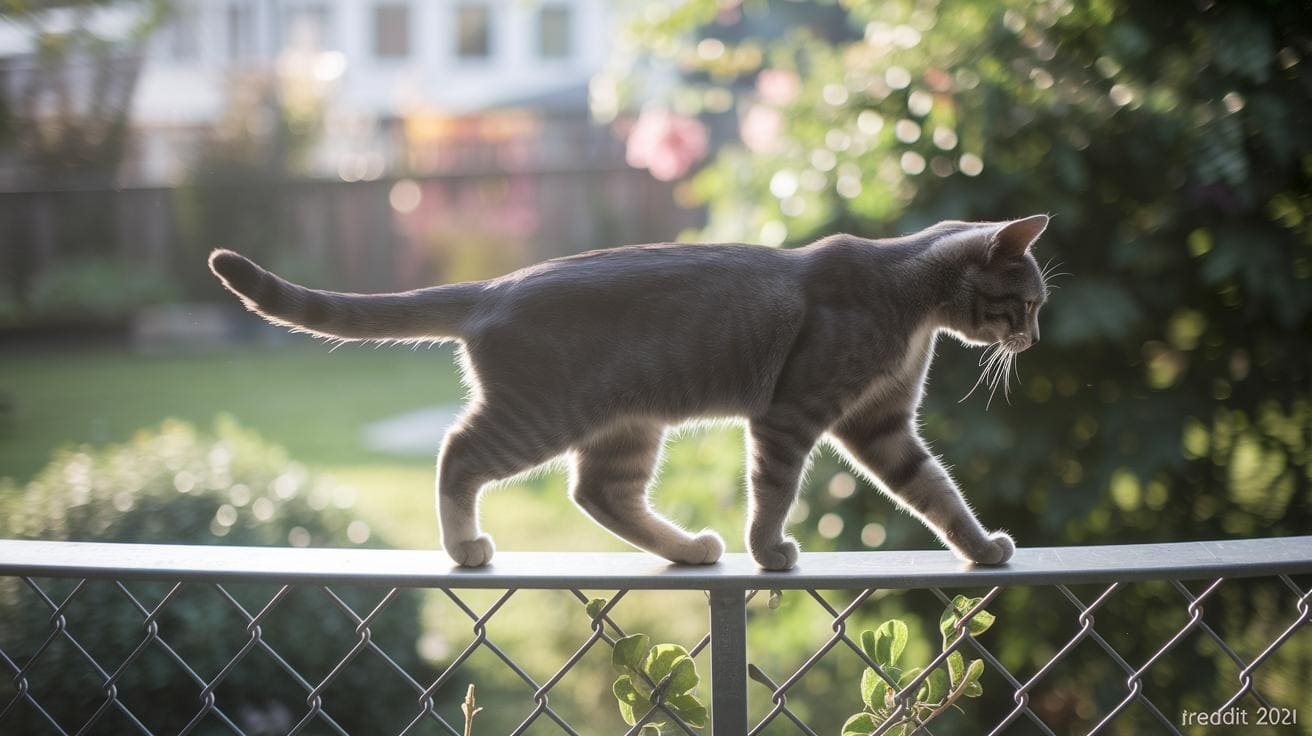
Soft intervertebral discs (cushioning pads between bones) fit between each vertebra. They act like little shock absorbers, making every tail move feel smooth. Next time your kitty swishes her tail across your lap or balances on a narrow fence, you’ll know exactly how that magic happens.
Tissues Surrounding Cat Tail Bones: Muscles, Nerves, and More
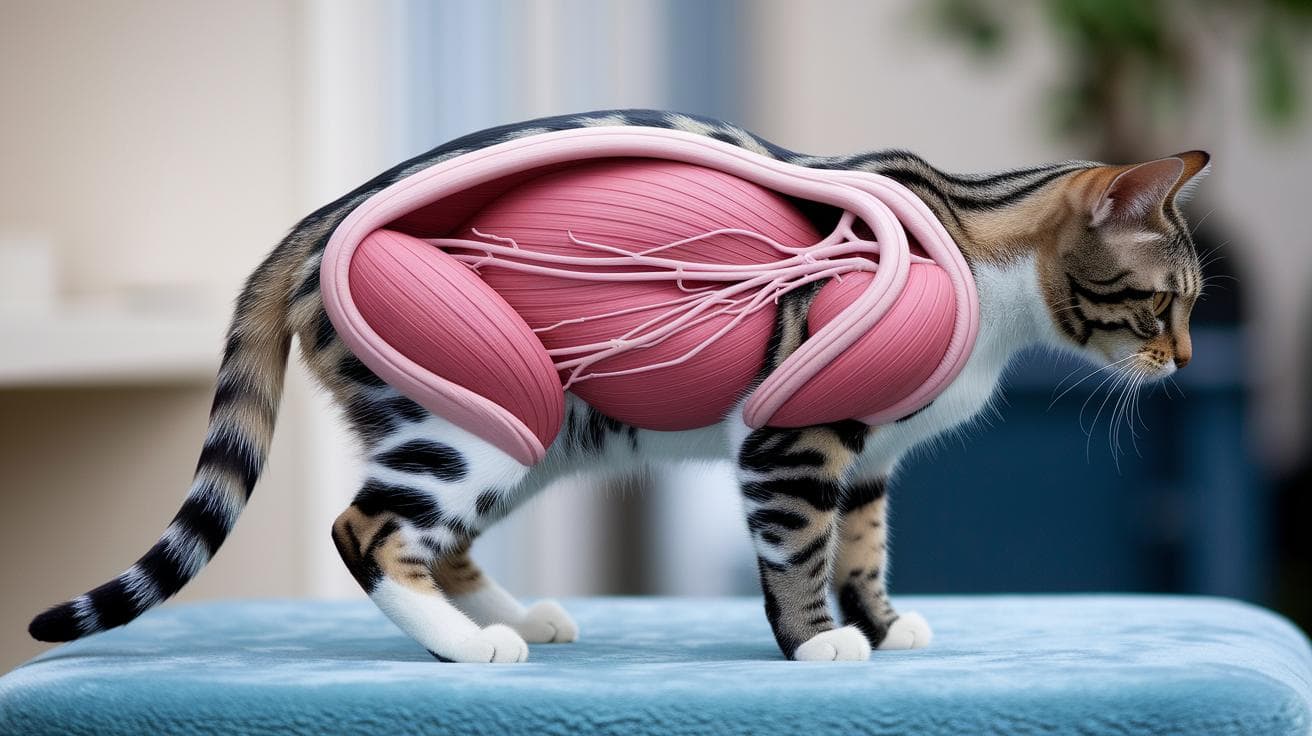
Ever watched your kitty flick her tail like a paintbrush? Oops, let me rephrase that. The tail is more than a string of tiny bones. It’s stuffed with tissues that let her balance, swish, and even text you in cat code.
-
Muscles (bundles of fibers that contract)
These tiny rope-like fibers pull each vertebra to lift, curl, or whip the tail. It’s like your cat’s own bouncing ribbon for play and balance. -
Tendons (cords linking muscle to bone)
Think of tendons as tough cables that pass muscle power straight into motion. They let her snap that tail tip with laser-sharp precision. -
Ligaments (bands holding bones together)
Ligaments are stretchy straps that keep the bones lined up but still let the tail bend. They stop joints from popping out when your cat goes tail-whip wild. -
Blood vessels (veins and arteries)
A network of tiny tubes delivers oxygen and nutrients to every bit of tail. It’s the fuel line that keeps muscles, nerves, and skin happy. -
Nerves (bundles carrying signals)
Nerves are like message highways between the tail and brain. They let your cat know exactly where her tail is and what it’s doing. -
Skin and subcutaneous tissue (outer covering and tissue under the skin)
That soft fur and underlayer guard everything inside and feel each brush or tickle. Every pet feels like a mini tail massage.
Worth every twitch.