Facts about Tortoiseshell Cats: Genetics and Care

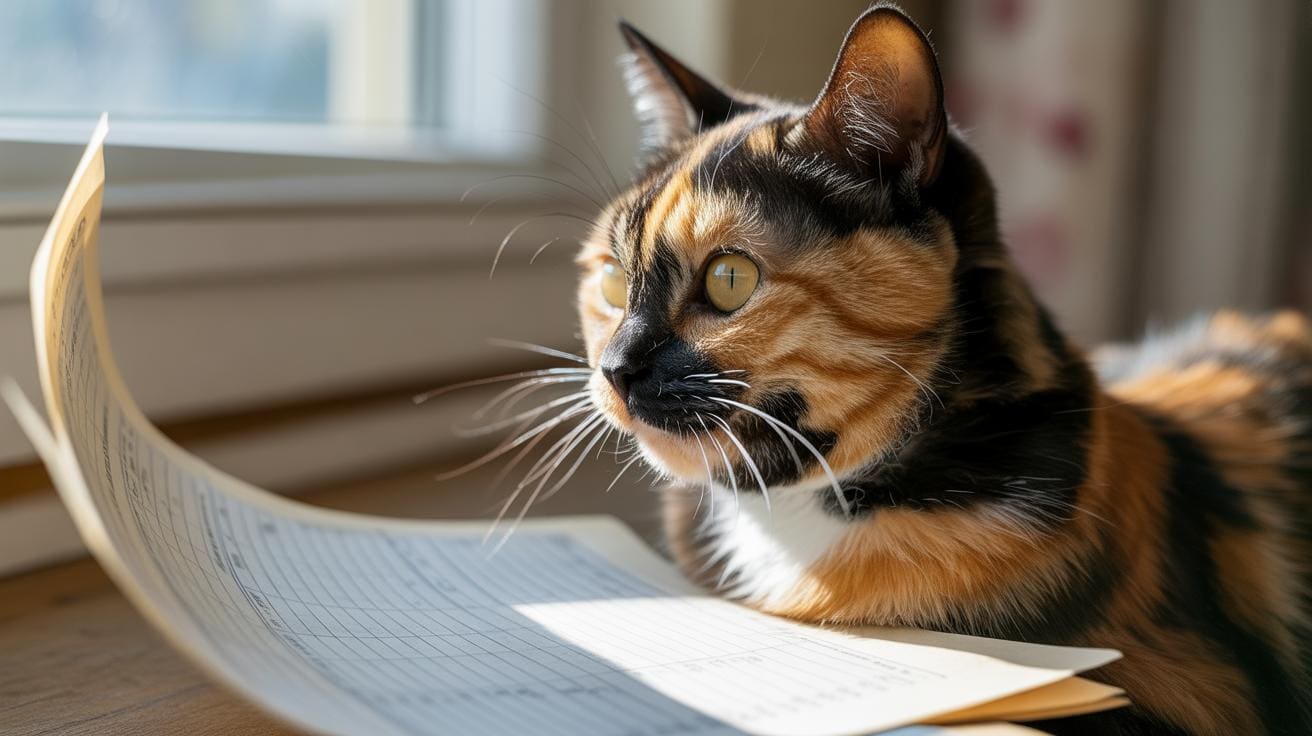
Think tortoiseshell cats are moody because of their colors? Cute story, but the real reason is chromosomes, not attitude. Your tortie will still plot world domination while looking adorable.

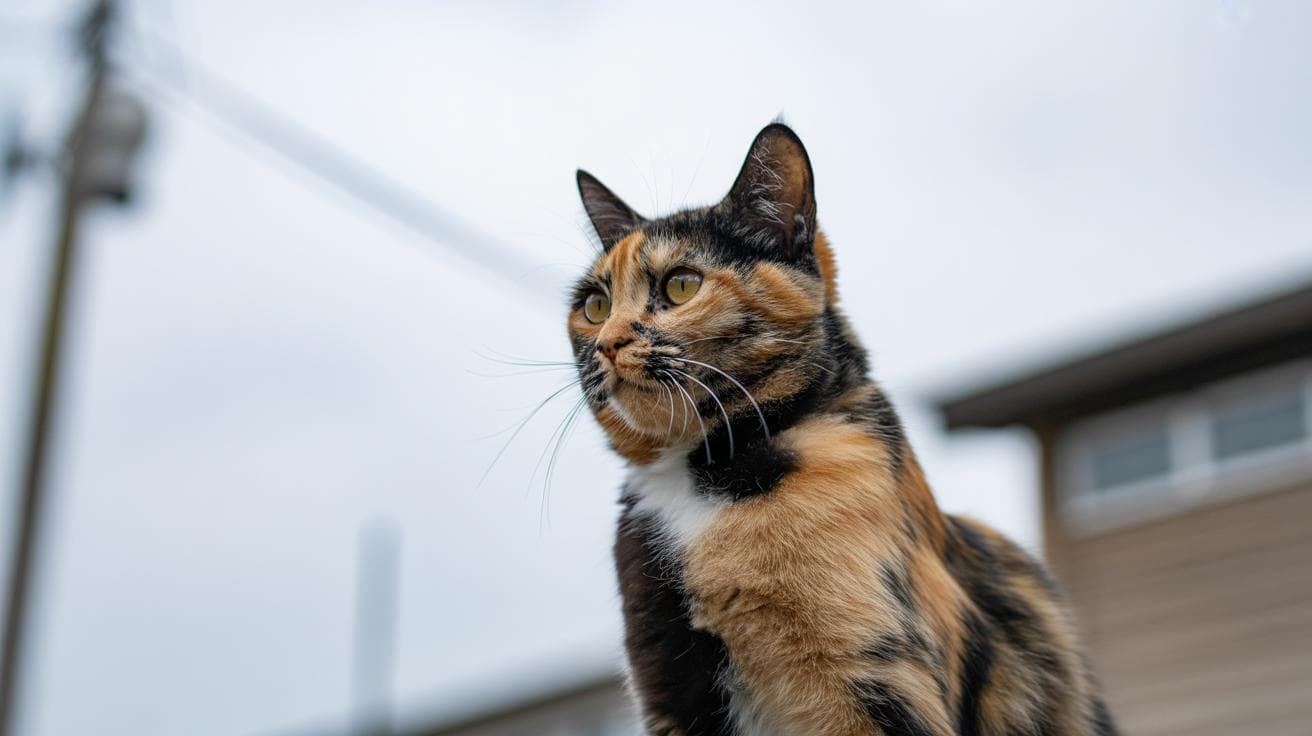
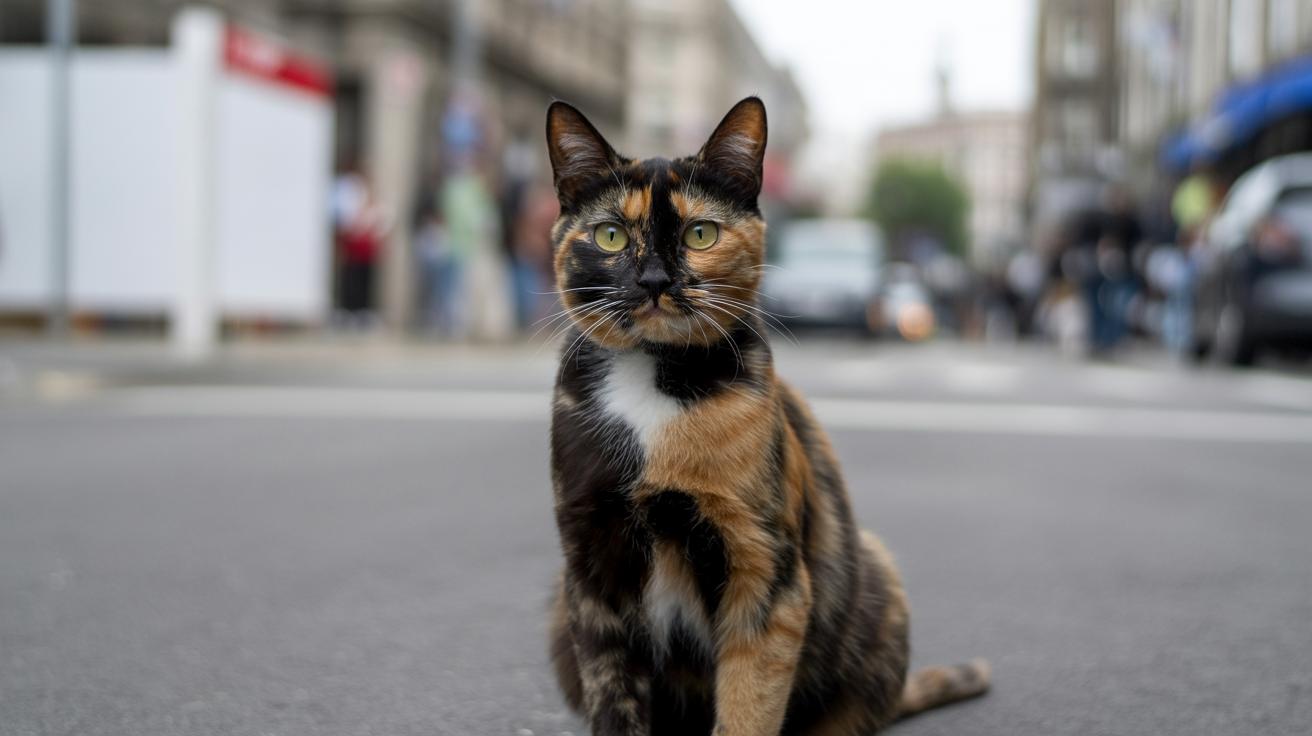
Tortoiseshell is a coat pattern (a color layout, not a breed). It happens when color genes on the X chromosome (the sex DNA carrier) create patchy black-and-ginger fur. Most torties are female because females usually have two X chromosomes and can show both colors. Male tortoiseshells are rare, about 1 in 3,000, and usually happen when a male has an extra X (XXY, a genetic anomaly) or when two embryos fuse to make a chimera (two embryos merged into one cat).

So care for a tortie is just good cat care, not mood management. Give her scratching posts, nail trims, and a teaser wand like a fishing rod for cats (light stick plus feathers) so she can burn energy, the satisfying thud of a bouncing ball does wonders. Keep up with regular vet checks, offer quiet spots and interactive play, and you’ll get a purring, playful roommate who just happens to be outrageously patterned.

Worth every paw-print.

At-a-glance: quick facts and where to read more
- At-a-glance quick facts and where to read more.jpg

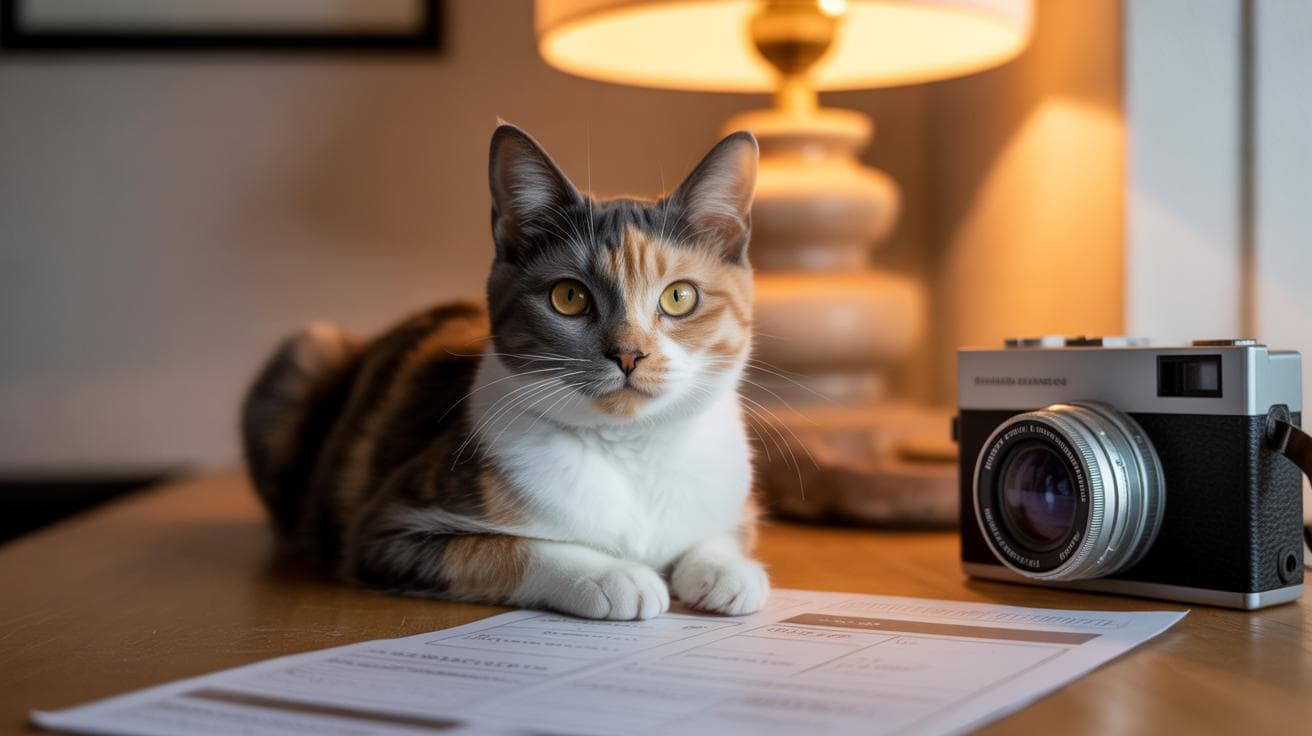
Tortoiseshell is a coat pattern (a color layout, not a breed) made of black and red/ginger patches. You’ll spot it in lots of breeds (examples below). It’s overwhelmingly female , male torties are rare, about 1 in 3,000.

Click any link to dive deeper for full explanations, sources, breed examples, and practical care steps. Worth a quick read if you love torties.

Tortoiseshell cats genetics explained

Tortoiseshell coloring comes from genes on the X chromosome (the sex chromosome). The orange and black pigment alleles are X-linked (alleles are just different versions of a gene), so which X shows up in each skin cell shapes the coat you see.

The big trick is X-inactivation (when one X chromosome is randomly switched off in each cell during early embryo development). That random shut-off makes patches of cells show the orange allele or the black allele, so the fur becomes a marbled mix of colors. If the silencing happens early you get big blocks of color. If it happens later you get a finer, brindled look, like someone splashed paint across a kitten.

Kittens get one X from their mother and either an X or a Y from their father. So female kittens end up with two Xs and can carry both orange and black alleles, and X-inactivation lets both colors appear in different patches. That’s why tortoiseshells are almost always female. Ever watch a tortie chase a laser? Cute chaos.

Statistically, tortoiseshell cats are about 99.96% female. Male tortoiseshells are rare, around one in 3,000, and most of those males have an extra X chromosome (XXY, called Klinefelter syndrome, extra X). Those XXY males are usually sterile and often face more health problems than typical females, and they may have shorter lifespans.

Most tortoiseshell patterns come from mosaicism (X-inactivation creating two cell lines). Chimera is another, much rarer cause, when two embryos fuse very early on, making a cat with two different genetic cell lines; that often gives a sharp split in color down the face or body. In short, mosaicism explains most torties, chimera is rare, and XXY males are uncommon and medically special. Worth every paw-print.

Tortoiseshell cats: patterns, color variants, and how to identify them
H3 IDs to create on the page).jpg

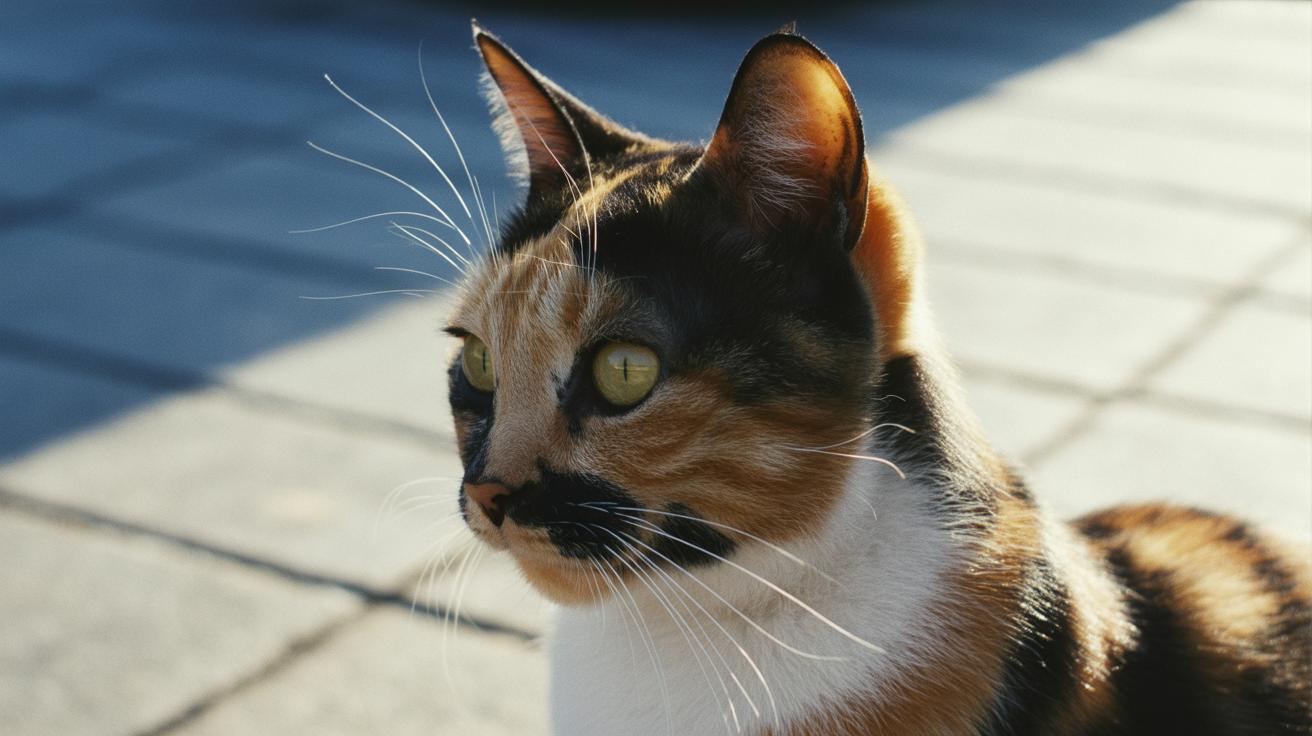
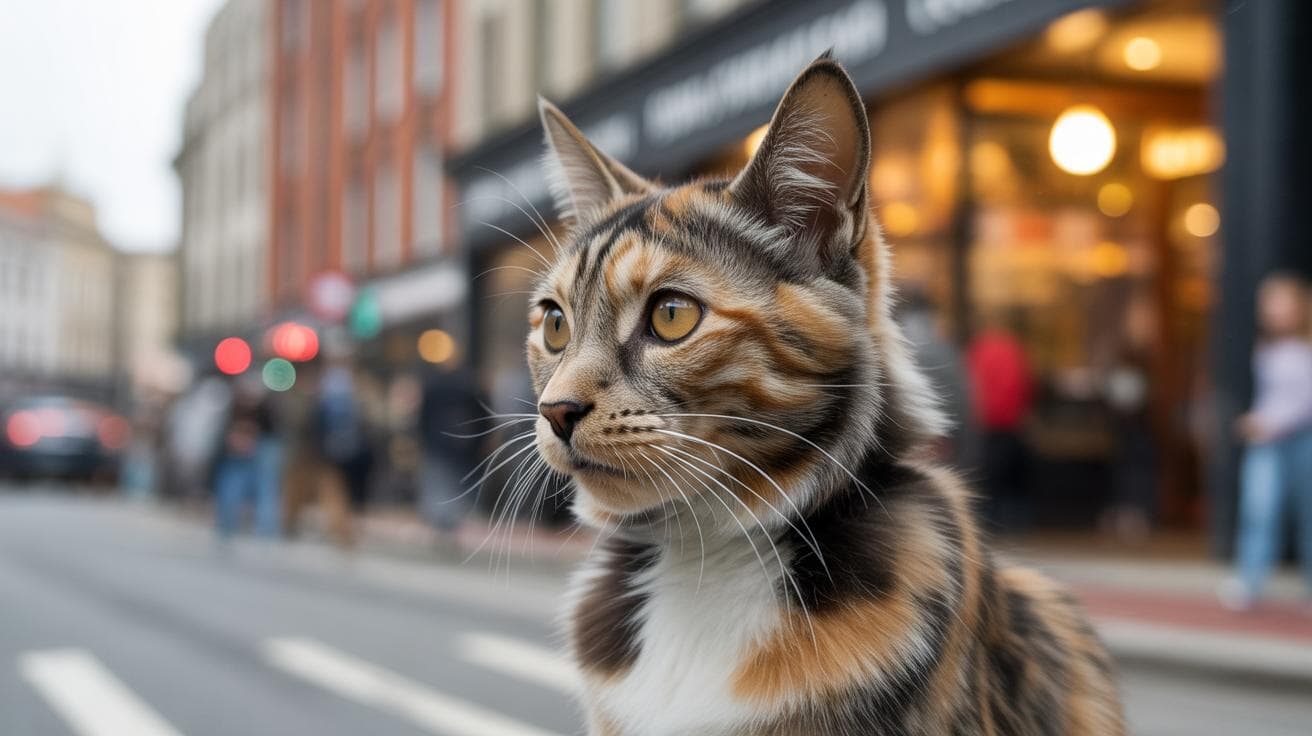
Tortoiseshell shows up a few different ways on a cat’s coat: brindled (colors woven together like paint gently stirred), patched (big, bold blocks of color), torbie (tortoiseshell mixed with tabby stripes), chimera (a very sharp split of colors), and tortiepoint (color piled on the ears, face, paws, and tail like a Siamese-style pattern). Kittens don’t always look the same as adults, since their fur fills in and X-inactivation (when one of the two X chromosomes in each cell turns off randomly) decides how the colors settle. So early photos can be misleading.

Brindled coats make you think of soft marbling or paint mixed on a brush. Patched coats are obvious blocks of color. The moment X-inactivation happens during development affects whether a cat ends up with big patches or tiny, freckled mottling. Torbies and chimera patterns often give strong visual clues you can use to spot a tortie without grabbing a genetics test right away.

Dilute tortoiseshells show blue and cream or gray and cream shades (dilute means the pigments are lighter). Tortiepoint or colorpoint tortoiseshells have darker points on the ears, face, paws, and tail, like Siamese cats (Siamese-style point = darker extremities). Colors can shift as kittens grow, orange can fade to cream, black can soften to gray, so pictures taken at a few months old are usually the most helpful.

Torbie identification

A torbie mixes tortie colors with clear tabby stripes. Look for stripes on the legs and a striped M on the forehead as quick photo cues. Ever noticed how a torbie’s movement makes the colors ripple? That’s a giveaway.

Chimera vs mosaic

Chimera means two embryos fused early on, and it often creates a dramatic left-versus-right color split (think one side bold, the other side different). Mosaic is the result of X-inactivation (random patchy coloring across cells), giving a more random marbled look across the whole body. Chimera looks deliberate. Mosaic looks like natural confetti.

Dilute and colorpoint tortoiseshells

Dilute torties are rarer and have soft gray or blue tones next to pale cream. Tortiepoint cats show darker points on their extremities and can look like a tortie wearing a Siamese mask. Both types can be subtle in photos, so watch for those gentle gray tones or darker ears and paws to spot them.

Worth remembering: look for the pattern, pay attention to how a kitten’s colors change, and if you’re guessing from a photo, give it a few months. You’ll get better at spotting the subtle, claw-tastic differences.

Tortitude: temperament and behavior of tortoiseshell cats
- Tortoiseshell cats genetics explained.jpg

Tortitude is the fun name people give the feisty, sassy attitude many tortoiseshell cats show. Think bold confidence, a little spunk, and a whole lot of charm. Fans call it tortitude because these cats seem to have their own rules, and you kind of love them for it.

Torties are often described as strong-willed, chatty, high-energy, and weirdly loyal. One minute they’re doing their own thing, the next they’re demanding cuddles. Ever watched a tortie stalk a sunbeam like it owes them money? Your cat’s whiskers twitch, their paws creep forward, and you know something silly and serious is about to happen.

That said, science doesn’t give us a neat coat-color to behavior rule. Veterinary studies show lots of individual differences, so breed, early socialization (early exposure to people and situations), and life experience shape personality more than fur pattern alone. Owner stories are real and useful, but they don’t make a universal law.

For everyday care, match activity to their energy. Aim for a few short interactive play sessions daily, 10 to 15 minutes each, and rotate sturdy toys to keep things interesting. Watch for bonding signs like following you, head bunting, or intense play to see how attached they are. At shelters, check play drive, handling comfort, and how much they vocalize around people; if you’re trying one out for adoption, give a quick play trial and a quiet lap moment to meet the real cat. Worth every paw-print.
Health and lifespan facts for tortoiseshell cats

- Tortoiseshell cats patterns, color variants, and how to identify them.jpg

Lifespan depends on breed and care. American Shorthair (a sturdy, short-haired breed) often live about 15 to 20 years. Maine Coon (a big, long-haired breed) averages around 13 years. Female tortoiseshells usually live longer than the rare male torties.

Most male tortoiseshells are XXY (extra X chromosome, a chromosomal difference sometimes called Klinefelter). That means they’re often sterile (can’t have kittens), may face more health issues, and can have shorter lifespans than XX females. It’s uncommon, but worth knowing if your cat’s coloring surprises you.

Keeping a tortie healthy is mostly about consistent care. Schedule routine vet exams at least once a year, and more often for senior cats. Don’t skip dental checks and cleanings , teeth problems can make a cat stop eating and cause infections. Parasite prevention (monthly meds to stop fleas, ticks, and worms) helps keep them comfy and infection-free.

Watch weight and body condition, and keep an eye on mobility as they age. If you notice stiffness, ask your vet about joint supplements like glucosamine (a joint-support supplement). Genetic testing (a simple DNA lab test) can confirm an XXY pattern, but you only need it if your vet sees a reason.

Breed matters for what screenings are helpful, so talk with your vet about breed-specific tests and vaccines. If you adopt from a shelter, ask for medical history and any past screening results. Small, steady habits , regular exams, a sensible diet, daily play for activity, and dental care , really add up to more healthy years. Worth every paw-print.

Health Issue Why it matters Recommended action
XXY males – sterility and extra risks Often sterile (can’t reproduce) and may have more health problems Consider genetic testing (DNA lab test) and thorough vet screening
Dental disease Pain, trouble eating, and risk of infection Regular dental exams and professional cleanings
Weight and obesity Raises risk of diabetes and puts strain on joints Control portions, pick a balanced diet, and encourage daily play
Parasite prevention Stops fleas, ticks, and intestinal worms that make cats sick Use monthly preventives as your vet recommends
Senior mobility and arthritis Less activity, more pain, lower quality of life Annual mobility checks and consider joint supplements like glucosamine (joint-support supplement)

Caring for tortoiseshell cats: grooming, diet, and daily routine

- Tortitude temperament and behavior of tortoiseshell cats.jpg

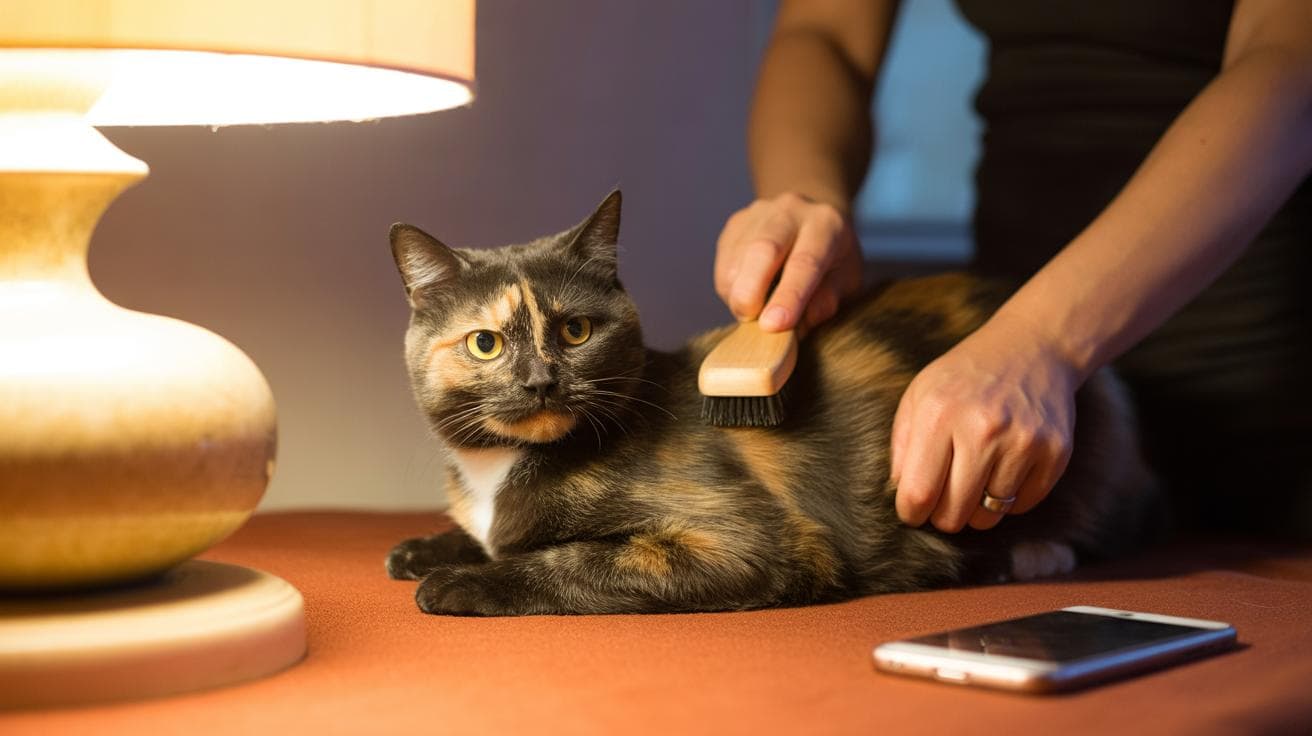
Coat length decides a lot of the grooming you’ll do. Short-haired torties usually do fine with a weekly brush. Long-haired torties need brushing several times a week to cut down on loose fur and hairballs. You’ll notice the difference right away , less fuzz on the couch and a shinier coat.

Match brushing to the seasons, since most cats shed more at certain times of year. A quick daily face rub and a short play-before-bed session calms many torties and reduces the nighttime zoomies. Short on time? Try two brief play-and-brush mini-sessions each day. Your cat will purr more and shed less.

Keep basic grooming simple and steady. Trim nails every 2 to 4 weeks, glance inside ears for dirt or wax, and only bathe when truly needed, since most cats dislike baths. If your tortie coughs up hairballs a lot, chat with your vet about brushing more often or trying a hairball-formula food.

Grooming schedule and tools

Tool Best for How often
Slicker brush (a brush with fine bent wires) Long coats, detangling Several times per week
Detangler comb (comb for knots) Removing mats gently As needed, carefully
Bristle brush or rubber curry brush (soft bristles or rubber nodules) Short coats, removing loose fur Weekly
Nail trimmer Keeping claws tidy Every 2–4 weeks
Gentle ear wipes Cleaning visible dirt or wax Check weekly

Baths are rare. Only do them when your cat is dirty or your vet recommends it. And remember to make grooming a calm moment, not a wrestling match. Reward your tortie with treats or a favorite toy so they learn to love the routine. I once bribed Luna with a tiny tuna snack and she became a much better sport. Worth every paw-print.

Nutrition for coat health

Pick a protein-forward diet (protein is a muscle-building nutrient) and foods with omega-3 and omega-6 fatty acids (healthy fats that help skin and coat). Keep fresh water available always. Watch body condition so your tortie stays fit but not thin or overweight. Before adding supplements, check with your vet , they’ll tell you if fish oil or special formulas are worth it for your cat.

For busy days, toss an unbreakable ball before you head out , that can be ten minutes of safe play and less home fur. In truth, consistent care and a little play go a long way toward keeping your tortie happy and feline fine.

Myths, folklore, and famous tortoiseshell cats

- Health and lifespan facts for tortoiseshell cats.jpg

Tortoiseshell cats come wrapped in stories from all over the world. In Scotland and Ireland, a rare male tortie is often called lucky. Other traditions treat torties like little guardians or say they bring money and good luck. Ever watched a tortie suddenly sit where you were about to cry? Yeah, those stories feel true.

A few famous tortoiseshells add real charm to the tales. Tama, the stationmaster cat in Japan, became a local celebrity and actually drew more visitors to her station. Commuters fed her and celebrated her like a tiny mayor. Marzipan in Australia lived to 21 and was known for curling up with moviegoers at the cinema. Literary lore even points to Cattarina as a muse connected to Edgar Allan Poe. And in the U.S., Cleo and Sarah were tortoiseshell companions at the White House during Reagan’s time. Cute, right?

These are fun facts, not science. They help explain why torties feel so loved around the world. Worth every purr.

Also, remember folklore is folklore, not medical advice. There are odd old customs out there , like a tale that rubbing a wart on a male tortie’s tail in May will make it go away. That’s harmless as a story, but it won’t fix a health problem. If your cat seems sick or hurt, call a veterinarian instead of trying folk remedies. Trust me, your vet will know what to do.

Adopting, evaluating, and FAQs for tortoiseshell cats

- Caring for tortoiseshell cats grooming, diet, and daily routine.jpg

Adopting is usually easier on the wallet than buying a purebred. Shelters and rescues often charge less, so start with local shelters (see hypoallergenic cats for adoption for search tips and pricing comparisons). You’ll often find sweet, quirky torties waiting for a home.

At the shelter, do three quick checks: play drive, comfort with handling, and how much they meow. Ask for a short play trial and a calm lap moment. For example, say: "Try a minute with a teaser wand and a minute of lap time to see how relaxed they are." Ever watched a cat go from zoomies to purr-machine in sixty seconds? These mini-tests tell you a lot about how they bond and take being handled. See the Caring for tortoiseshell cats section under "Bringing a tortie home: first 24 hours" and Health/Genetics (how traits are passed on) for notes about rare male torties and fertility.

The full first-24-hours checklist lives in Caring for tortoiseshell cats under the subheading "Bringing a tortie home: first 24 hours." Quick run-through of the essentials: a quiet small room, a cozy bed, food and fresh water, a litter box, a scratching post, a safe hiding spot, the carrier for the vet visit, and a couple of interactive toys. Think soft bedding that smells like you, a low light corner to hide in, and one toy that makes a satisfying little rattle.

FAQ (short and friendly):

  • Do tortoiseshell cats have a universal temperament? No. Personalities vary , some are mellow, some are feisty. See Temperament and Health/Genetics for more.
  • Are male tortoiseshells fertile? Most are sterile; see Health/Genetics for the genetics (how those color traits link to chromosomes).
  • Will a tortoiseshell be high-energy? Some are very active. Plan daily interactive play and check the Caring for tortoiseshell cats section for toy ideas and play tips.

Worth every paw-print.

Final Words

Jumping right in, we ran through X-linked genetics (color genes on the X chromosome) that make tortoiseshells mostly female, the pattern types (brindled, patched, torbie), temperament notes, health and grooming tips, myths, and adoption pointers.

For busy multi-cat homes, pick sturdy interactive toys, carve out short daily play sessions, keep vet checks regular, and stick to a simple grooming routine. Less toy replacement. Calmer cats. Happier furniture.

Want bite-sized facts about tortoiseshell cats? Male torties are very rare (≈1 in 3,000), and personality varies by individual and breed. Enjoy the purrs and playful mayhem.

FAQ

Frequently Asked Questions — Tortoiseshell Cats

Are tortoiseshell cats female?
Tortoiseshell cats are overwhelmingly female because the orange/black color genes are X‑linked (on the X chromosome). Male torties are rare (about 1 in 3,000) and are often XXY (an extra X), which can cause fertility and other health risks.
<dt>What is a tortoiseshell cat?</dt>
<dd>A tortoiseshell cat has a coat pattern (not a breed) of mixed black and red/ginger patches or brindling. This pattern appears in many breeds and is caused by X‑linked color genetics.</dd>

<dt>What two cats make a tortoiseshell cat?</dt>
<dd>A tortoiseshell kitten results when one parent provides an orange allele and the other a non‑orange allele on X chromosomes. In female embryos (XX), random X‑inactivation leads to patchy black and red areas.</dd>

<dt>What are common health problems for tortoiseshell cats?</dt>
<dd>Health issues generally mirror the risks for the cat's breed. Male torties (often XXY) may face sterility and additional health concerns. Common issues to watch for include dental disease, obesity, parasites, and mobility problems in seniors—routine vet exams and screenings are recommended.</dd>

<dt>Are tortoiseshell cats friendly, do they like to be held, and do they meow a lot?</dt>
<dd>Tortoiseshells are often described as strong‑willed, vocal, and loyal—sometimes called “tortitude.” However, research finds no consistent link between coat color and behavior; friendliness, handling, and breed influence temperament more than color.</dd>

<dt>What is the difference between a calico and a tortoiseshell (tortoiseshell and white)?</dt>
<dd>A calico is a tortoiseshell with added white patches. Tortoiseshell‑and‑white cats show white areas alongside the black and red patches. Both patterns follow the same X‑linked color genetics.</dd>

<dt>What is a dilute tortoiseshell cat?</dt>
<dd>A dilute tortoiseshell has softened colors (blue/cream or gray/cream instead of black/red) due to dilution genes that lighten pigment. Dilute colors are less common and may mellow as the cat ages.</dd>

<dt>How much does a tortoiseshell cat cost?</dt>
<dd>Prices vary: shelter or rescue fees are usually modest, while purebred tortoiseshell kittens can cost more depending on breed and breeder. Adopting from a shelter is often the most budget‑friendly option.</dd>

<dt>What are some fun facts about tortoiseshell cats?</dt>
<dd>Fun facts: the pattern is not a breed, most torties are female, “torbies” mix tabby stripes with patches, and many cultures have charming tortie superstitions. There are also several famous tortoiseshell cats.</dd>

Related Articles

Author

  • Isabella Tiu

    Isabella Tiu is a transcriptionist from Calhoun, Florida, known for her sharp attention to detail and her commitment to providing accurate and efficient transcription services. With a passion for language and communication, she thrives on transforming spoken words into clear, readable content for her clients.

    When she's not working, Isabella enjoys hiking and camping, finding peace and inspiration in the beauty of the outdoors. She often says, “The best lessons are often learned in nature,” a philosophy she embraces both in her work and personal life.

    Isabella’s love for both her craft and the natural world reflects her belief in continuous learning and exploration.

    View all posts

Similar Posts