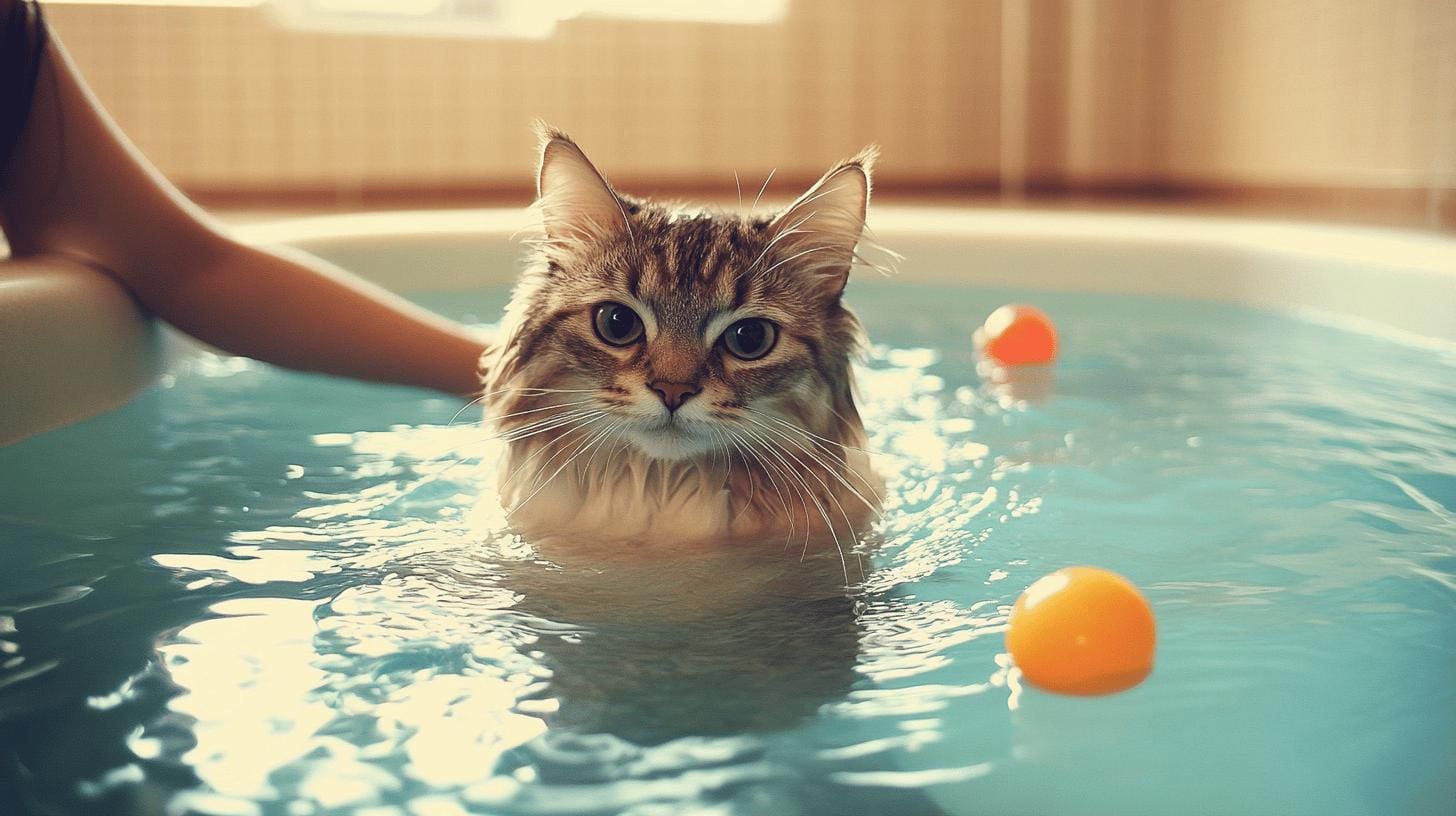
Can cats really swim? The idea might seem strange to some, but swimming can be a fun and enriching activity for your feline friend. Just like us, cats can benefit from a bit of water play. Training a cat to swim safely and confidently takes patience and a gentle approach. By gradually introducing water and providing the right support, you can help your kitty enjoy the water without stress. Ready to make a splash in your cat's life? Let's dive into these steps for a safe and enjoyable swimming experience!
Steps to Train a Cat to Swim
-
Assess Comfort with Water
Start by observing how your cat reacts to small amounts of water. Drip some water on their paws or let them explore a damp towel. This helps you gauge their initial comfort level. -
Introduce Water Gradually
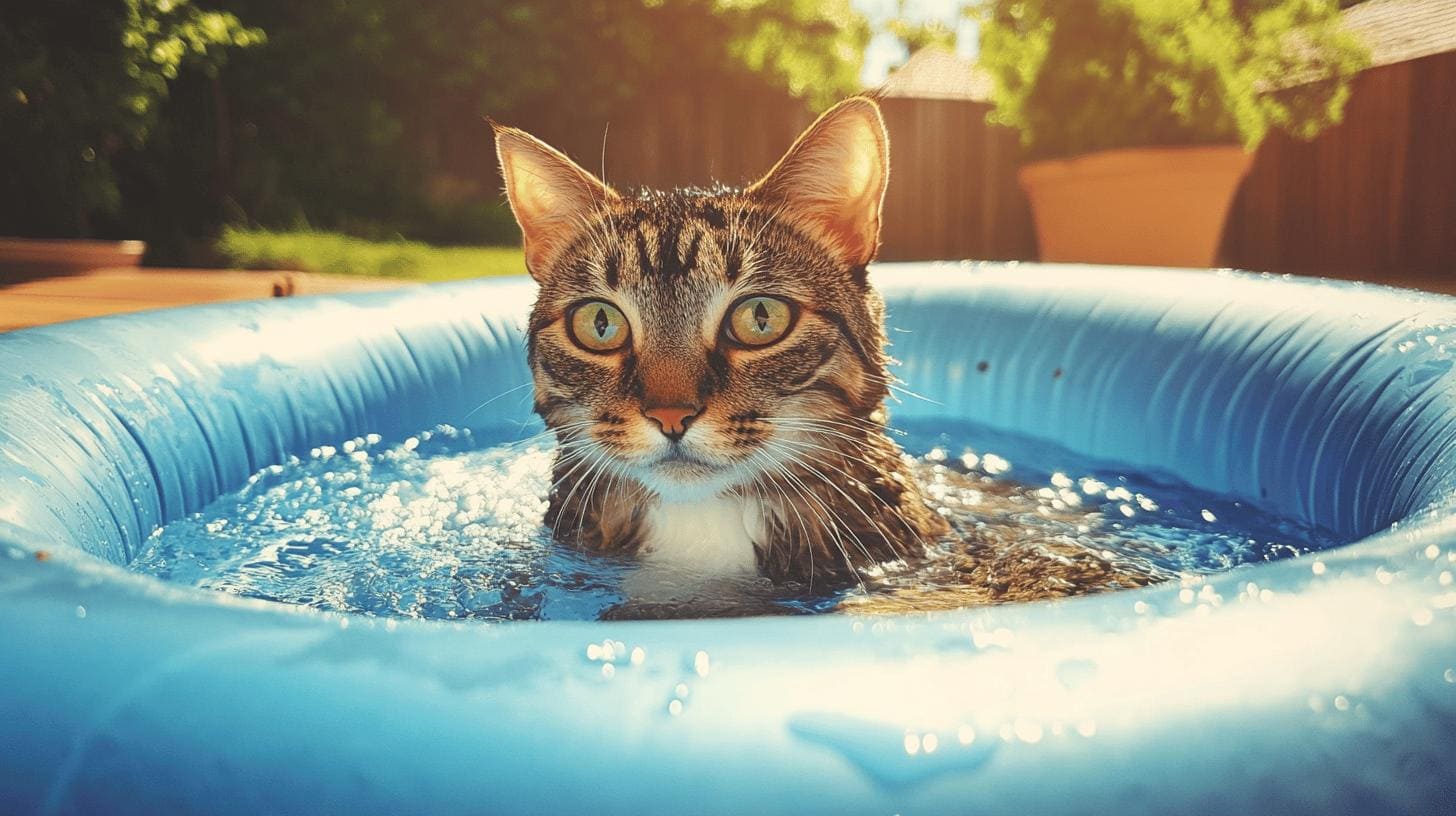
Use a shallow container with a few inches of lukewarm water. Let your cat explore it in a familiar area. This step is crucial for easing them into water interaction without overwhelming them. -
Set Up a Controlled Environment
Opt for a small wading pool or bathtub with a few inches of water. This ensures safety and allows you to supervise closely. Familiar items nearby can provide additional comfort.
-
Use a Flotation Device
Consider a life vest designed for cats. This adds buoyancy and stability, helping your cat feel more secure during their first swimming attempts. -
Encourage Exploration with Toys
Introduce floating toys to spark curiosity. This makes the experience engaging and helps create positive associations with water. -
Build Confidence Slowly
Gradually increase water depth as your cat becomes more comfortable. Offer treats and praise to reinforce their bravery and willingness to explore further.
-
Support and Supervise
Always stay close and be ready to support your cat physically. Hold them gently while they paddle and never leave them unsupervised. -
Increase Water Exposure
Once your cat is comfortable in shallow water, gradually introduce them to deeper environments. Maintain safety with a harness and continue using a flotation device. -
Regular Swimming Sessions
Schedule consistent swimming lessons to keep your cat's skills sharp. This helps maintain their comfort and enjoyment of swimming.
- Consult a Veterinarian
If you notice any health concerns or if your cat seems unusually stressed, consult a vet. They can provide guidance tailored to your cat's needs.
Patience and positive reinforcement are key to a successful swim training experience. Cats can sense emotions, so staying calm and encouraging helps them feel secure.
Swimming offers numerous benefits, such as mental stimulation and physical exercise, which can enhance your bond with your cat. By training them with care and attention, you can open up a world of fun and fitness for both of you.
Recognizing Cat Comfort and Readiness for Swimming
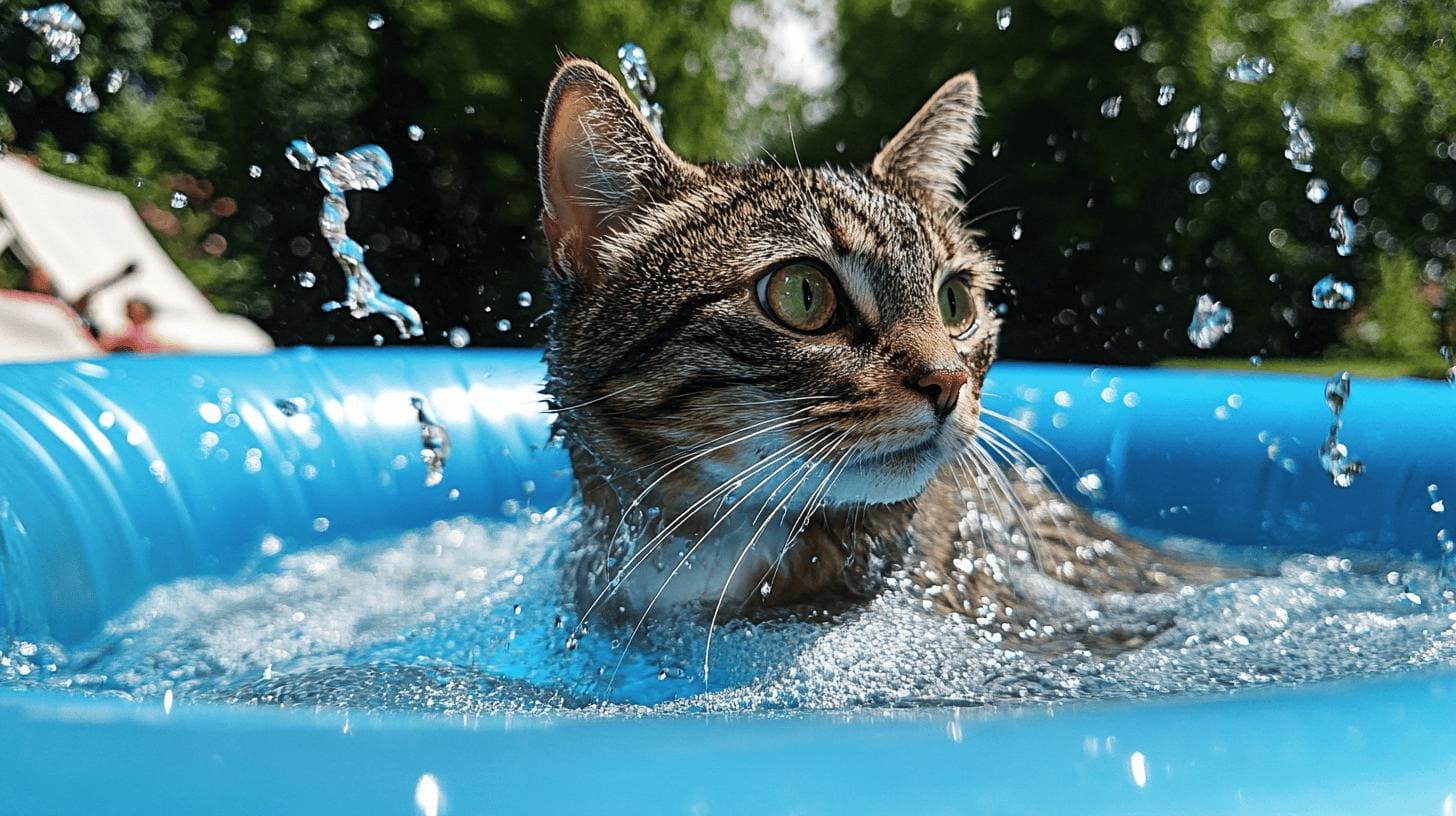
Certain cat breeds, such as Bengals and Maine Coons, have a natural affinity for water. These breeds might display curiosity or enjoyment when exposed to water. To identify if your cat is ready to swim, pay close attention to their body language and reactions when they encounter water in small amounts. Look for signs of comfort and interest, which are crucial in determining their readiness to take the plunge.
- Relaxed body posture near water
- Curiosity or playfulness with water
- Purring or kneading when near water
- Approaching water without hesitation
- Pawing at water surfaces
- Drinking from or exploring water sources
Building water confidence in cats that are hesitant involves a gradual introduction. Start by letting them explore water at their own pace. Encourage them with toys or treats near water, and use positive reinforcement to reward calm and curious behavior. By creating a safe and stress-free environment, you can help your cat feel more comfortable and confident around water.
Essential Equipment for Cat Swimming Training
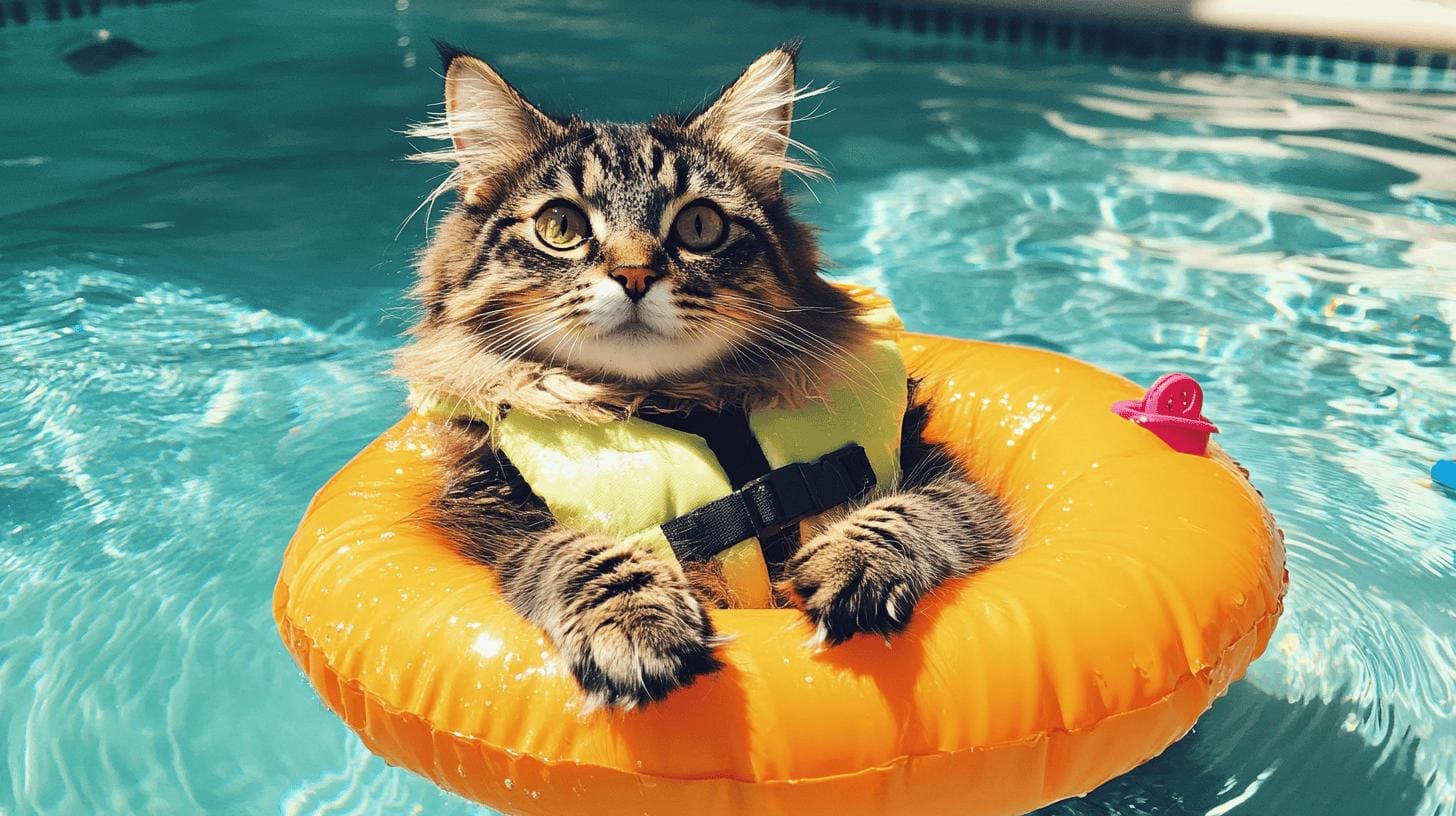
Using the right equipment is key to ensuring both safety and enjoyment when training cats to swim.
Proper gear can help cats feel more secure in the water and foster positive experiences during their swimming lessons.
-
Harness: A secure harness allows you to maintain control and guide your cat safely in and out of the water.
-
Towel: Keep a soft, absorbent towel nearby to dry your cat off after swimming, ensuring they stay warm and comfortable.
-
Waterproof Mat: A mat placed near the swimming area provides a non-slip surface for your cat to enter and exit safely.
Choosing the right equipment can make all the difference.
Look for harnesses that fit snugly but comfortably for different cat sizes.
Select towels that dry quickly.
A waterproof mat should be large enough for safe footing.
These items not only enhance safety but also make the swimming experience more engaging and rewarding for your feline friend.