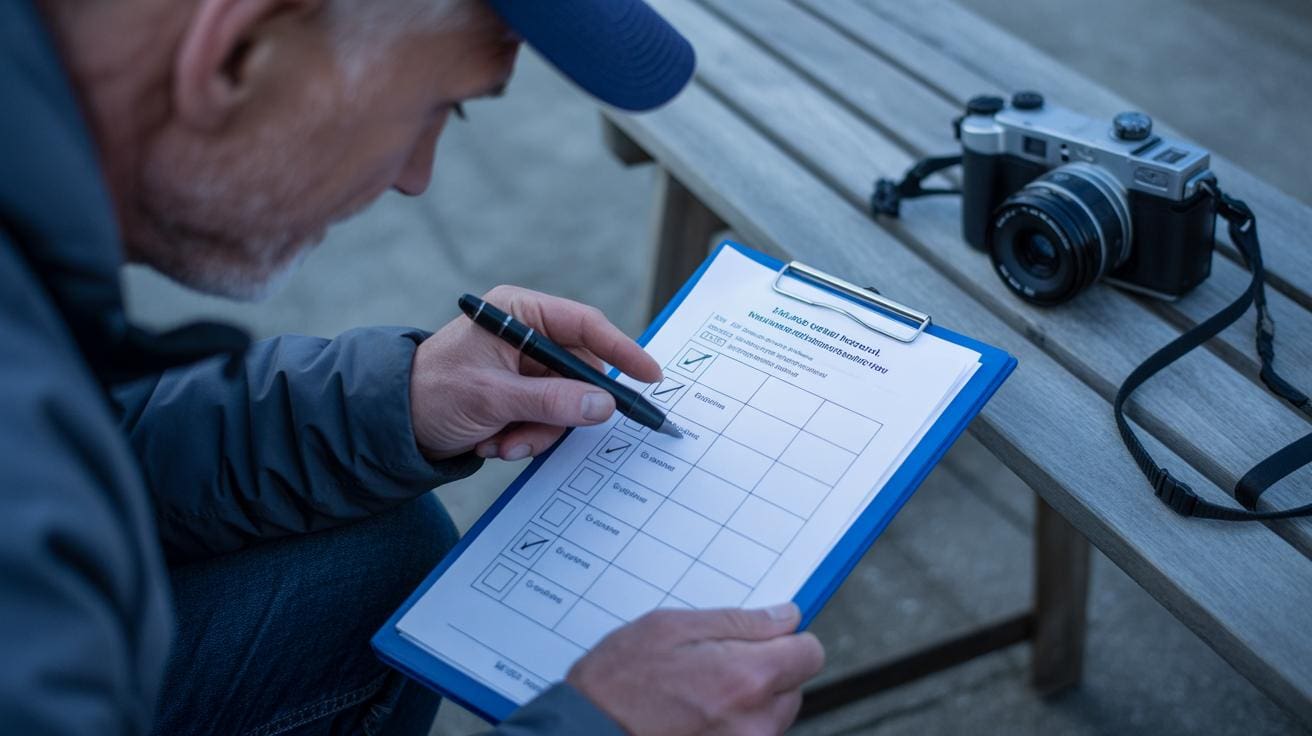
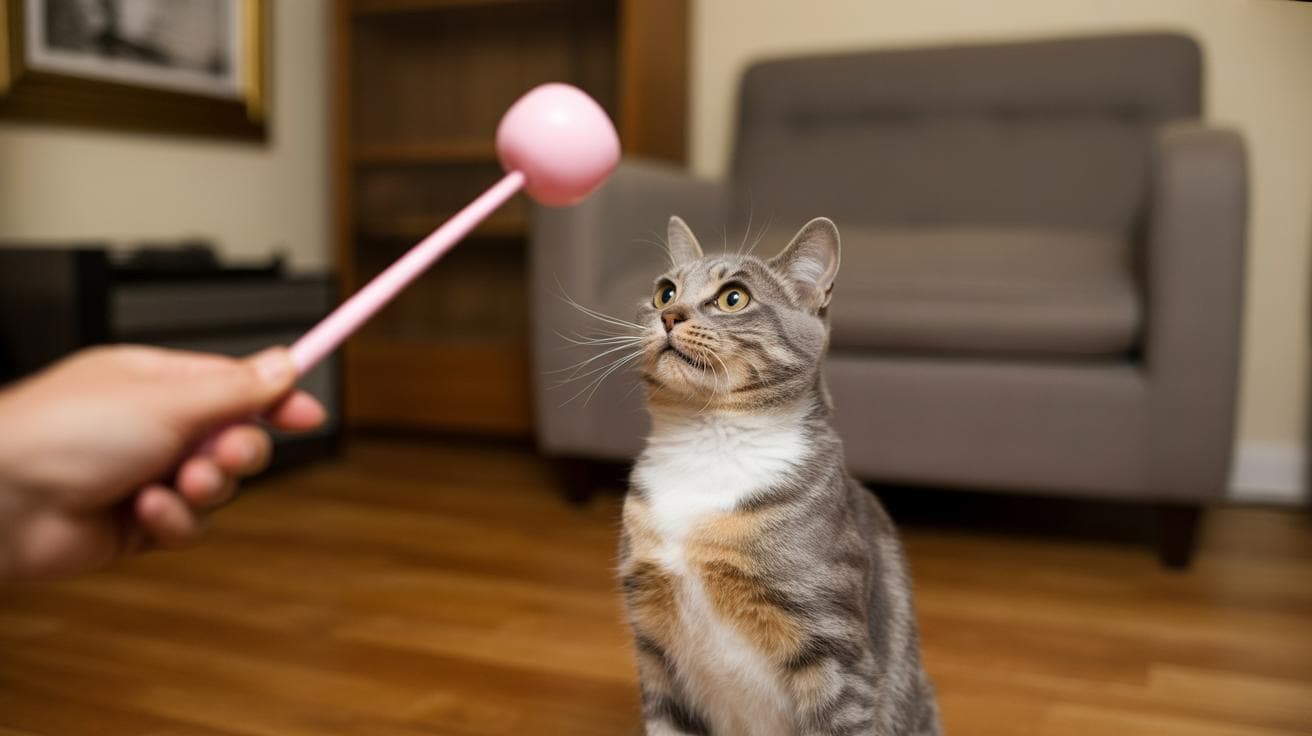
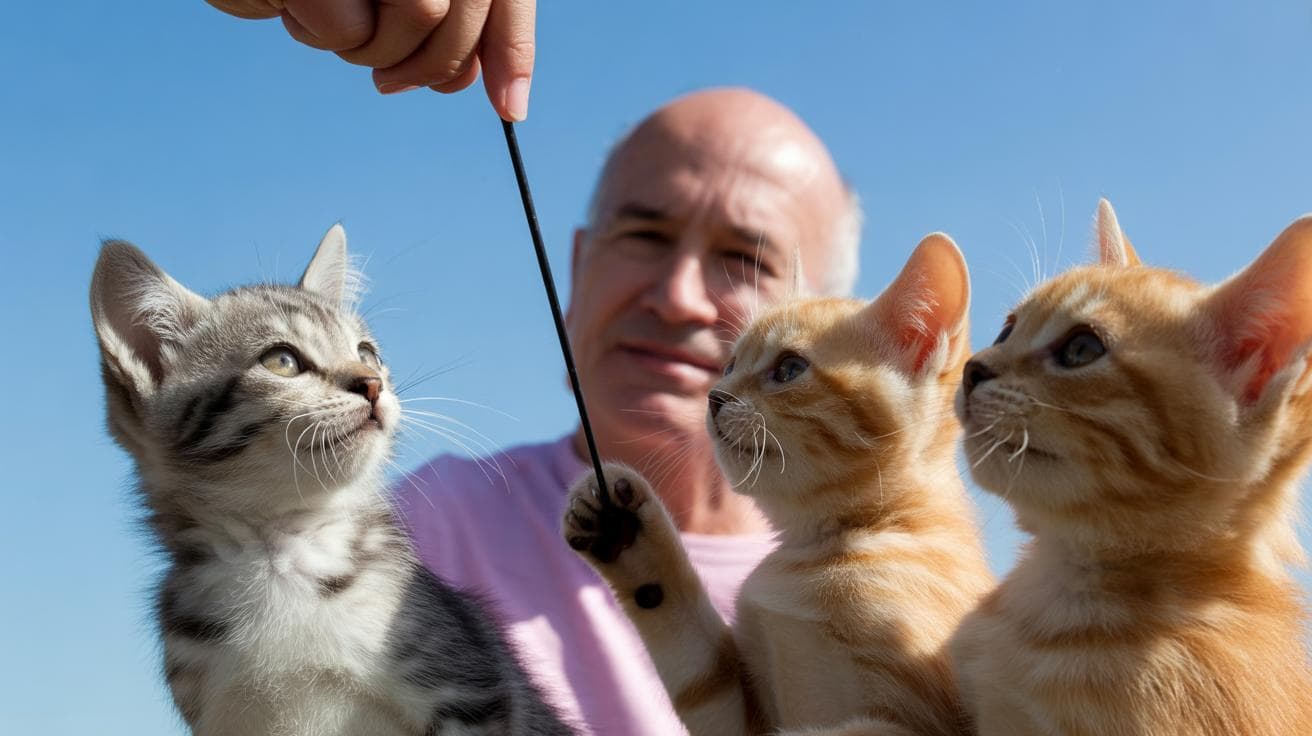
Think target training is only for dogs? Try it with your cat and watch whiskers twitch, paws reach, and focus bloom in minutes.
This quick intro gives a one-page checklist and three step-by-step methods. You’ll use a wand (a strong stick you point or dangle), a tiny soft treat (small, easy-to-eat reward), and a simple marker like a clicker (a small device that makes a sharp sound) or a short word. Target touches (gentle nose or paw taps to the wand tip) are the whole idea.
Short sessions build trust. They keep play safe. And they make training a little ritual you both look forward to. Ever watched your kitty lock on a toy? That same zoom-in focus shows up here, and it’s oddly satisfying.
Quick how-to in three moves:
- Get attention, show the wand close, wait for a sniff or tap, then mark and treat.
- Move the wand a bit farther so they reach or step, mark the touch, and treat.
- Add a cue word (like “touch”), reward every time, then slowly give treats less often as they learn.
I once watched Luna leap six feet for a gentle tap. Worth every paw-print. Ready to get feline fine?
Quick-start target-training: 6-item checklist plus three exact methods
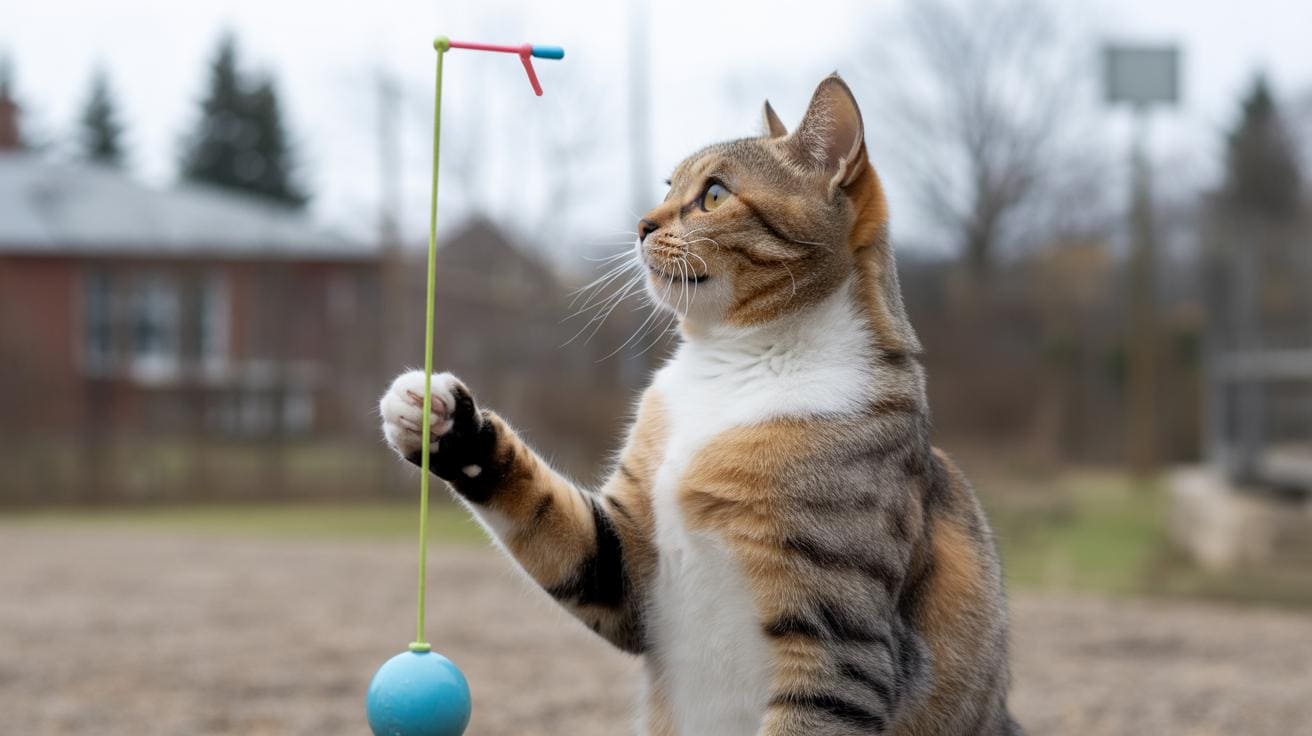
Ready to start training your cat right now? This one-page guide gives a short checklist and three step-by-step ways to teach target touches. Think of it like a quick play session that builds focus and trust. Ever watched a whisker twitch as a toy rolls by? That’s the good stuff.
Checklist
- Equipment: sturdy wand with a long handle (wand = a strong stick you point or dangle, keeps your hands safe). Also have small soft treats and an optional pocket clicker.
- Marker: clicker (small handheld device that makes a click sound) or a short bridge word said in a steady tone. Keep it the same every time.
- Treat: tiny, high-value soft bite (easy to chew and quick to swallow).
- Starting distance: 1-2 inches from the cat’s nose.
- Session length: kittens 1-3 minutes; adults 3-5 minutes. Short and sweet wins.
- Safety: watch every session, retire attachments (feathers, fabric bits) when more than 10% is frayed, and never stick treats to the tip where your cat could swallow parts.
- Method 1 – pretend treat on floor, point with stick
- Setup: have a tasty treat in hand and point the wand at an empty spot on the floor near your cat.
- First-session cue: point the wand at the pretend treat spot and wait. Let the cat come to the stick.
- Marker-to-treat timing: mark within one second when the cat moves toward the stick, then give the treat by hand or drop it on a little plate near their paws. Timing matters.
- Fading plan (how to remove prompts): slowly raise the stick in 1-2 inch steps over sessions. Only move on when your cat gets 8 out of 10 touches at that new height for two sessions. Yep, patience pays off.
- Method 2 – big ball stuffed with treats, fade to small ball, then stick
- Setup: use a large hollow ball with visible treats inside (hollow ball = plastic orb with holes). Keep a smaller ball on the wand for later steps.
- First-session cue: show the big ball so your cat noses it and finds the treats. This makes the idea clear.
- Marker-to-treat timing: click or say your bridge within one second of nose contact, then reach in and give one treat right away.
- Fading plan: when about 80% of trials are confident touches, swap in the smaller ball. After you hit 80% success across two sessions with the small ball, remove the ball and reward for touching the bare tip.
- Method 3 – lickable treat on the tip, fade to none
- Setup: smear a pea-sized lickable treat on the tip of the wand (lickable treat = soft, paste-like food cats lick off).
- First-session cue: hold the tip near the cat and let them lick once or twice. Easy wins build trust.
- Marker-to-treat timing: mark within one second when they approach to lick, then give a small hand reward right away.
- Fading plan: after 6-8 successful approaches for two sessions, halve the smear. Keep halving until there’s no smear and your cat still follows the tip expecting a reward. Actually, make that tiny steps, cats notice changes.
Session notes and limits
- Expect 3-7 trials per short session.
- Do sessions per day: kittens 3-5; adults 1-3.
- Stop if your cat shows overstimulation: flattened ears, tail lashing, or backing away. Take a break. Worth every paw-print to keep it fun.
Troubleshooting and extras
- If timing feels hard, see Equipment (H2 #2) for buying or DIY ideas, and Advanced Marker and Fading Strategies (H2 #3) for help with marker timing and smoothing the fade.
- Tip: toss in a playful one-minute warm-up before training to get interest. My cat once leapt six feet after a wobbling ball. True story.
Equipment, wand selection, and safety specifics

Pick a sturdy wand with a long handle so your hands stay well away from claws and teeth. Look for a solid feel, not floppy. Good materials include strong plastics (tough, lightweight molded polymer), wrapped attachments with no exposed metal that can snag fur, and feathers or toys that are fastened tight. Think fixed-length durable wands, retractable models (they pull in for storage) for extra reach control, or combo clicker+wands if you use a marker (a training clicker).
A longer handle gives you better control and lets you move the lure without crowding your cat. It’s more fun for both of you when you have room to swing the toy and your kitty can leap or stalk. Ever watched your cat track a feather across the carpet and go full ninja? That extra space helps.
Check the wand every time before play. Inspect it closely; retire attachments when more than 10 percent is frayed or stitching is loose. Store wands out of reach between sessions. Never leave a wand with small parts where a cat could chew and swallow them, and always supervise play.
DIY fixes that actually hold up: use a strong braided cord (multi-strand cord) about 2 to 3 mm thick and tie a figure-eight knot or a double-overhand knot. Then secure the knot with epoxy (thick glue) or a crimp sleeve (a small metal tube you squeeze shut) for a more permanent bond. For quick temporary repairs, wrap the joint tightly with strong tape and replace the attachment before the next session.
Introduce any new attachment slowly. Hold it still so your cat can sniff, then add short, calm movements so curiosity beats fear. Your cat’s whiskers will twitch, the ears will swivel, and before you know it, you’re both having a claw-tastic time.
Advanced marker and fading strategies

This section walks you through shaping progressions, medium- and long-term reinforcement plans, and a tidy four-step fix for marker errors so you can polish behaviors without repeating the basic fades in the Quick Start. Think of it like fine-tuning your timing as a trainer and building your cat’s confidence. Ever watch whiskers twitch right before a perfect pounce? That’s the magic we want to capture.
Shaping progressions
-
Step A – orient: Reward any nose or head turn toward the wand. Criteria: 5 out of 6 consecutive trials. Work in very short bursts. Move on after two sessions that meet that ratio and celebrate the tiny win.
-
Step B – approach: Reward a deliberate 1 to 2 cm approach (1 cm is about the width of a fingernail). Criteria: 6 out of 8 trials. Require two successful sessions before raising the bar. Short sessions keep the cat curious, not bored.
-
Step C – full touch: Reward a clear nose touch at about 1 to 2 inches (that’s roughly the length of a matchstick). Criteria: 8 out of 10 trials. Hold this stage for three reliable sessions so your cat feels steady and sure.
-
Step D – distance and direction: Increase distance in small 10 to 20 percent steps (measure in centimeters), and ask for about an 80 percent success rate in one session to advance. Add left and right direction changes once distance feels steady. Tiny increments matter. Cats notice little changes, so be proud of small gains.
Variable schedules and marker troubleshooting
Start with a staged reinforcement plan (a reinforcement schedule is how often you give rewards). Begin at 100 percent rewards for the first 3 to 5 sessions. Then drop to 70 percent for about 5 sessions. Move to 50 percent over the next 5 to 10 sessions. Finally settle at 30 percent maintenance, and give a high-value bonus every 8 to 12 trials. Mix in short play bursts or a gentle stroke (tactile reward) every fourth reward to keep things fresh and fun. For busy days, a quick toss of an unbreakable ball before you leave gives your cat safe solo play.
Marker troubleshooting (quick four-step protocol)
- Detect delay: Watch short video clips to spot markers made after the movement. Latency means delay, so look for any pause between the action and the mark.
- Retrain marker-to-reward: Do 20 to 50 immediate repeats at a very short latency. Mark within less than 1 second, then deliver the treat. Think of it like muscle memory for your timing.
- Probe test: Run controlled probe trials (about 10 trials with random timing) to confirm the marker is reliable. If the cat still looks confused, keep drilling the basics.
- Reintroduce continuous marking briefly if false positives rise, then shift back to the variable plan once reliability returns.
If you use a bridge word (a spoken marker that links action to reward), keep tone and pitch consistent and practice it in 30 to 60 second drills so timing becomes automatic. This is clutch when a clicker isn’t handy. Oops, make that a quick habit, your hands and voice will thank you later.
Worth every paw-print.
Teaser Wand Target-Training Techniques for Cats
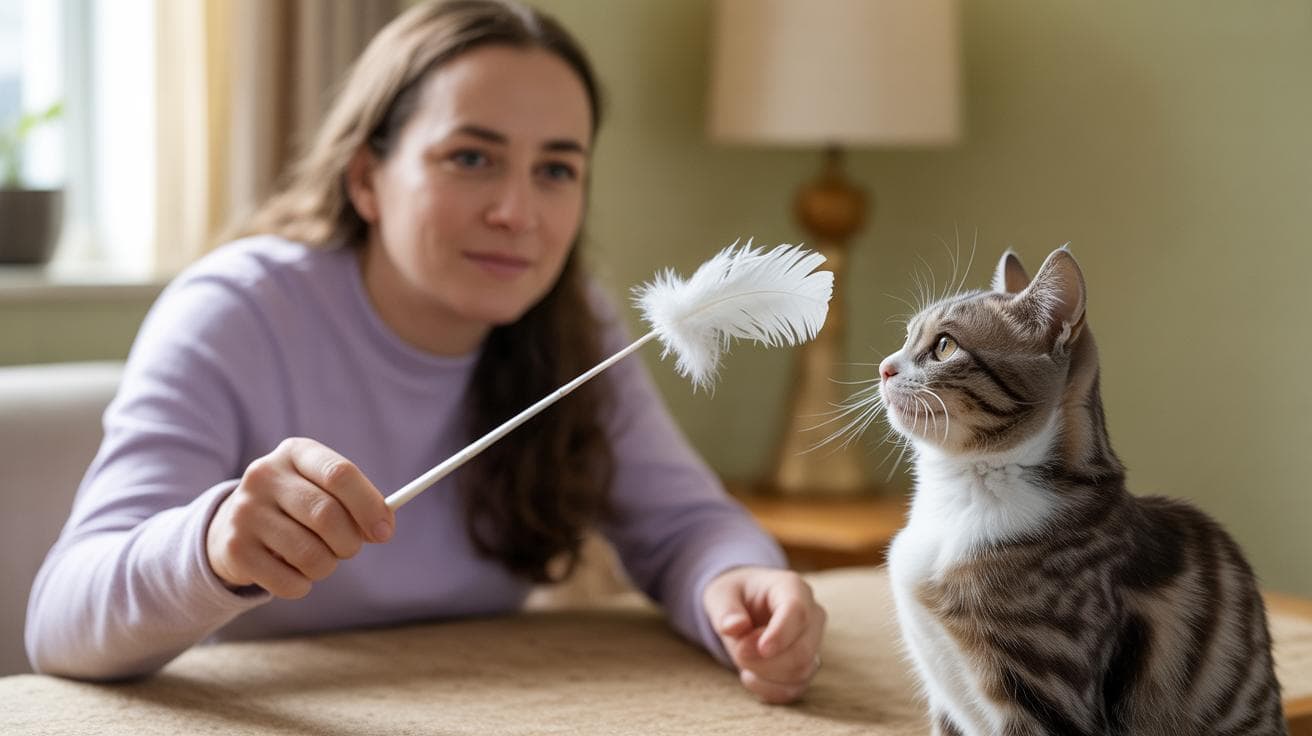
This 30-day plan lays out a clear week-by-week path and gives you one simple log template to track every short session. Think of it as tiny training sprints you can do a few minutes a day while your cat watches the wand like it’s the best toy in the world. Ever watched your cat’s whiskers twitch as the wand tip nudges a paw? That’s the good stuff.
| Week | Primary Goal | Criteria to Move On |
|---|---|---|
| Week 1 | Establish a reliable close-range touch (1-2 in) – touch means the cat taps the wand tip with a paw | 75-85% reliable touches over 3 consecutive sessions |
| Week 2 | Increase distance and add simple left/right direction | 80% success on distance and direction across 3 sessions |
| Week 3 | Cross-room following and basic transfers (mat, low perch, carrier opening) | 80-85% success on transfers and room follow for 3 sessions |
| Week 4 | Proofing around mild distractions (window noise, other household sounds) | 75-85% reliable responses with distractions present for 3 sessions |
Use the same logging format every session so you can compare progress day to day. Keep each log short and friendly – it’s easier to stick with. Here are the fields and how to write them:
- Date (YYYY-MM-DD)
- Time (HH:MM)
- Session label (A/B/C)
- Number of trials (integer)
- Success count (integer)
- Average latency (s, decimal) – latency means average response time in seconds (how fast your cat touched)
- Reinforcement schedule used (e.g., 100%, 70%) – reinforcement means how often you gave a treat or click
- Notes/triggers (short text) – distractions, mood, or funny moments
- Video clip filename (e.g., cat_20260210_1405.mp4)
Sample entry: 2026-02-10 | 14:05 | B | Trials 5 | Success 4 | Avg latency 0.9s | Reinforcement 70% | Notes: distracted by window | Video: cat_20260210_1405.mp4
Keep logs consistent and a little playful, um, you know, like a tiny training diary. Your cat’s tiny wins add up fast. Worth every paw-print.
Troubleshooting: multi-step diagnostics and escalation guidance
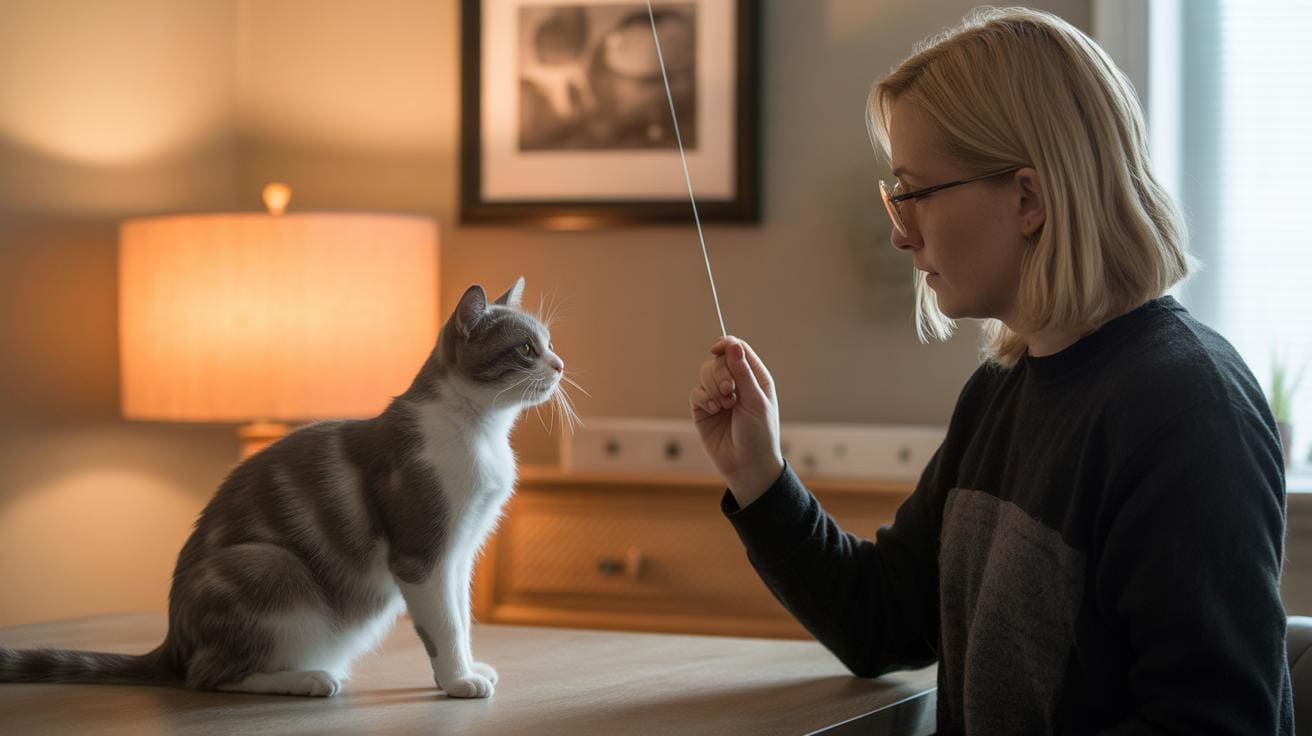
Quick tips: breathe, stay calm, and grab your phone to record short clips. Those videos help a lot. Use the Quick Start and Advanced Marker sections for fast retraining steps. Ever watched your cat freeze mid-pounce? Yeah, those little moments tell a story.
-
Overstimulation / play-biting
Diagnose: look for faster reaction times, tail whipping, flat ears, sudden hard swats, or a session that ramps up quickly on video. Your cat may go from playful to prickly in a flash.
Quick test: run two calm probe trials. First, hold the wand still so your cat can sniff. Then try one slow move. Watch for the same signs.
Staged fixes: (1) shrink how much the wand moves and end the session at the first mild sign, (2) do only stationary sniff trials for 2-3 sessions, (3) follow recovery with 1-2 minutes of calm play or gentle grooming as a reward.
Escalation triggers: repeated aggressive lunges, bites that break skin or draw blood, or escalation over two sessions; call a certified behaviorist or your vet. -
Waning interest
Diagnose: your cat takes longer to approach, misses touches, or seems unfocused on video. Boring toys are the usual suspect.
Quick test: offer a novel high-value treat probe and a favorite toy probe to see which gets a better response.
Staged fixes: (1) rotate wand attachments, (2) bring back a known high-value treat for 1-3 sessions, (3) slowly fade treats back to normal rewards over several days.
Escalation triggers: no response to probes after 4 sessions or sudden avoidance; get a vet check to rule out medical causes. -
Marker confusion
Diagnose: the cat hesitates after you mark, looks at your hand, or you see delayed reactions on video. That means the marker word or sound lost its meaning.
Quick test: do 10 quick marker-to-treat repeats at very close range. Make it obvious and immediate.
Staged fixes: (1) retrain the marker with 20-50 immediate repeats, (2) run short probe trials, (3) briefly reintroduce continuous marking so the cat remembers the cue.
Escalation triggers: persistent confusion after retraining; contact a trainer for help. -
Safety incident – chewing or ingestion
Diagnose: you find torn toy bits in the mouth, see coughing or gagging, or video shows chewing. Check the toy right away.
Quick test: gently inspect the mouth and airway if your cat will let you, and check the stool for fragments.
Staged fixes: (1) remove the toy, (2) give basic first-aid and watch closely, (3) swap to a sturdier wand and shorten sessions.
Escalation triggers: vomiting, trouble breathing, or suspected ingestion; call your vet immediately. -
Dependency on the wand (won’t perform without it)
Diagnose: the cat ignores verbal or hand cues and only responds to the wand. That’s a learned dependency.
Quick test: try a shorter wand probe or use only a hand cue for five trials to see if anything transfers.
Staged fixes: (1) alternate between wand and hand cues, (2) shift the reward to a verbal cue or food cup over 10-20 reps, (3) gradually shorten the wand until the cup or voice is enough.
Escalation triggers: no transfer after 20-30 reps; look into Advanced Marker strategies or consult a trainer. -
Stalled progress / plateau
Diagnose: you keep succeeding but you’re not moving forward in distance or time; video shows steady but stalled work. That’s normal sometimes.
Quick test: change the distance by 10-20 percent for six probe trials to shake things up.
Staged fixes: (1) drop criteria back one step and rebuild confidence, (2) use variable reinforcement for 3-5 sessions, (3) add a few short high-value booster trials.
Escalation triggers: plateau that lasts two weeks despite staged fixes; consider professional help.
Pause training long-term if fear or aggression continues for more than four sessions or if anyone gets hurt. For a referral, gather: dated session logs, 30-60 second video clips showing the issue, brief session notes, a list of treats used, photos of injuries if any, and a short timeline of what you tried. That packet makes a behaviorist or vet consult way more useful. Worth every paw-print.