when to start litter box training kittens successfully

Ever wondered if kittens come with a built-in litter box map? Oops, let me rephrase that. It’s easy to think they just know where to go. But without the right timing, they can end up in all the wrong places.

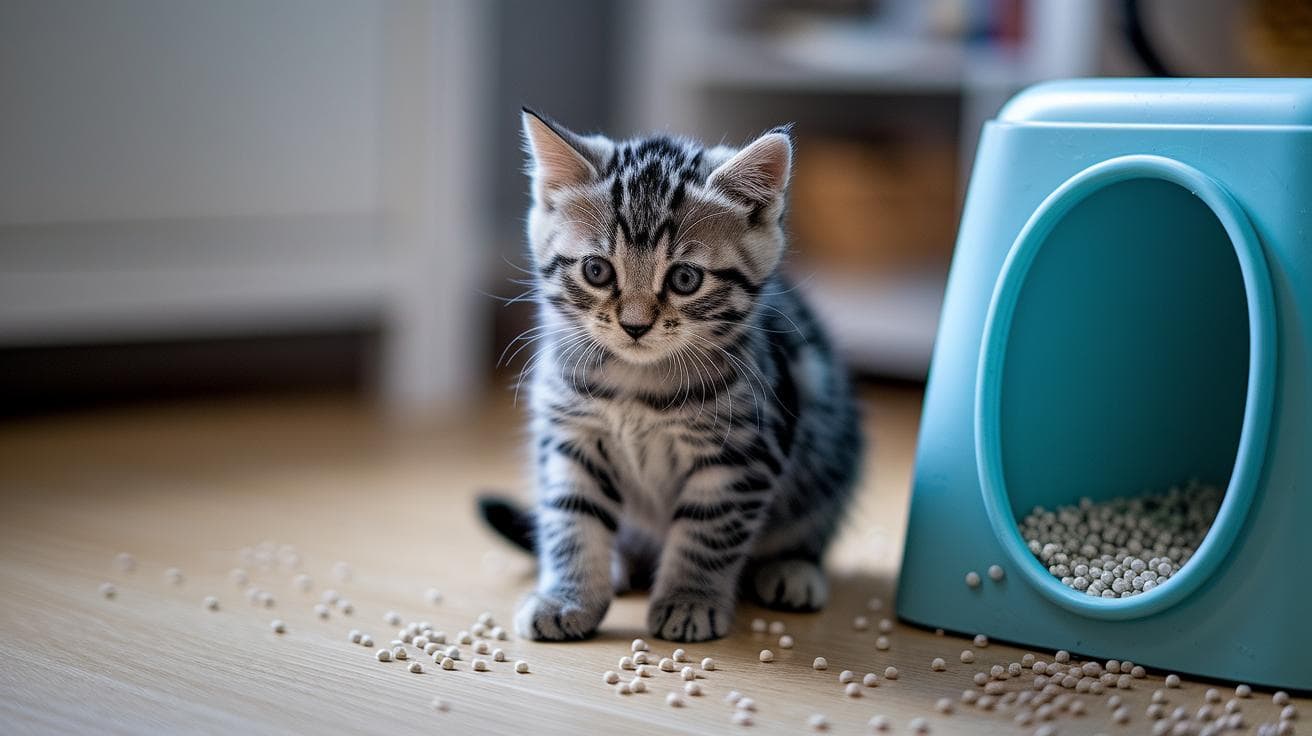
So when should you kick off litter box (a small tray with soft, clumping sand) training? Around four to six weeks old. That sweet stage when they gobble solid food and dive nose-first into every new texture. Your tiny purr machine will be ready to sniff, paw, and learn the ropes.

In this guide you’ll spot the clues your kitten gives (think gentle digging and curious sniff tests), discover the perfect age window, and follow simple steps to set up a clean, stress-free potty zone for your new best pal.

Worth every paw-print.

Kitten Readiness and Age for Starting Litter Box Training
- Kitten Readiness and Age for Starting Litter Box Training.jpg

Kittens under three weeks still need mom’s help to go potty. She licks their belly (nature’s little trigger) and then cleans up. They can’t toddle into a box yet so you handle it for them.

So when do you start training? Most pros say around three to four weeks. That’s when they’re weaning (starting solid food) and tasting independence. Your tiny mew-machine might sniff at textures and even peek into a litter tray out of curiosity. For more tips, check out how to litter train a kitten.

Every kitten hits those big milestones at its own pace. Some will sniff corners and squat by week three; others need a bit more time. The sweet spot for litter training is usually four to six weeks. But if you adopt an older kitty, go ahead and start now, patience is everything.

Keep an eye out for circling, tail-raising, or that funny sniff-squat combo. That’s your cue. Set out a shallow tray with unscented, fine-grain litter (tiny beads that soak up moisture). After naps or meals, gently place her inside. Um, let her curiosity work its magic. Before you know it, your new pal will be litter-box savvy and feeling totally feline fine.

Litter Box Size, Style, and Accessibility for Kittens
- Litter Box Size, Style, and Accessibility for Kittens.jpg

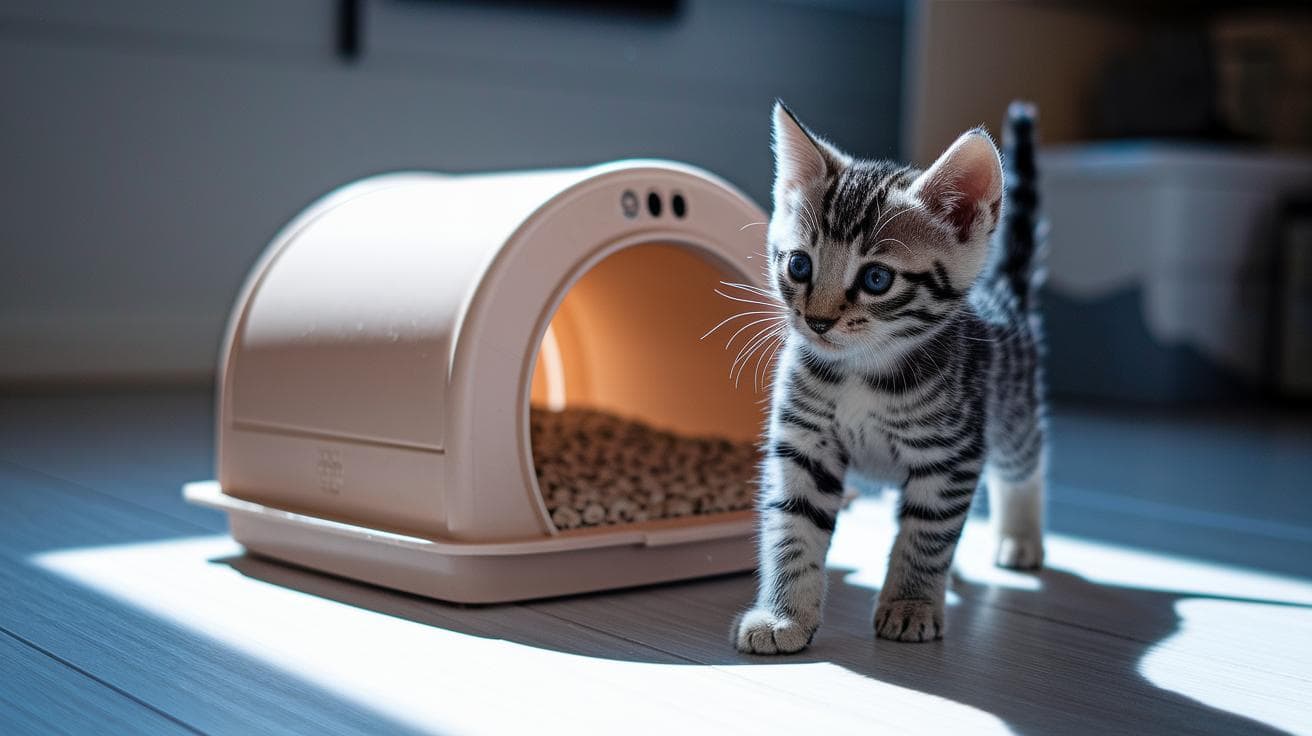
For your tiny explorer, grab a tray around 13 by 9 inches (about one and a half times her body length). That gives her paws enough room to dig without the whole box rocking. It’s like a mini sandbox just for her, kitty style!

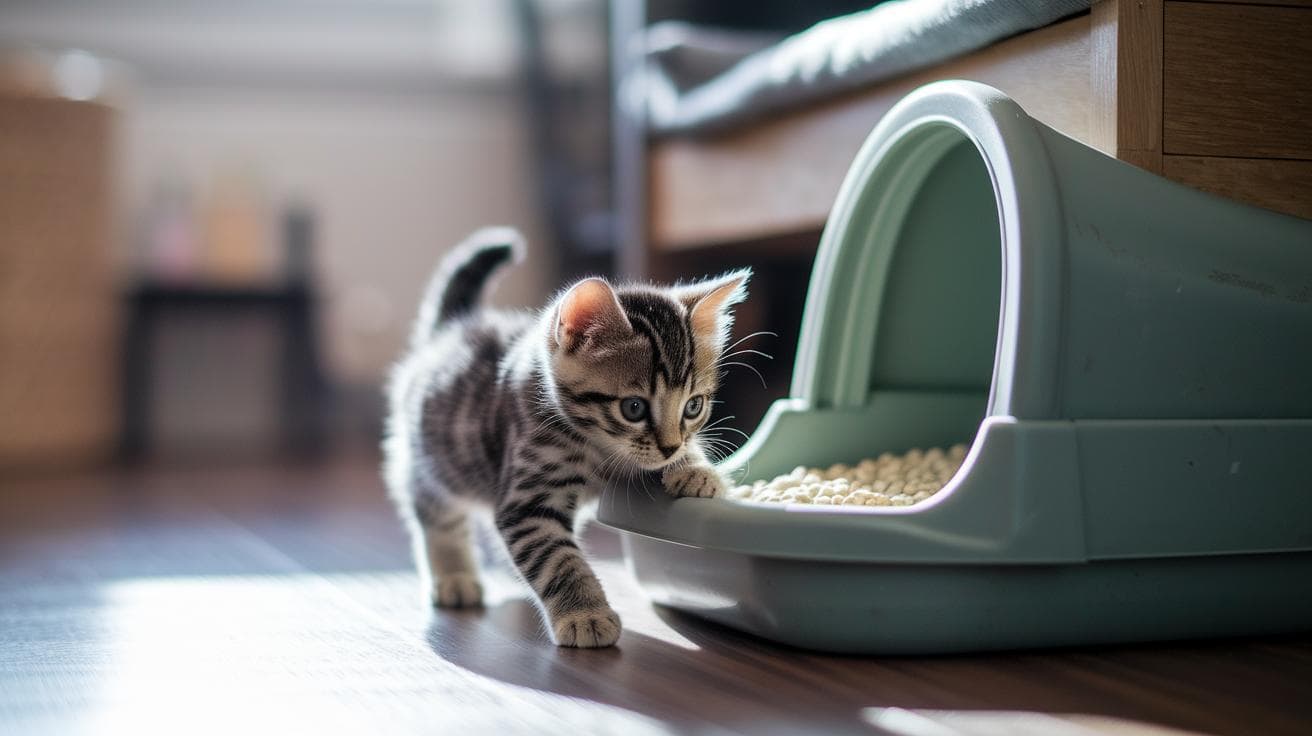
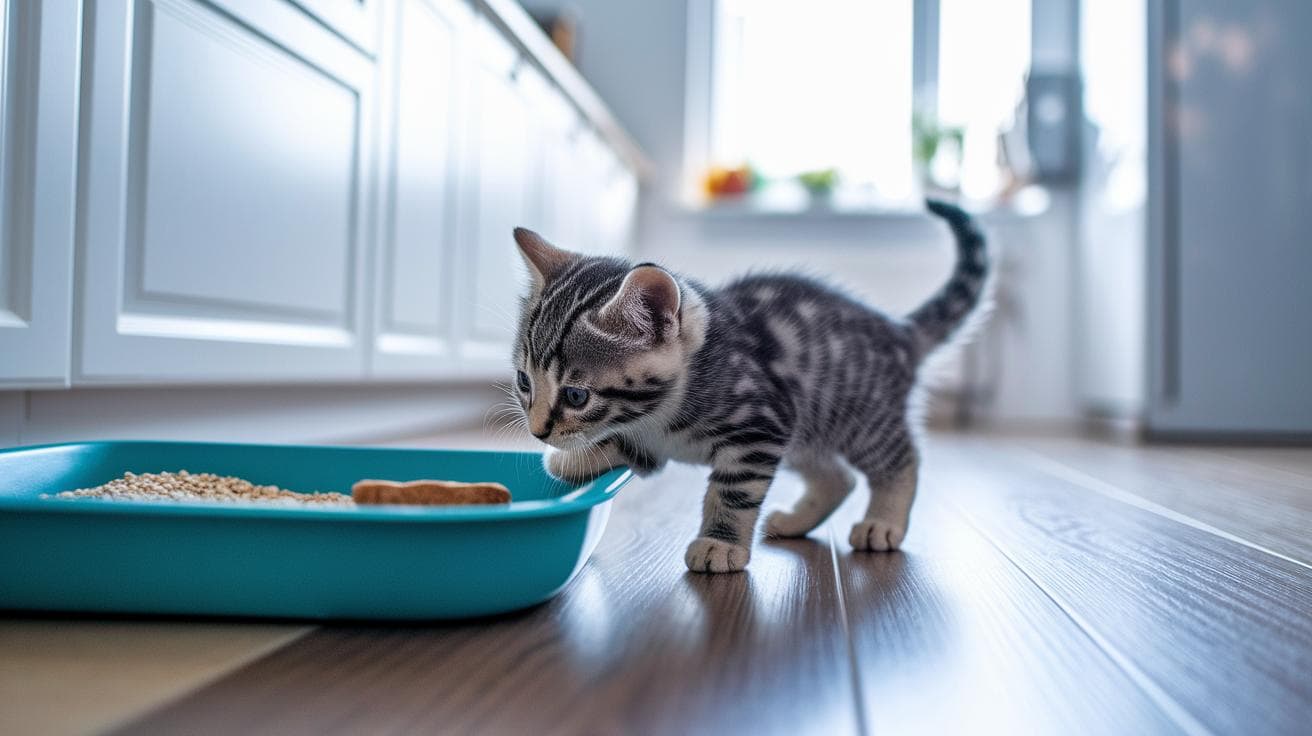
Shallow, open-top boxes are perfect for kittens under eight weeks. A low-entry design (sides under two inches) means they can step in and out without dragging their belly or doing a tiny gym routine. No dramatic leaps needed. Ever watched your kitten do a little dance in the litter?

But some kittens feel a bit trapped under a lid, you know? So set out both covered and open boxes to see which one they pick. Some may hide under a lid at first, then bolt out when it feels too snug.

As your mew-machine grows, it’s time to upsize or switch to a high-sided box for big digs and bold leaps. You’ll spot the change when she starts perching on the edge or scatter litter across the floor. Keeping the box big enough means potty time stays comfy, clean, and totally claw-tastic!

Worth every paw print.

Kitten-Friendly Litter Types and Transition Strategies
- Kitten-Friendly Litter Types and Transition Strategies.jpg

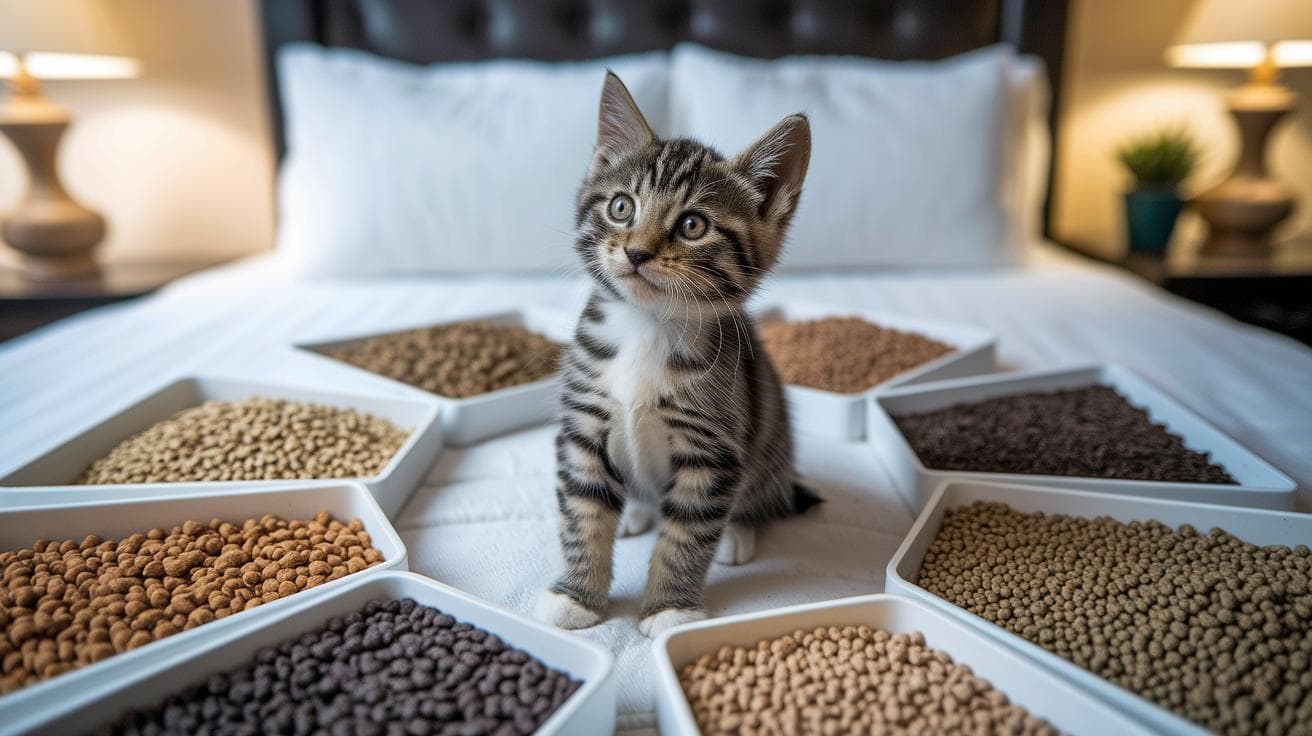
Ever watch your kitten dig around like it’s a tiny sandbox? Fine-grain litter (tiny, smooth particles) feels soft under those little paws and mimics garden soil just right. I always pick an unscented formula so there’s no weird perfume scaring off my mew-machine. For kittens younger than three months, that gentle touch makes litter training a breeze.

Big choice time: clumping or non-clumping? Hold off on clumping litters until your kitten is two to three months old. Those little clumps can look like snacks for curious nibblers. Instead, try natural litters like wood pellets or paper pellets (compressed sawdust or recycled paper) that cut down on dust and chemicals. The chunkier pellets let paws breathe and noses stay clear of irritants.

Switching litters? Um, go slow. Mixing the old with the new keeps your kitten curious instead of confused. Here’s a simple plan:

  • Start with 75% old litter and 25% new kitten-friendly litter.
  • Every three days, move to a 50/50 mix.
  • Then shift to 25% old litter and 75% new.
  • If your kitten pauses or walks away while digging, slow the change.
  • After one to two weeks, you’ll be on 100% new litter.

Keep the litter about 2 to 3 inches deep so your kitten can cover waste without sinking too far. These easy steps help her dig, scratch, and cover like an old pro. It’s worth every paw-print.
Placing and Managing Multiple Litter Boxes for Optimal Access

- Placing and Managing Multiple Litter Boxes for Optimal Access.jpg

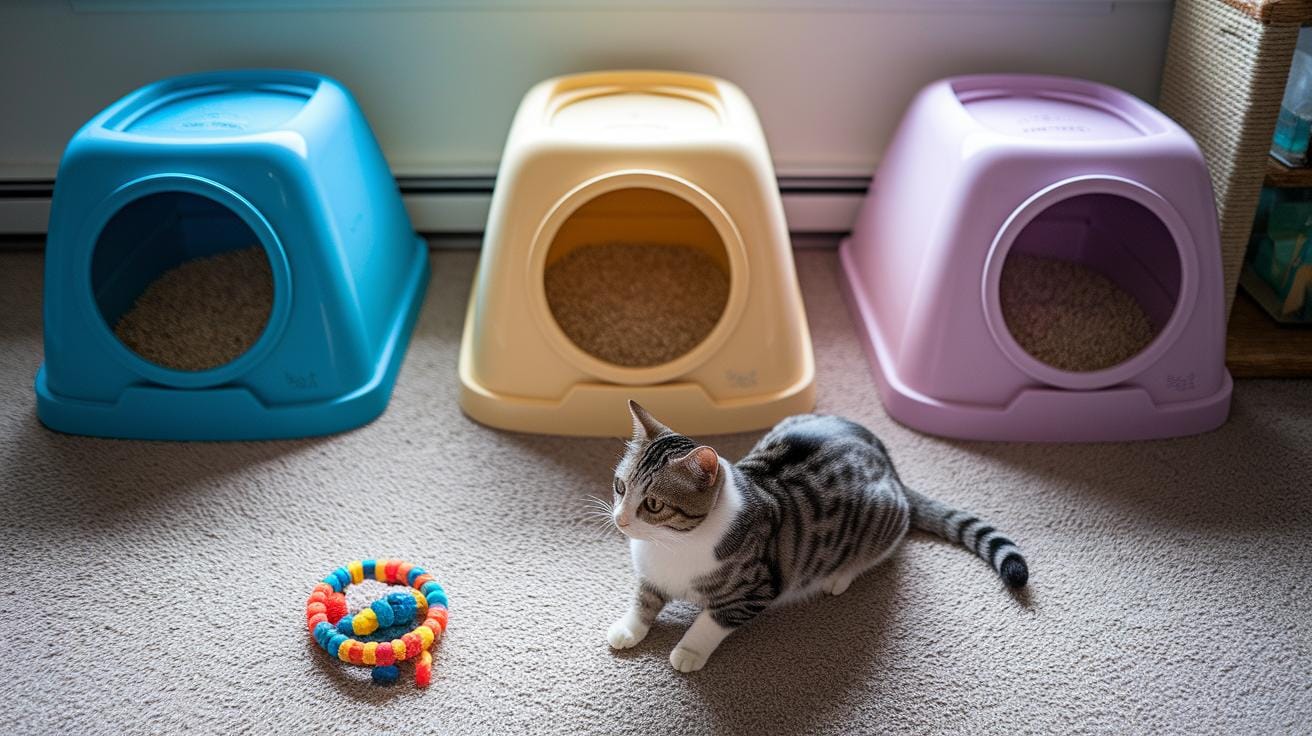
Training a house full of kittens can be a hoot. Give them one more litter box than they need. So if you have two kittens, set out three shallow trays (low step-in height). That extra spot cuts down on box squabbles and curious paws bumping into each other.

Next, don’t crowd the boxes in one spot. Scatter them at least 10 feet apart across rooms or floors. Think of warm sunspots in a hallway or the gentle hum of the laundry nook. Keep doors open and avoid stairs so kittens can dash in when nature calls.

  • Add one extra box per kitten to ease competition
  • Space boxes at least 10 feet apart across rooms or levels
  • Pick low-traffic corners where kittens can sneak in privately
  • Keep each tray level, clutter-free, and easy to step into

When they’re 3 to 8 weeks old, pick one room as their bathroom classroom. Place your extra trays in wide-open spots so there’s no guessing. Every time they need the loo, the box is right there, no detours allowed. You’ll notice fewer oops moments and more confident little diggers.

Worth every paw-print.

Step-by-Step Litter Box Training Process for Kittens

- Step-by-Step Litter Box Training Process for Kittens.jpg

  1. Get your station ready: pick out kitten-safe treats (tiny nibble-sized bits) and a low-sided tray loaded with soft, fine-grain, unscented litter (two or three inches deep). This purr-fect setup makes it easy for your kitty to spot her new bathroom, and it kickstarts positive vibes from the get-go.

  2. Watch for those telltale moves: sniffing corners, circling, or a tail held high or in a little quiver, especially right after meals, naps, or play bursts. That’s her way of saying she needs a potty break. Stay close so you can gently guide her to the tray.

  3. Choose a box with a low entry so stepping in feels like hopping onto the couch. Gently place her inside and chat in a calm, upbeat tone so she links this spot with something safe and friendly. Next, let her nose around.

  4. When she goes, cheer “Good job!” and reward her with a tiny treat right away. That snack-and-praise combo turns the litter box into a prize spot. Soon enough, she’ll be dashing in for her potty perks.

  5. Want to make it extra fun? Use a clicker or pick a special “yes” word and snap it the moment she finishes. That quick pop of feedback helps her connect the dots faster. It’s like hitting the jackpot for kittens.

  6. If she sniffs around then hops out, gently fluff the litter or sprinkle a little litter attractant (a sniff she loves) in one corner. Think of it as waving a tiny invitation. Chances are she’ll pounce back in to dig and go.

  7. On accidents, skip the scolding. Instead, clean it up with an enzymatic cleaner (this really removes odor) and seal the waste in a bag before tossing it. No punishment, just a fresh, neutral start.

  8. Scoop the box after every visit during those first training days and top off the litter to keep it around two to three inches deep. A clean tray feels like a mini kitty spa. You’ll prevent any litter-aversion before it starts.

  9. As she masters peeing and pooping, start phasing out treats but keep the praise flowing. That ongoing cheer cements the habit for life. Worth every paw print.

Troubleshooting Common Litter Box Training Challenges in Kittens

- Troubleshooting Common Litter Box Training Challenges in Kittens.jpg

So, your kitten’s having a few accidents. Ever watched her whiskers twitch as she circles the box? Let’s start by checking the setup.

Is the box crammed in a dark corner where she feels trapped? Or is Fluffy guarding it like it’s a secret nap den? Kittens need a comfy spot with light and fresh air.

If she’s suddenly spraying or leaving little surprises outside the tray, try these simple fixes:

  • Move a litter box to a low-traffic corner. She’ll appreciate the privacy.
  • Offer one more box than the number of kittens you have, more boxes, less competition.
  • Swap to an open or low-entry box (one with short sides so she doesn’t need a yoga pose to get in).

Cleaning is key. Scoop clumps every day during early training. If you still smell old litter, scoop twice a day. Once a week, wipe the tray with an enzymatic cleaner (a special soap that breaks down stains and smells). That fresh start helps keep her digging in the right place.

Want a calmer kitty? Plug in a pheromone diffuser (a little gadget that releases soothing cat scents) near the box. It’s like a mini cat spa, she might just chill out and use the tray every time.

Keep an eye out for UTI signs: straining, crying mid-pee, or any blood in her urine. Those are big red flags. If you spot them, or if the messes keep happening, call your vet right away and check out what do cat urine crystals look like. A quick check-up can rule out health issues so your furball can get back to purring and perfecting her paw-print art in the litter.

Final Words

We jumped right into recognizing those cues for kitten readiness, finding the right box size and style, picking kitten-friendly litter, and setting up multiple boxes for multi-cat homes. Our step-by-step process and troubleshooting tips keep accidents at bay and stress levels low.

With clear guidance on when to start litter box training kittens, you’re armed to set your fluffy friends up for success. Feels doable, right? Happy training, and may every paw find its spot!

FAQ

When should I start introducing kittens to the litter box?

Litter box training can start at 3 to 4 weeks old, as kittens wean and gain bladder control. Under 3 weeks, kittens need elimination help. See our how to litter train a kitten guide for details.

What is the fastest way to litter train a kitten?

The fastest way to litter train a kitten is by keeping a consistent schedule—place them in the box after meals, offer small treats, and praise every success. Most kittens learn in 1–2 weeks.

When is it too late to litter train a cat?

Litter training an adult cat is always possible. With patience, consistent routines, and positive reinforcement you can teach any cat to use the box, though it may take a few extra weeks.

How do I train an orphaned kitten to use the litter box?

Orphaned kittens learn elimination by placing them in a low-entry, shallow litter box after feeding. Then gently stimulate their belly with a damp cotton pad (like mom would) until they start using it themselves.

What litter should I use for kittens under 8 weeks?

For kittens under 8 weeks, fine-grain, unscented, non-clumping litter offers a soft texture and cuts ingestion risk. Avoid clumping formulas until 2–3 months old to keep curious noses and bellies safe.

What size and style litter box is best for kittens?

A kitten’s first box should measure about 13×9 inches—1.5 times their length—with low sides for easy entry. Open designs help kittens feel less trapped, though you can test covered models as they grow.

At what age can a kitten use a covered litter box?

Kittens can usually use covered boxes around 8 weeks old, once they’re steady on their paws and confident climbing in. Until then, open, low-entry boxes are easier for early learners.

How do I litter train a cat?

You litter train a cat by placing it in the box after meals, naps, or play, praising every success, and keeping the box clean and quiet. Never punish accidents—focus on gentle encouragement.

Related Articles

Author

Similar Posts