are domestic cats omnivores Definitive Verdict

Ever watched your kitty sniff a crisp lettuce leaf, wrinkle her pink nose, then saunter off to her crunchy kibble? Looks cute, right? But here’s the thing: cats aren’t built for plant snacking.

They don’t have salivary amylase (an enzyme in saliva that kick-starts carb digestion) to break down starch from veggies. So that leafy green just sits there.

And their stomach acid is wild strong, think of it like a mini meat-melting vat churning away. It’s made to turn muscle into fuel, not kale.

Cats are born hunters. Really. They’re obligate carnivores, which means they rely on animal protein for energy, vitamins, and all those purr-fueling nutrients. No veggie side dishes needed.

Domestic Cats: Obligate Carnivores Rather Than Omnivores?
- Domestic Cats Obligate Carnivores Rather Than Omnivores.jpg

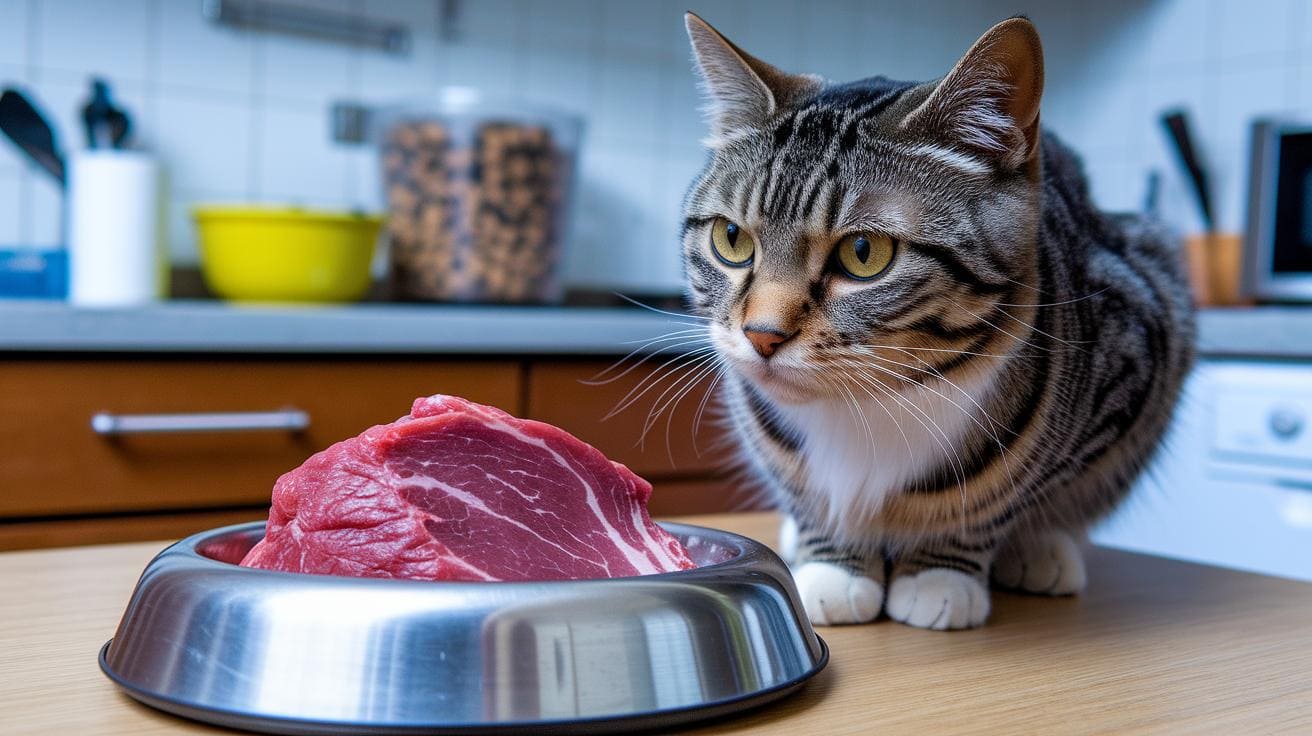
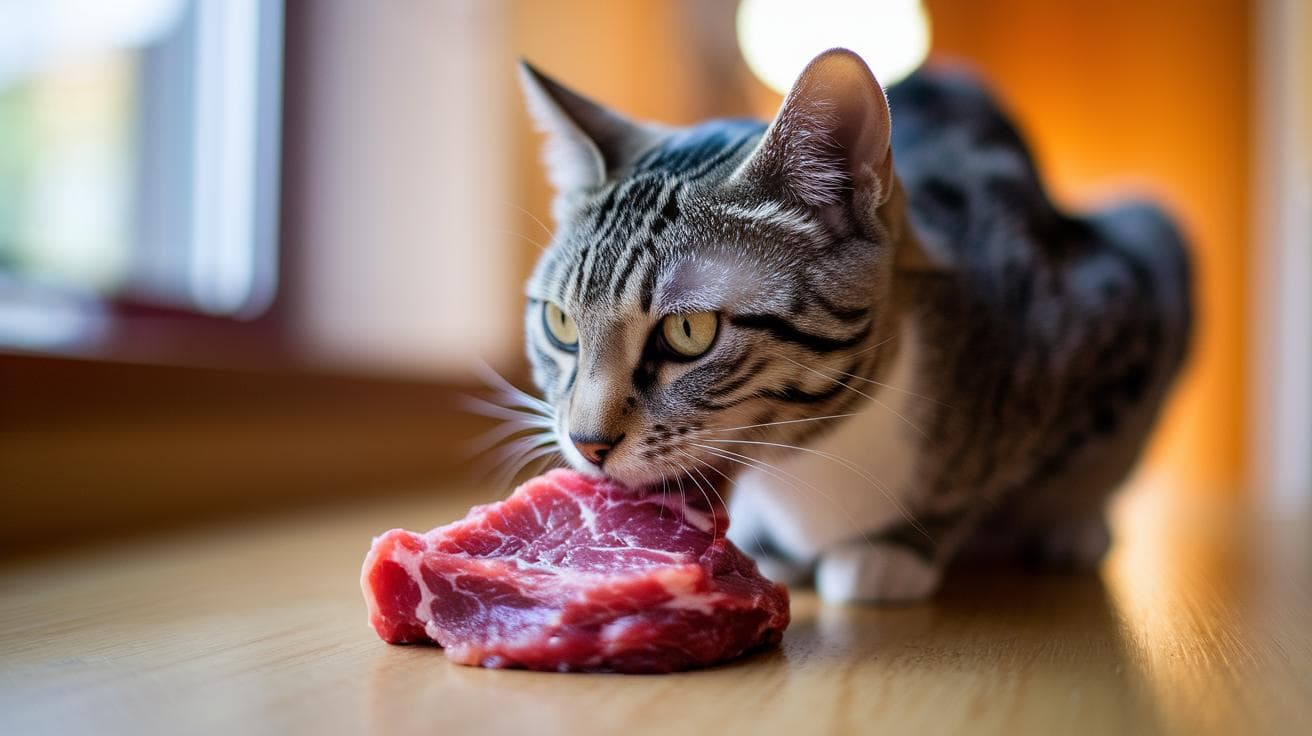
Ever wondered if your kitty could snack on salad? Nope, our feline friends are strict meat-eaters, called obligate carnivores (animals that must eat meat). They depend on a meat-based diet because they can’t make some essential amino acids (protein building blocks) or vitamins from plants.

Next, we’ll peek inside their tummies in Digestive Anatomy and Physiology in Domestic Cats. Check out those sharp molars, the missing salivary amylase (the enzyme that starts breaking down starch), and a super-acidic stomach (pH 1–2) that turns meat into energy fast while zapping nasty microbes. It’s claw-tastic how their bodies are built for hunting.

Then in Evolution of Diet in Domestic Cats, we follow their desert-roaming ancestors, wildcats that thrived on prey with 52–63% protein, 25–46% fat, and almost no carbs. See Nutritional Requirements of Domestic Cats below for the lowdown on protein and fat needs and why taurine (an amino acid), arachidonic acid (a fatty acid), and preformed vitamin A are non-negotiable.

Digestive Anatomy and Physiology in Domestic Cats

- Digestive Anatomy and Physiology in Domestic Cats.jpg

Cats are pure meat machines. They come with sharp, serrated molars (teeth with jagged edges) and a wide-set jaw that lets them slice, tear, and gulp down chunks of prey. Ever watched your kitty chomp? It’s purr-fect precision slicing and a bit wild.

Inside, the stomach’s pH (a measure of acidity) hovers around 1 to 2. That’s super sour, like lemon juice times ten. It tears through tough protein fibers and zaps bacteria in a flash. Think of it as a mini meat-melting factory.

Next comes the enzymes (small proteins that speed up digestion). Cats don’t make salivary amylase (the enzyme that breaks down starchy carbs in your mouth), um, so no bread feast here. Their gastrointestinal tract (from stomach through intestines) is short, only about five percent of their body length, so plant bits barely stick around. Without starch or sugar enzymes, carbs just zip right out.

This no-nonsense setup makes meat the ultimate fuel for cats. Really.

Evolution of Diet in Domestic Cats
- Evolution of Diet in Domestic Cats.jpg

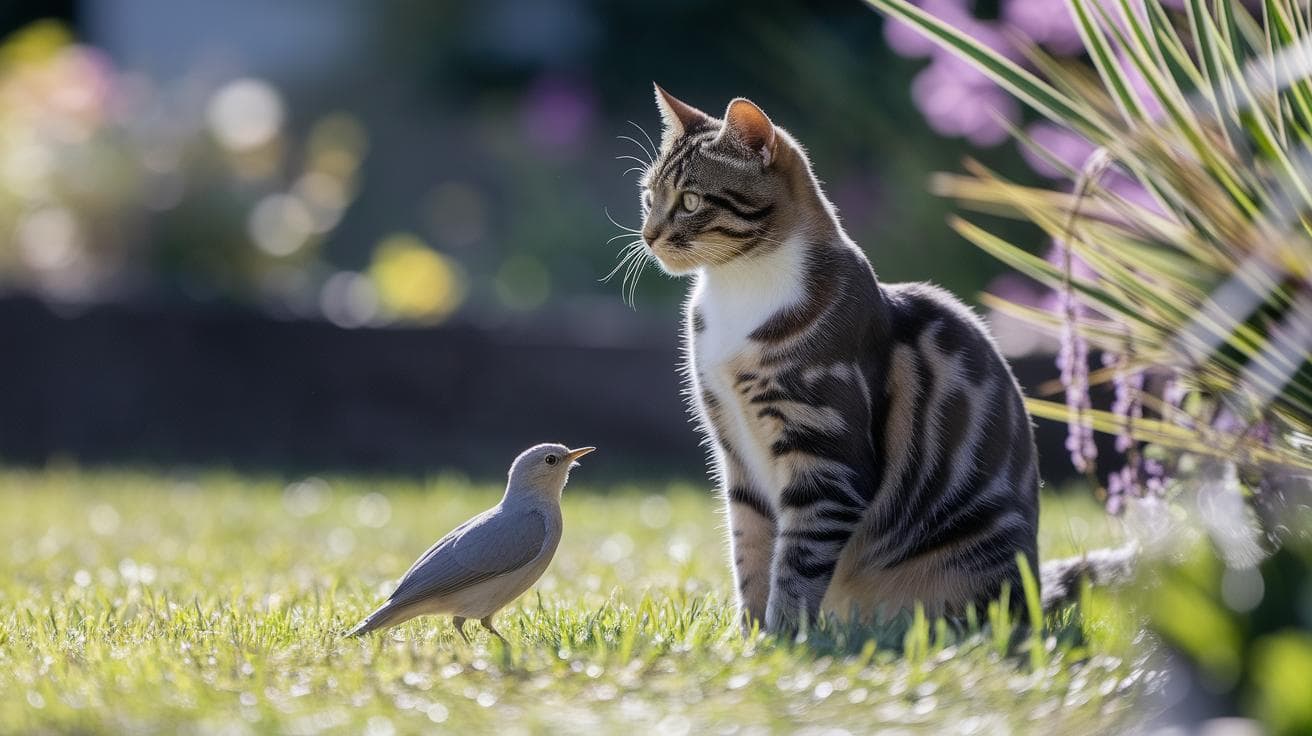
Okay, picture a desert wildcat – whiskers twitching under a scorching sun as it hunts. These kitty ancestors fueled up on whole prey with about 52–63% protein (the muscle-building stuff), 25–46% fat (energy-packed bits), and a tiny 2–12% carbs (sugars and starches). Imagine sinking teeth into a lizard or rabbit, crushing bones, and savoring every juicy morsel – so claw-tastic! It’s pure, raw fuel for a wildcat’s busy day.

And um, when humans brought these fierce hunters indoors, those desert diet blueprints didn’t vanish. Your couch-side pouncer still crouches, stalks, and bats at toys just like its ancestors chased rodents across sandy flats. Ever seen a stray tabby slip behind a shed and return with a prize? That’s ancestral diet in action – no fancy kibble can match the thrill and perfect nutrient mix of fresh meat.

Nutritional Requirements of Domestic Cats
- Nutritional Requirements of Domestic Cats.jpg

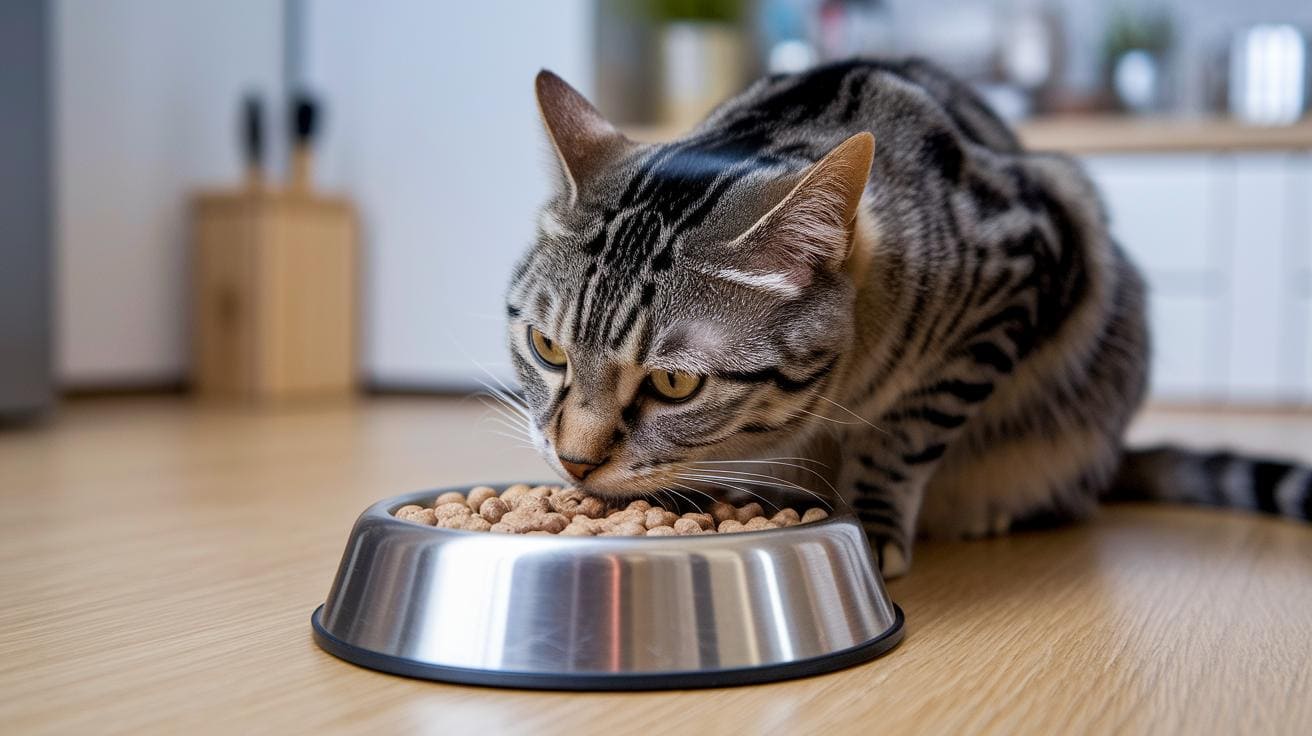
Hey there, fellow cat fan! Ever watch your kitty gulp down dinner like a tiny lion? Let’s break down what your cat really needs.

Adult cats need about 26% protein (building blocks for muscles and cells) and 9% fat (tiny energy packets that fuel playtime and healthy skin), all measured on a dry matter basis (food without the water). Kittens and mama cats need even more protein to grow strong and make milk.

Protein brings in essential amino acids (the bits your cat can’t make enough of on its own). And fat? It keeps whiskers twitching, skin soft, and fur glossy after every zoomie session.

Taurine is non-negotiable. Cats can’t make enough taurine (an amino acid critical for heart and eye health), so it has to come from meat. Skip the meat and your cat can get a weak heart (dilated cardiomyopathy) or fuzzy vision (retinal degeneration) in just a few weeks. Really, taurine deficiency is no joke.

Next, cats need arachidonic acid (an omega-6 fatty acid that helps cells chat) and preformed vitamin A (the ready-to-use version for vision and immunity). They lack delta-6 desaturase (the enzyme that would make arachidonic acid) and can’t convert beta-carotene (plant pigment that’s a vitamin A precursor) into active vitamin A. Meat delivers both in a form your cat can use. No meat, no deal.

Sure, some plant foods have arginine (another amino acid cats like), but they miss out on those vital fats and vitamins cats can’t make or convert. A sprinkle of fiber (plant bits that help digestion) here and there is fine, but meat must be the main act.

That’s how your cat stays strong, playful, and totally purr-fect.
Plant Ingredients in Cat Foods: Impact on Domestic Cats

- Plant Ingredients in Cat Foods Impact on Domestic Cats.jpg

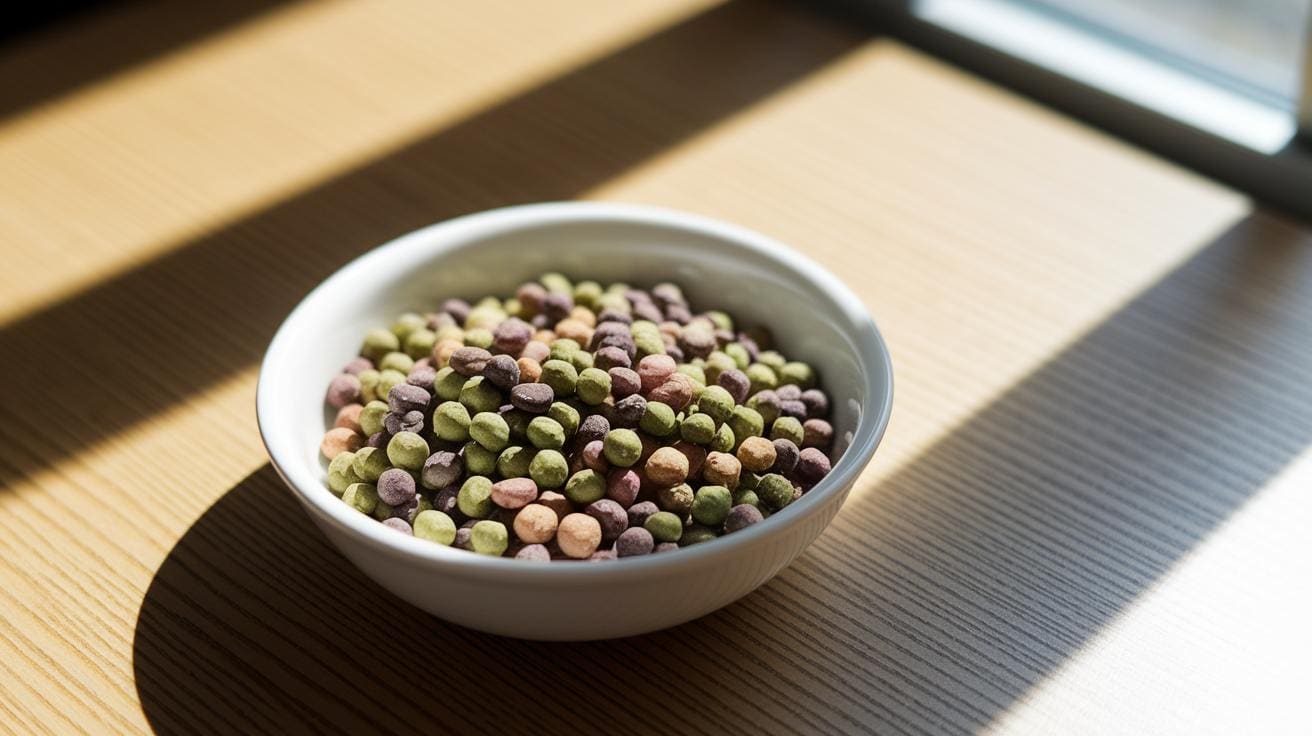
Lots of commercial kibbles use grains (like wheat, corn, or rice kernels), peas (small, green bean relatives), and legumes (beans and lentils) to shape the bite and cut costs. But cats aren’t built to turn those plant carbs into energy when they top 12% of the calories. They lack salivary amylase (the enzyme in saliva that breaks down carbs) and only have a bit of the same enzyme in their gut. So extra starch (plant sugar) just zips through their system without feeding them.

Pea protein in your cat’s diet does offer arginine (an essential amino acid cats need), but it’s missing taurine (a heart-healthy amino acid), arachidonic acid (a skin-and-fur friendly fat), and preformed vitamin A (meat-based vitamin A). Those nutrients only come from animal tissues (meat). Oops, um, that can lead to gaps in a cat’s diet and maybe a tummy ache if those beans and lentils pile up.

Some kitties do enjoy safe plant-based snacks, like a few nibbles of steamed broccoli or watermelon, just for a fiber boost or a fun crunch. Ever watched your kitty’s whiskers twitch as they chomp on a colorful veggie? It can help with hairball control, you know. Check out What Do Cats Like to Eat for more treat ideas.

But remember, those treats stay treats, they’re not the main fuel your cat needs. When plant ingredients balance with meat-based nutrients, they add texture or fiber and keep kibbles interesting. If they take over the recipe, you risk nutrient gaps and lower calorie uptake.

Keep your kitty purring and feeling fur-tastic by sticking to recipes where meat is the star.

Alternative Diets for Domestic Cats: Risks and Considerations

- Alternative Diets for Domestic Cats Risks and Considerations.jpg

Ever thought about tossing raw meat into your cat’s bowl? It sounds wild – like a little hunt in your kitchen. But raw chicken or beef can hide Salmonella or E coli. Yikes!

Freezing cuts down some germs but not all of them. And when you grind up bones and meat at home you might miss the right calcium to phosphorus ratio (essential minerals for strong bones). That mix-up can lead to odd growths or soft spots in kittens.

So please chat with your vet before swapping out dry kibble. They’ll help make sure you’re not missing key nutrients or letting bacteria sneak in.

Homemade vegetarian or vegan meals crank up the challenge even more. Cats need taurine (an amino acid), vitamin A (for sharp vision), vitamin B12 (for nerves and blood cells), and arachidonic acid (a fatty acid cats use for energy). You can add supplements but you know cats can be picky eaters.

Without the right balance you might see your kitty drag around, blink slowly or even have sudden heart flutters in as little as a week. Fixing things too late can, well, get really serious.

Even plant-based commercial foods lean on man-made nutrients. Sure, some meet AAFCO standards on paper, but chewing, swallowing and digestion change how much your cat actually absorbs. That means regular blood tests and vet visits are a must.

In truth, veering off the meat highway without a pro guide is a risky road. A vet’s advice and periodic lab checks will help keep your feline friend purring happily. Worth every paw-print.

Optimizing Meat-Based Diets for Domestic Cats

- Optimizing Meat-Based Diets for Domestic Cats.jpg

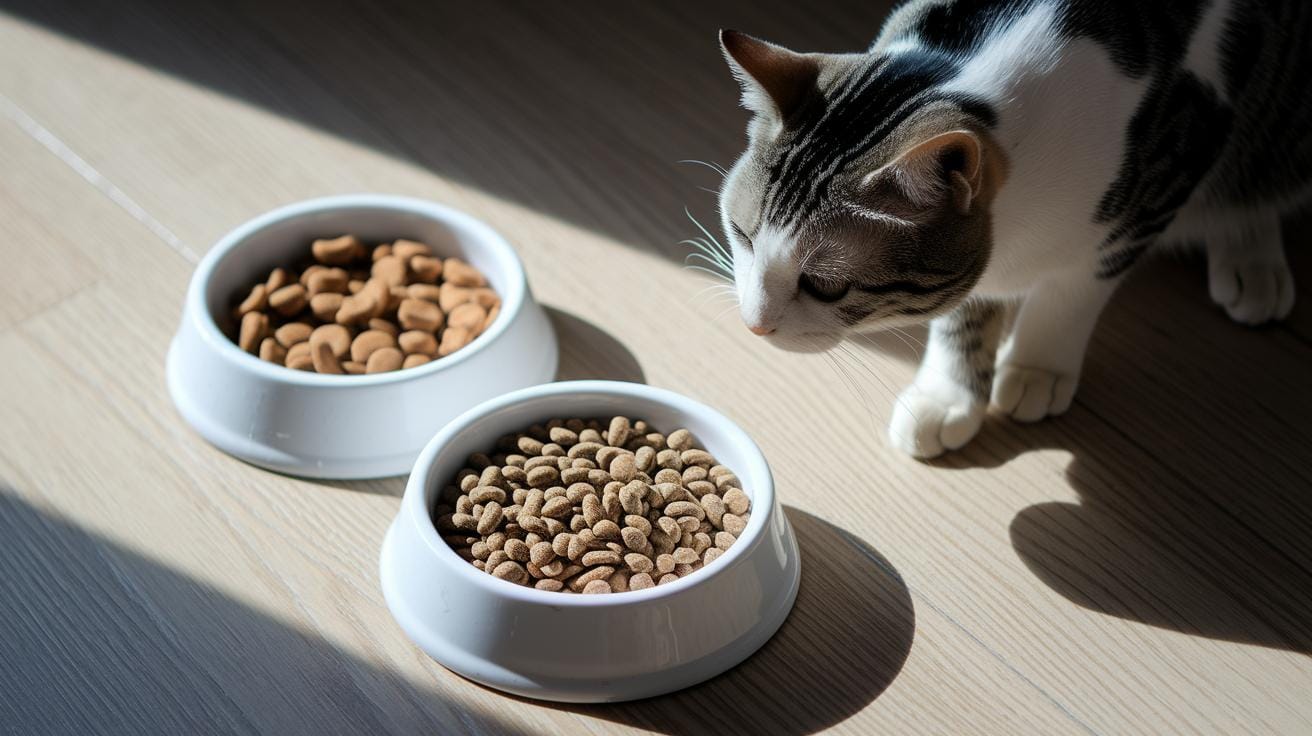
Let’s talk diet basics. Aim for at least 30% protein and 20% fat in your cat’s daily meals. Those numbers come from AAFCO (the group that sets pet food rules) and help keep muscles strong and energy high. Pick recipes that list a real meat (like chicken or salmon) first, not vague “meat by-products”.

Ever noticed your cat noodle through kibble and still seem thirsty? Wet food can be a hydration hero for cats who need a little extra water. The moisture helps kidneys stay healthy (think of it as a cat-friendly water boost) and keeps urine flowing. It might even cut down on those pesky hairballs. Bonus.

Next, rotate protein sources every few weeks. One month serve chicken, then try turkey, and follow up with salmon or rabbit. Switching things up mirrors how cats hunt in the wild and builds a balanced amino acid profile (the building blocks of kitty muscle). And it cuts the chance of sneaky food sensitivities popping up.

For busy cat parents, two or three smaller meals a day works wonders. Use a kitchen scale or measuring scoop so you hit your cat’s calorie needs without overdoing it. Smaller, frequent feeds can calm that mealtime frenzy and keep blood sugar steady. Your morning rush just got easier.

Sprinkle in variety with freeze-dried liver treats or a spoonful of canned fish broth. Your cat will perk up for the flavor and you sneak in extra nutrients. Just keep treats under 10% of daily calories so the main course still steals the show.

Stick to meat-first labels and you’ll see shinier coats, livelier pounces, and cozier cat naps. Optimal cat diet guidelines are simple to follow, and the payoff is endless purrs. Worth every paw-print.

Final Words

In the action, we saw why cats need meat (sharp teeth, tiny stomach, serious protein fans).
We went from their desert-dwelling ancestors to today’s couch-jumping friends.
We sorted must-have nutrients like taurine and why plants just can’t cut it.

We also looked at plant fillers, raw diet risks, and easy tips to tune a meat-based menu.
And when you ask are domestic cats omnivores or straight-up carnivores, you know which way it leans.
Here’s to happy paws, healthy meals, and cats living their best pouncing life.

FAQ

Are dogs omnivores?

Dogs are omnivores because they can digest both plant and animal foods, thanks to their salivary amylase and a longer gastrointestinal tract.

Are domestic cats omnivores or carnivores?

Domestic cats are obligate carnivores requiring meat-based diets because they lack enzymes to synthesize key nutrients from plants.

Why are cats carnivores and dogs omnivores?

Cats’ sharp teeth, high stomach acidity, and missing digestive enzymes limit them to meat, while dogs’ broader enzyme mix and longer guts let them process both meats and plants.

Are there any cats that are omnivores?

No cats are true omnivores. Wild and domestic cats are obligate carnivores that rely on animal prey for essential amino acids, fatty acids, and vitamins they cannot get from plants.

Do domestic cats eat meat and their prey?

Domestic cats eat meat and often hunt small animals, consuming muscle, organs, and sometimes bones to meet protein, fat, and micronutrient needs inherited from their wild ancestors.

Related Articles

Author

  • Nathaniel Price is a retired construction manager turned LLM writer, where he combines his years of experience managing complex projects with his love for crafting precise, engaging content.

    His work thrives on meticulously researching and writing about all things related to cats, from behavior to care, ensuring that every piece is informative and well-researched.

    When he’s not writing, Nathaniel enjoys fishing, which offers him a peaceful escape. He also has a deep appreciation for nature, often reflecting on his belief that “happiness is found in the quiet moments.”

    View all posts

Similar Posts