Ever peek at your fluffy friend crouched in the litter box, paws kneading the soft clay, and think a urinary tract infection (UTI) will just clear up on its own? I wish it worked like magic!
Bacteria are like tiny squatters. They latch onto the bladder lining (the soft wall that holds urine) and dig in deeper when you skip antibiotics. Ever watched a kitty scratch nonstop? That’s them trying to shake off those unwelcome bugs.
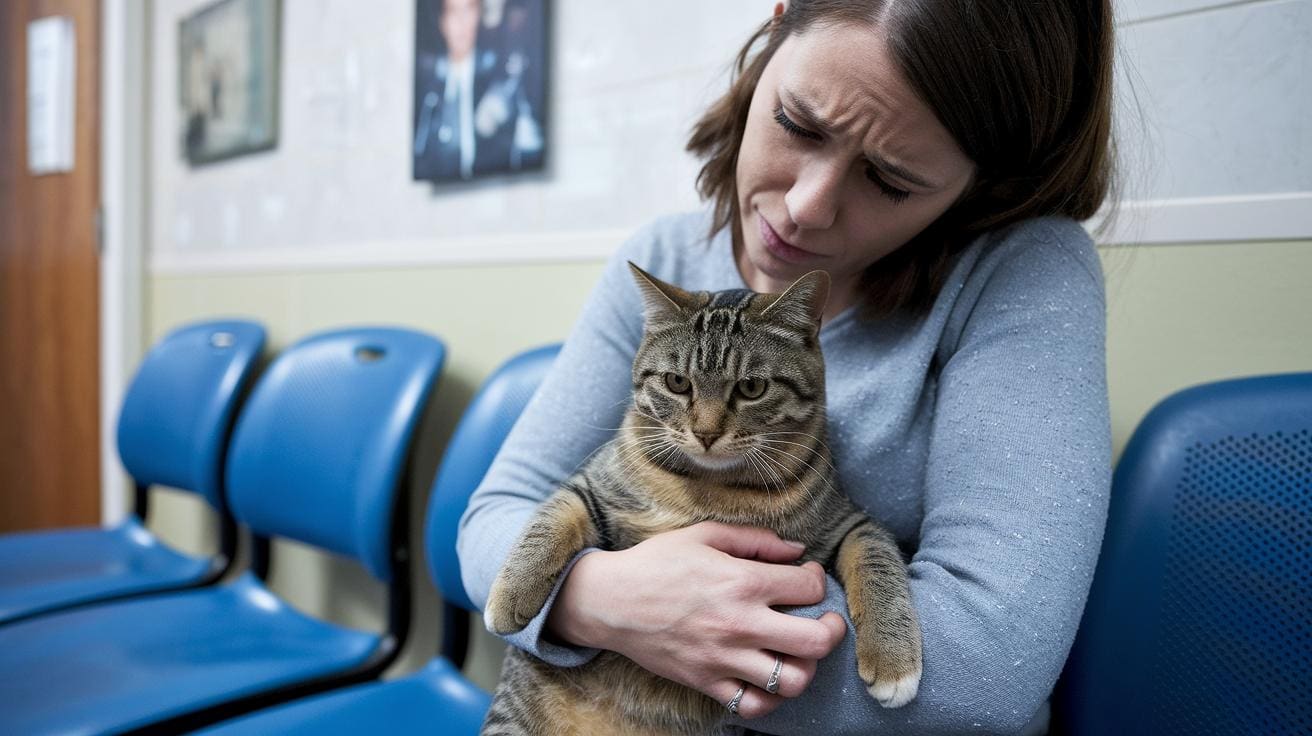
So no, UTIs don’t disappear overnight. You’ll need a vet visit and the right round of medicine to send those critters packing.
Worth every paw print.
do cat utis go away quickly?
Hey, ever noticed your kitty meowing in the litter box? Cats won’t shake off a urinary tract infection on their own. So if you’re asking, do cat UTIs clear up without antibiotics? The honest answer is no.
UTIs happen when bacteria sneak into the bladder and multiply. The bladder lining (the soft wall that holds pee) gets irritated and painful. Skipping a vet visit lets the infection dig in deeper. Your cat may avoid peeing or cry out in pain.
Leaving a UTI alone can lead to bigger problems. Bacteria might travel up to the kidneys (that’s pyelonephritis (a kidney infection)), or clump with debris to cause blockages. In the worst case, germs can enter the bloodstream and trigger sepsis (blood poisoning). Those are true emergencies that need fast care.
Antibiotics aren’t optional. Your vet will run a urinalysis (pee test) and a urine culture (growing the germs) to pick the right drug. You’ll give the full course of medicine, even after your cat seems better. Oops, that’s key, finish every dose.
Most cats start feeling better in two to three days. But don’t stop early. If you do, the UTI can come back, and nobody wants that litter-box drama all over again. Helping your kitty feel feline fine is worth every pill.
Recognizing UTI Symptoms in Cats
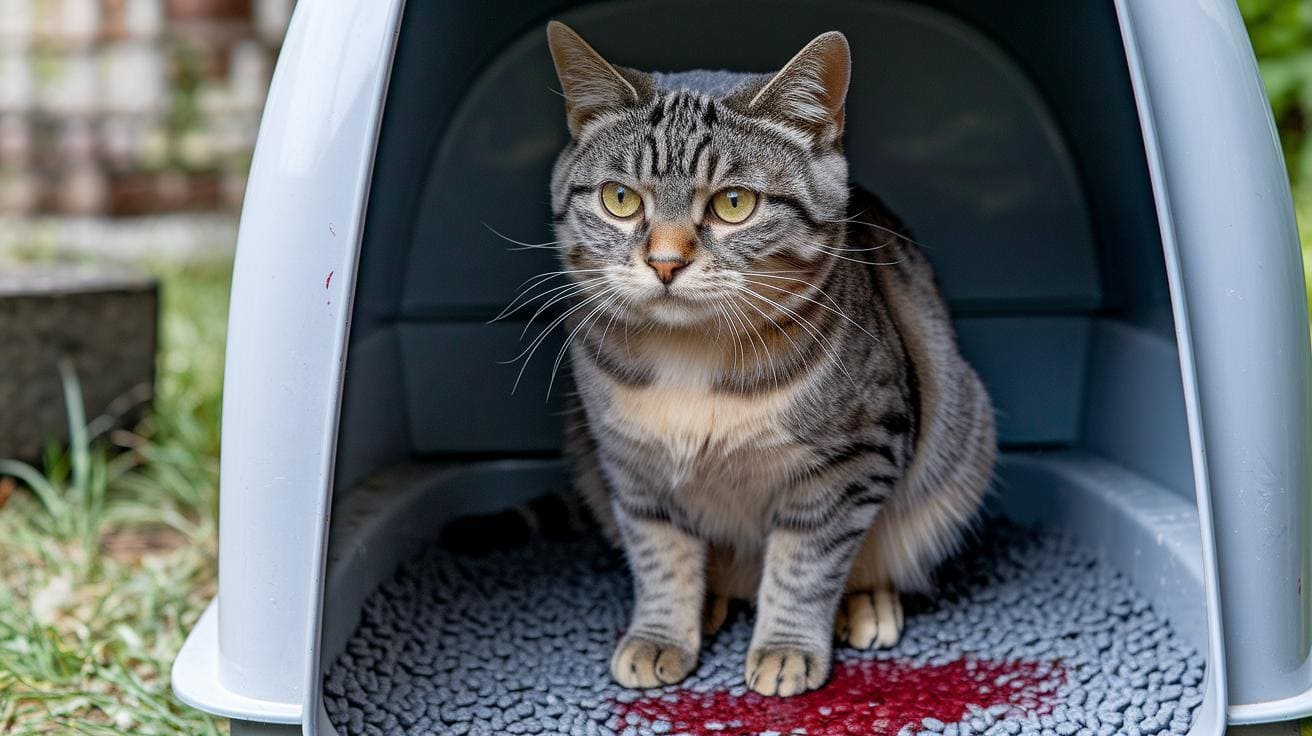
Ever caught your kitty dialing the litter-box hotline every few minutes? Catching a UTI early can spare your furry friend some serious ouch. It’s like hearing the gentle thud of a toy before it rolls under the couch. Those little hints matter. Keep your eyes peeled for these telltale signs:
- Increased litter-box visits: Your cat keeps darting in and out, like they just can’t get comfy.
- Struggling or painful peeing: Look for a tense back, a hunch, or a soft meow mid-stream.
- Blood in urine: Pink drops up to darker red puddles are never part of playtime.
- Peeing outside the box: A surprise accident on the rug often means the box feels too ouchy.
- Excessive genital licking: If they’re obsessed with grooming down there, it could sting or itch.
- Vocalizing while peeing: A gentle meow can turn into a yowl when it hurts.
- Strong urine odor: A sour, foul smell hints at bacteria having a party.
- Behavior changes: Hiding, acting lazy, or skipping meals often come with urinary discomfort.
Oops, I mean, these signs can also show up in other FLUTD (feline lower urinary tract disease) issues like crystalluria (tiny mineral crystals in urine) or idiopathic cystitis (bladder swelling with no clear cause). A vet visit is your best play, only they can figure out if it’s a UTI or something trickier.
What Causes UTIs in Cats and How They Affect Recovery
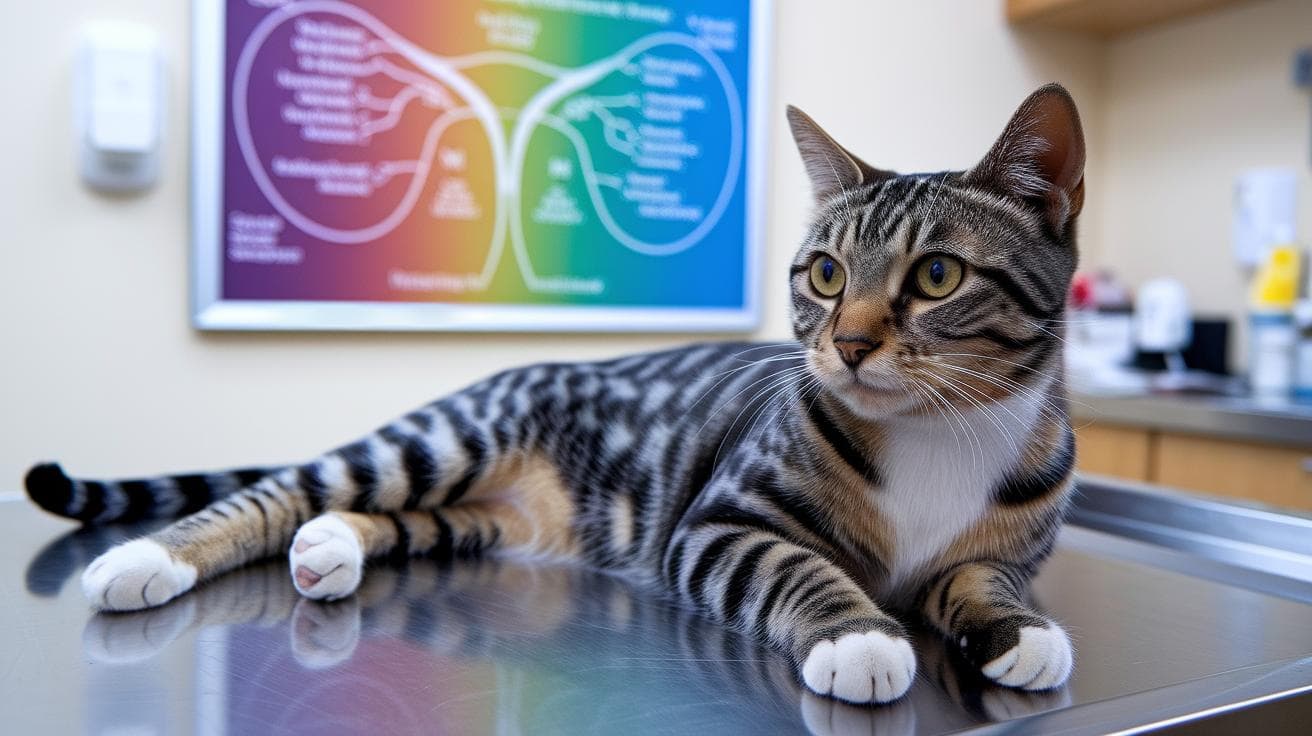
Ever seen your kitty meow when going to the litter box? That could be a urinary tract infection, or UTI. It starts when tiny germs from the gut or genital area climb up the urethra (the pee-carrying tube) into the bladder. Once they set up camp, the bladder lining gets inflamed and sore.
Certain health issues make it easier for bacteria to strike. Diabetes (high blood sugar) can weaken your cat’s defenses. Chronic kidney disease (when the kidneys’ filters wear down) and hyperthyroidism (an overactive thyroid gland) also give germs an open door.
Next, let’s talk minerals. Feline urinary crystals (mineral bits in pee that look like tiny rocks) and bladder stones can scratch the bladder wall and trap bacteria. Think of them as little rough spots that let germs hide and multiply.
Then there’s the kitty factor. Female cats face UTIs more often because their urethras are shorter, so bacteria have a quicker trip to the bladder. And when your cat doesn’t drink enough water, the urine gets thicker and bacteria just love that.
Obesity and arthritis can make grooming tough. A chubby cat might miss spots when cleaning, and stiff joints can hurt during a good scratch. All that leftover debris on the fur or skin can feed bacteria.
In truth, older cats get UTIs more easily, too, since their immune systems slow down. So if your senior friend starts hiding or seems extra grouchy, check for a UTI.
Recovery depends on what’s going on underneath the surface. A healthy, well-hydrated kitty with no bladder stones usually bounces back in days once on antibiotics. But if diabetes, kidney problems, or pesky crystals stick around, the infection can linger or come back.
Keeping an eye on your cat’s water bowl, weight, and overall health helps prevent UTIs and speeds up healing. After all, a comfortable cat is a happy cat.
Veterinary Diagnosis of Cat UTIs
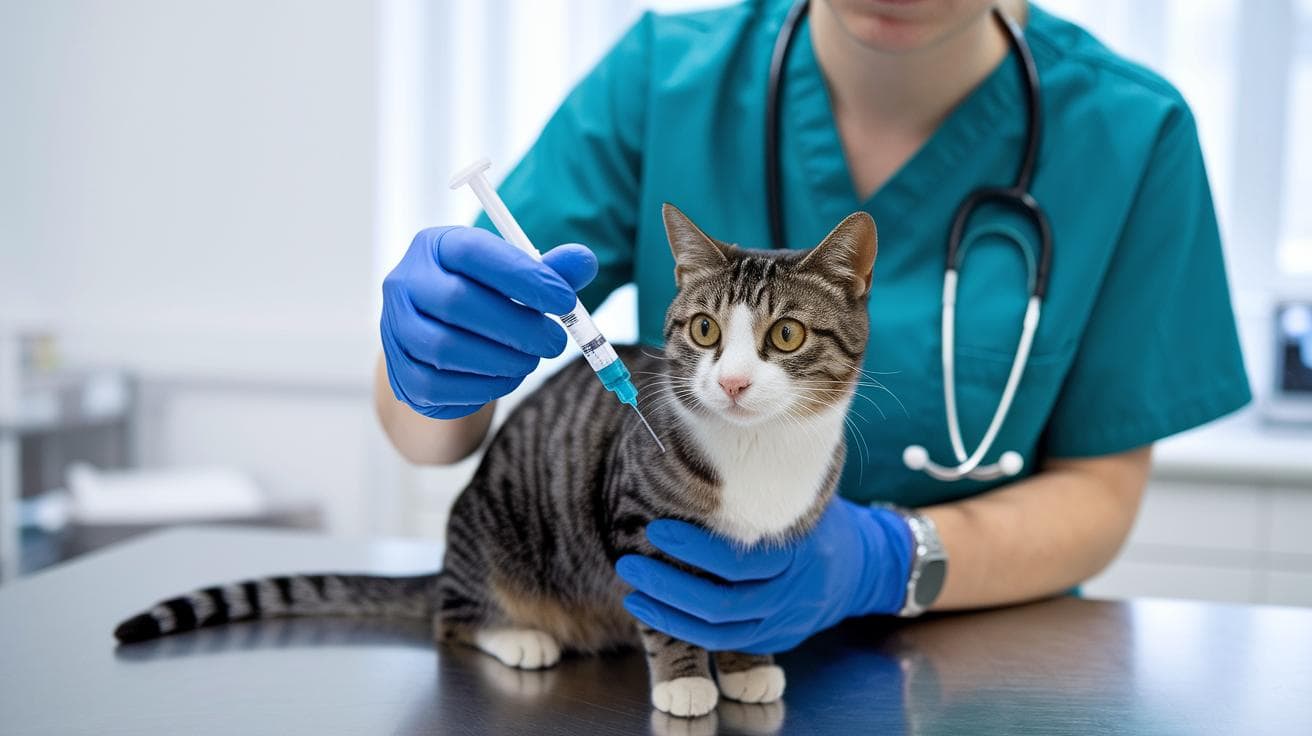
First, your vet gives your kitty a gentle belly rub to see if it’s sore, checks her hydration (making sure she’s not too thirsty), and asks about any odd peeing behavior. Ever noticed your cat straining or meowing in the litter box? That chat, plus a look at past UTIs, diet, and other health hiccups, helps your vet figure out if something like kidney trouble is lurking.
Next, it’s sample time. Your vet might shave a tiny patch of fur and use cystocentesis (drawing urine straight from the bladder with a small needle) to keep things clean. A pure sample means a spot-on urinalysis (examining pee under a microscope) that won’t get messed up by hair or litter.
Urinalysis & Culture
- They spin your cat’s urine to check sediment (solid bits) for bacteria, red blood cells, white blood cells, and any pesky crystals.
- Then they grow any bacteria in a urine culture (like planting seeds to see what sprouts), so they know exactly which germs are causing trouble.
- An antibiotic sensitivity test follows, showing which drugs zap those germs best.
- With results in hand, your vet picks an antibiotic that’ll hit the bacteria hard and fast.
Imaging & Stone Detection
- An ultrasound (sound wave imaging) or X-ray (radiation picture) scans for bladder stones or thickened bladder walls.
- Spotting stones early stops them from scratching your cat’s insides and causing repeat infections.
- Finding structural quirks means your vet can suggest surgery or diet tweaks, making sure future UTIs stay away.
Worth every paw-print.
Treating Cat UTIs: Medicines and Recovery Timeline
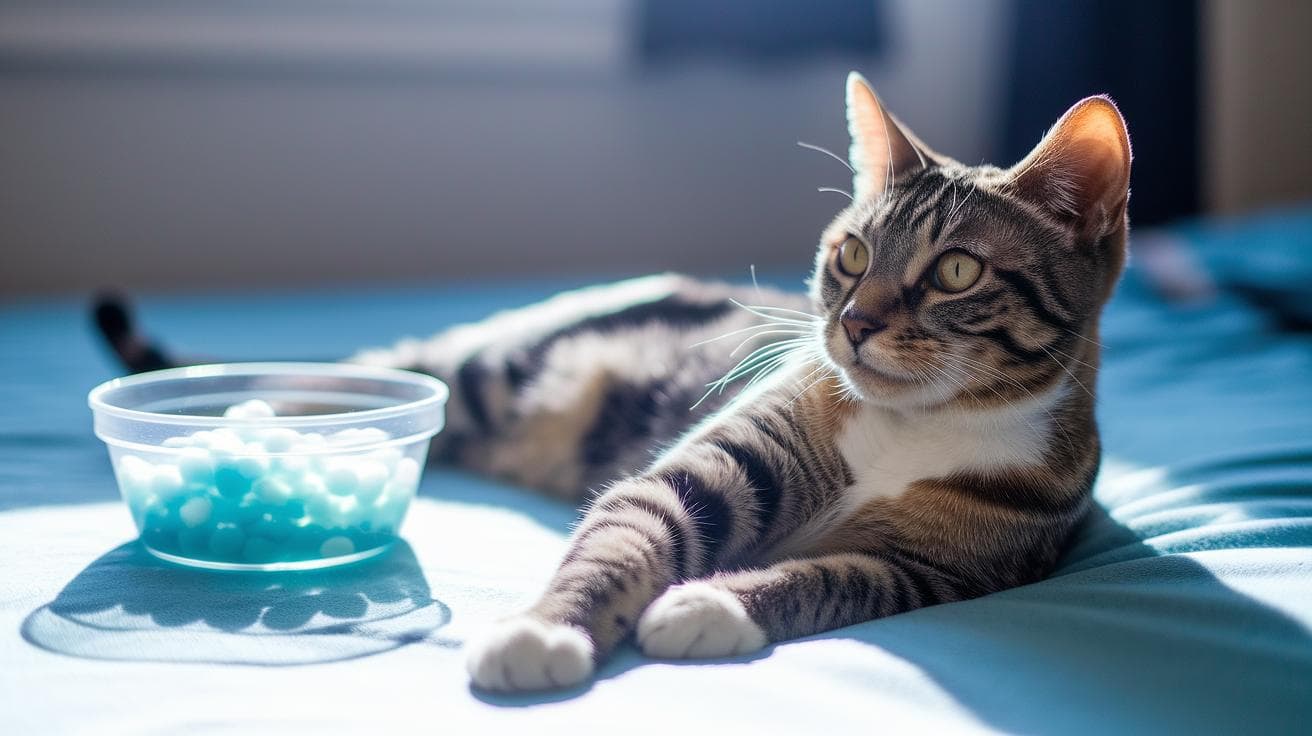
Antibiotics are a must. Your vet will run a culture test and choose the best one, often amoxicillin (a penicillin-type antibiotic) or enrofloxacin (a broad-spectrum antibiotic). You’ll give it for seven to ten days. Think of these meds as tiny guard dogs roaming your kitty’s bladder to chase out the bad bacteria.
Keeping your cat comfy is key. Vets usually add NSAIDs (nonsteroidal anti-inflammatory drugs) or other cat-safe pain relievers to soothe bladder ouchies. A relaxed cat strains less, meows softer by the litter box, and actually wants those tasty prescription kibbles or wet food.
Extra fluids help too. Dehydration makes pee thick and lets bacteria throw a party. Subcutaneous fluids (a little fluid under the skin) or IV fluids (dripped right into a vein) water your kitty from the inside out. You’ll see her perk up when hydration returns and she’s ready to play again.
Most cats start feeling better in 48 to 72 hours. You’ll notice fewer frantic runs to the litter box, gentler meows, and maybe even a flirty pounce. Stick with the plan and full recovery usually shows up by day seven to ten.
Uh, and never skip a dose or stop early. Leftover bacteria can regroup and sneak back in. Finishing every pill stops resistance and cuts the risk of a repeat infection. When the course wraps, your vet might do a quick urinalysis (a pee test) just to double-check. Now that’s peace of mind for you and pure joy for your purr machine.
Home Care to Support Cat UTI Recovery
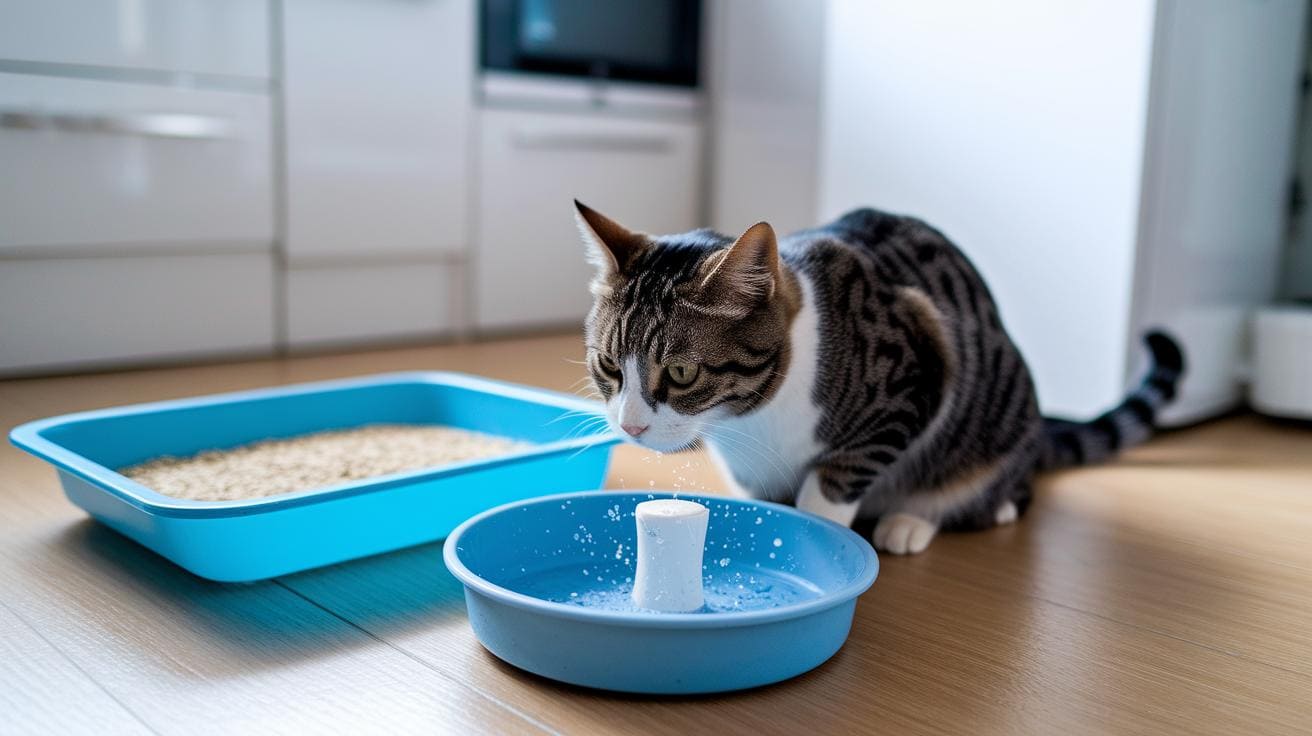
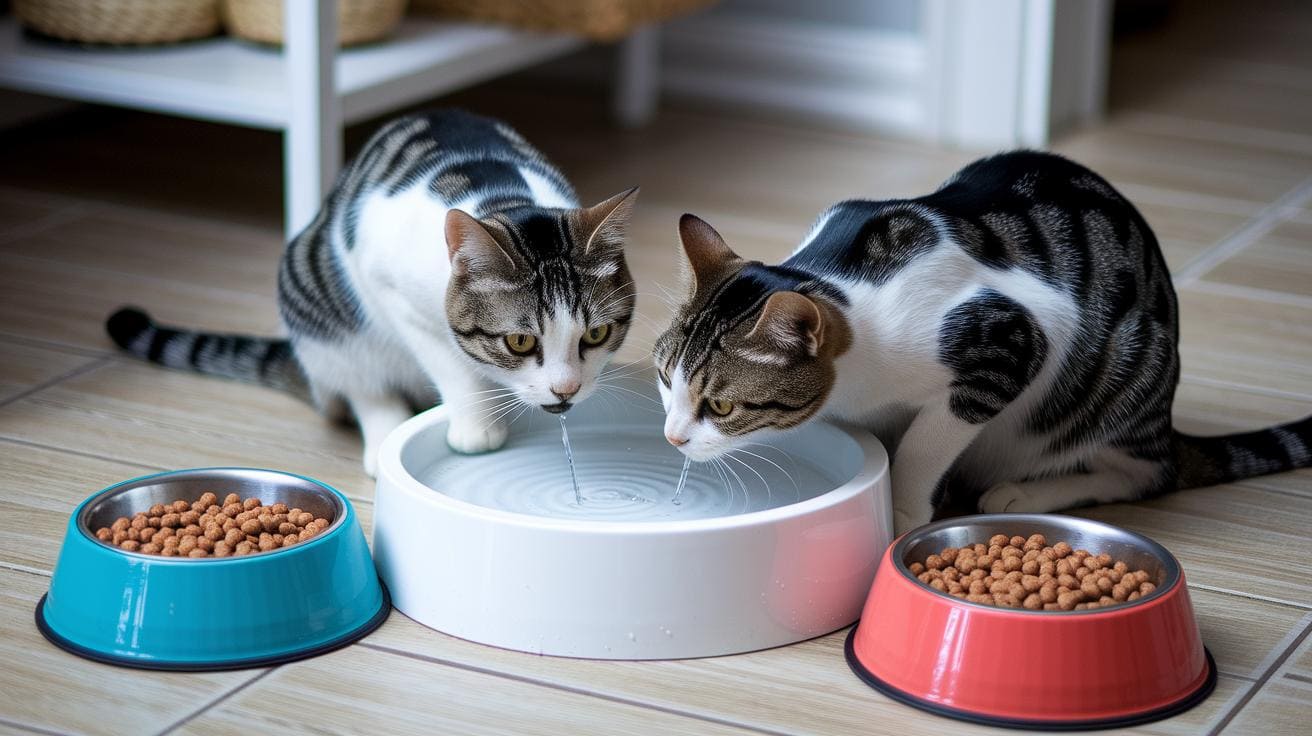
Watching your cat tiptoe around their water bowl? Not cool. Fresh water helps flush out lingering bacteria, so keep bowls topped off. Or try a fountain (circulating water often tastes better). Ever caught your kitty batting at that gentle stream? It’s like a mini water show.
Try these at-home comfort tips:
- Place water dishes in different rooms. That way your cat never has to hunt for a drink.
- Swap in wet food like canned pâté or gravy-style toppers. Moisture-rich meals help boost hydration.
- Scoop the litter box (cat toilet) twice a day and fully change it once a week. That cuts down on bacterial build-up.
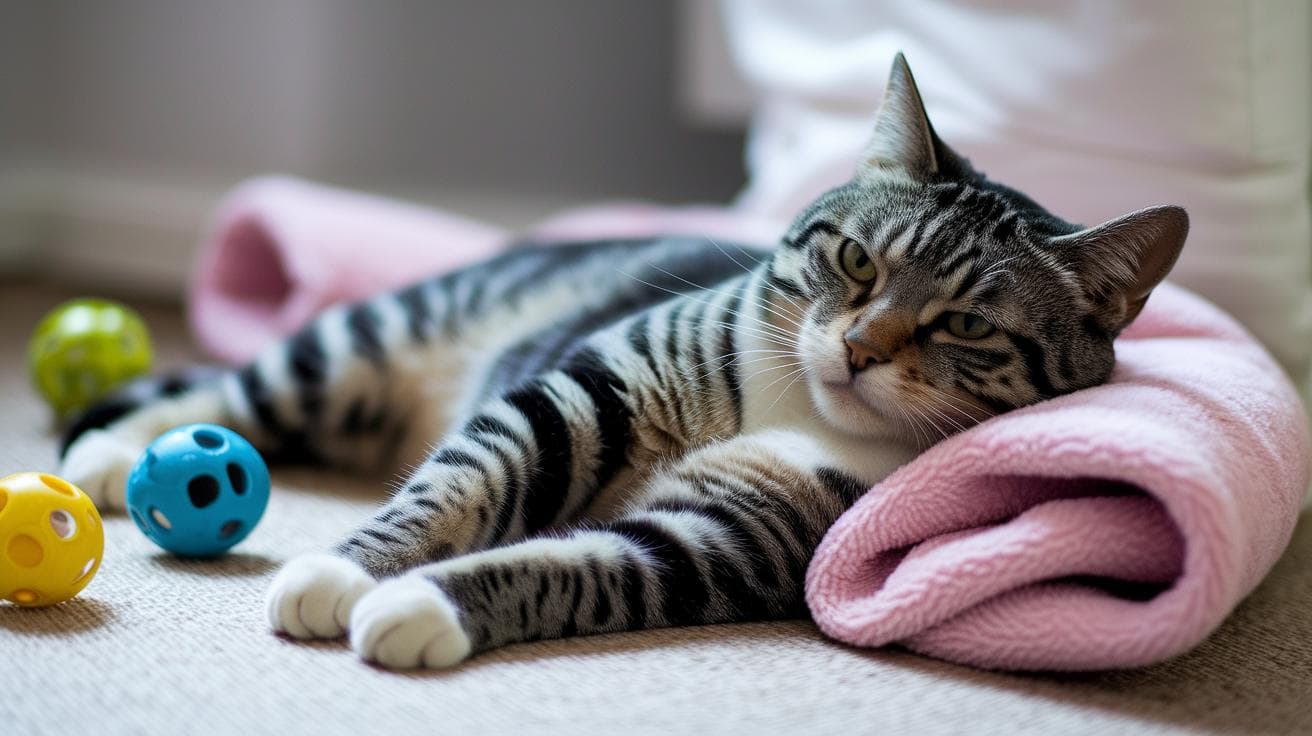
- Make a cozy chill spot with a soft bed in a quiet corner. Then toss in a teaser wand (like a fishing pole with feathers) for short, fun play breaks.
- Help heavier or stiff kitties stay clean by gently brushing their hindquarters. It prevents fur clumps (and dirt) from carrying germs.
Some folks try cranberry supplements or D-mannose (a simple sugar) to help UTIs, but there’s no hard proof they work on active infections. These fixes aren’t stand-ins for real medicine, you know.
Always check with your vet before adding any supplements to your cat’s routine. Supportive care should be a sidekick, not a substitute, for professional treatment of urinary tract infections.