
Ever think your cat’s nails grow at a snail’s pace? Think again. Those tiny razors shoot out 1 to 2 millimeters of new claw (about the thickness of a dime) every week. In 30 days, that adds up to 8 millimeters of new, pointy tips. That’s almost half a centimeter (roughly the width of your pinky nail) of fresh, sharp tips.
Kittens sprint ahead with even faster growth, um, sometimes over 2 millimeters each week. Couch-loving seniors barely add 1 millimeter as they slow down. Next, let’s see why regular trims keep your kitty comfy and your furniture scratch-free.
how fast do cat nails grow incredibly swiftly
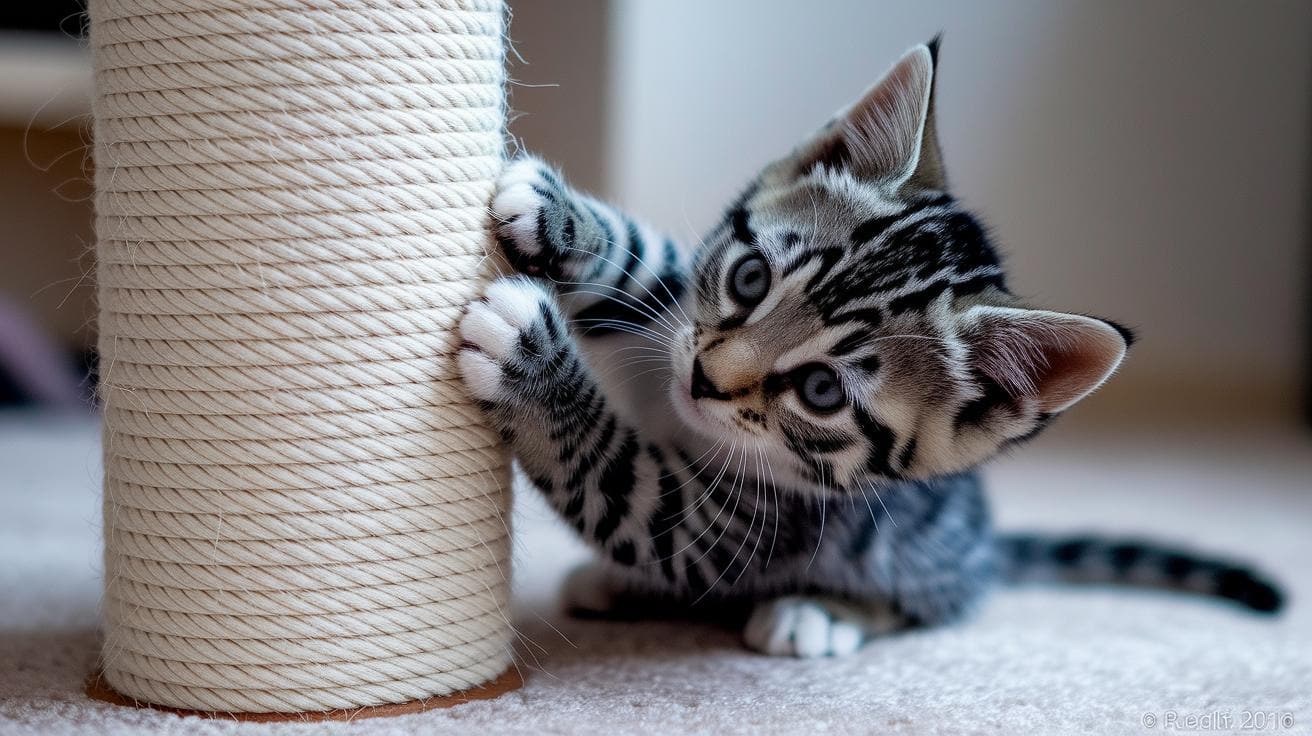
Ever wonder how fast your cat’s nails grow? Adult cat claws add about 1 to 2 millimeters (mm) each week. That stacks up to 4 to 8 mm in just 30 days – almost half a centimeter of fresh-new sharp. Whoa.
Kittens win the claw-growth race. Their little bodies churn out keratin (tough protein in hair and nails) faster than older cats, so those tips peek out sooner. Super-active breeds can be even quicker, while laid-back or senior felines take it slow, like a lazy afternoon nap.
Growth happens in the matrix (tiny tissue at the base of each nail). Since claws are retractable, they stay tucked away until it’s time for a sprint or scratch. If you’re curious, check out how how do cat claws work to see the full claw mechanics.
And here’s why regular trims matter. Clip today and you’ll notice fresh claw again in about a week.
| Time | New Claw Growth |
|---|---|
| Week 1 | ~1 mm |
| Week 2 | ~2 mm total |
| 4 Weeks | 4–8 mm |
Kitten nails push about 2 mm each week, while adult cats average closer to 1 mm. Keep an eye on those tiny razors so they don’t curl into paw pads. Worth every paw-print.
Factors Influencing Cat Nail Growth
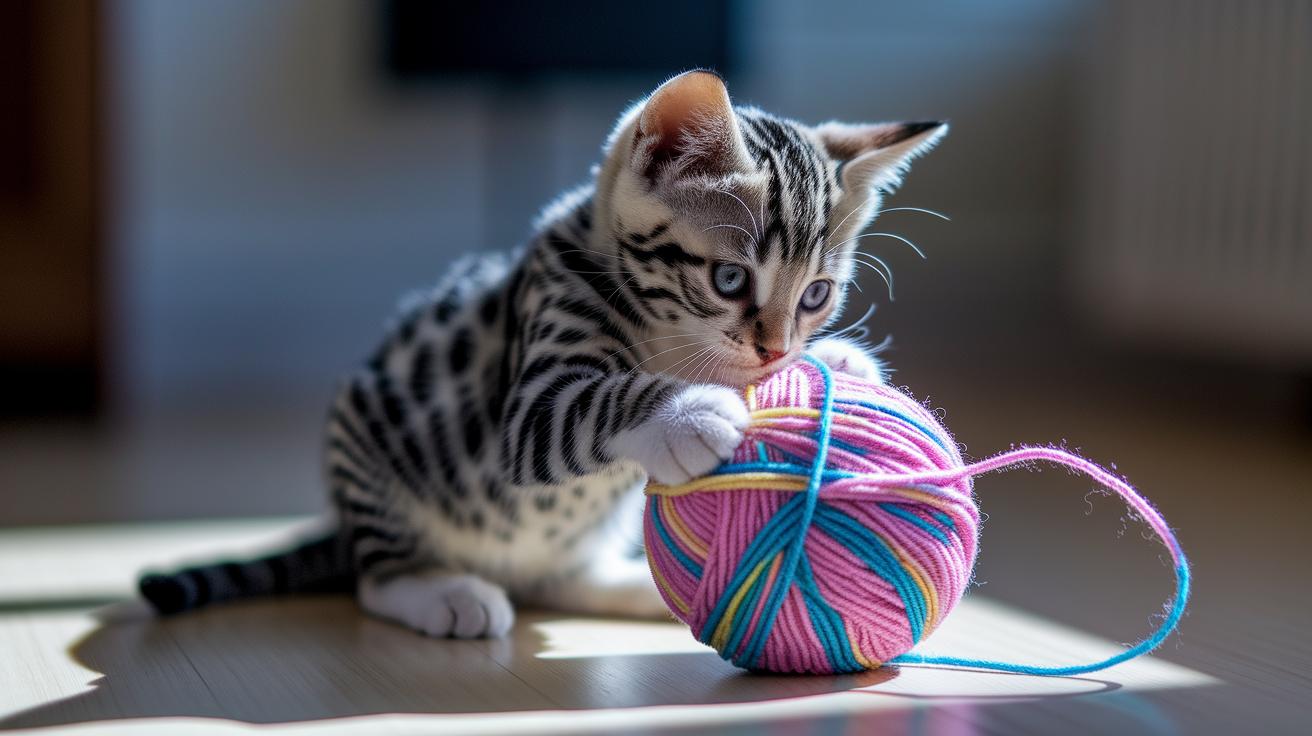
Factors affecting nail growth cover a cat’s age, breed, health, activity level, and even the season. Kittens grab the lead in kitten nail development at about 1–2 mm each week, sprinting ahead with fresh claw. Senior cats slow down, senior cat nail health often shows just half that growth, thanks to lower activity and shifting hormones (chemical messengers in the body).
Breed differences in growth really show when you compare a hunting-savvy working breed to a laid-back lap cat. High-jumpers and sprint champs wear new tips faster by bounding, scratching, and scaling furniture. Low-key cats leave fresh nail tip around for longer because they just chill.
Overall health matters, too. Poor nutrition or hormonal imbalance (a shift in body chemicals) can dial growth down, while a vet-approved diet rich in protein powers keratin (tough nail protein) production for stronger claws. Seasonal growth variations are subtle: spring and summer’s longer days spark more frisky play, nudging nail growth upward.
Watching these five factors helps you tune clipping routines so nails stay comfy, sharp, and ready for pounce. In fact, those shifts explain why two cats under one roof might need trims on very different schedules.
Indoor vs Outdoor Cat Nail Wear and Regrowth
Ever watched an outdoor cat roam? It’s like they have a built-in nail file. They scamper up trees, claws scraping rough bark (it feels like sandpaper on their tips). And when they scratch fences, you can almost hear that satisfying rasp.
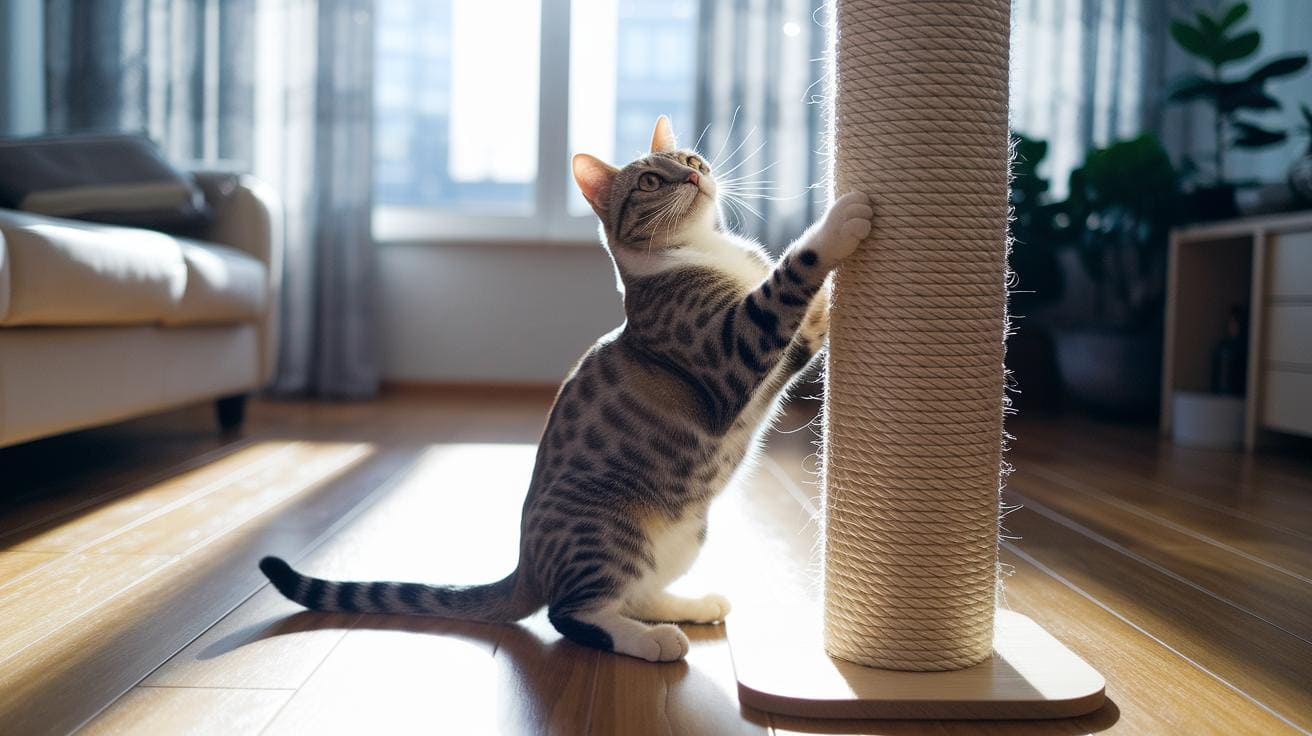
Indoor couch loungers don’t get that natural roughing up. Sure, a sisal post (plant-fiber rope scratcher) or cardboard scratcher (corrugated paper pad) helps. They offer healthy claw care and save your sofa fur. But they can’t claw their way down tips as well as real tree bark.
Carpet vs wood floors makes a feline-sized difference. On hardwood you’ll hear that click-click when nails meet the floor. On carpet, claws can sneak into threads or curl under. That trapped feeling can slow your kitty and even bend the tip inward. Yikes.
Most indoor cats need a trim every 10 to 14 days to avoid scratching trouble. Outdoor cats often stretch it to three or four weeks thanks to all that natural abrasion. Just press gently on the pad, once a week, and see how long the nail is. If it’s showing past the pad, time for a safe clip.
Kittens and seniors have their own paces. Tiny kittens might need a trim after just seven days of growth. Older cats might hang on a bit longer and that’s ok. You’ll get the hang of each cat’s rhythm.
Identifying Overgrown Cat Nails: Signs and Potential Issues
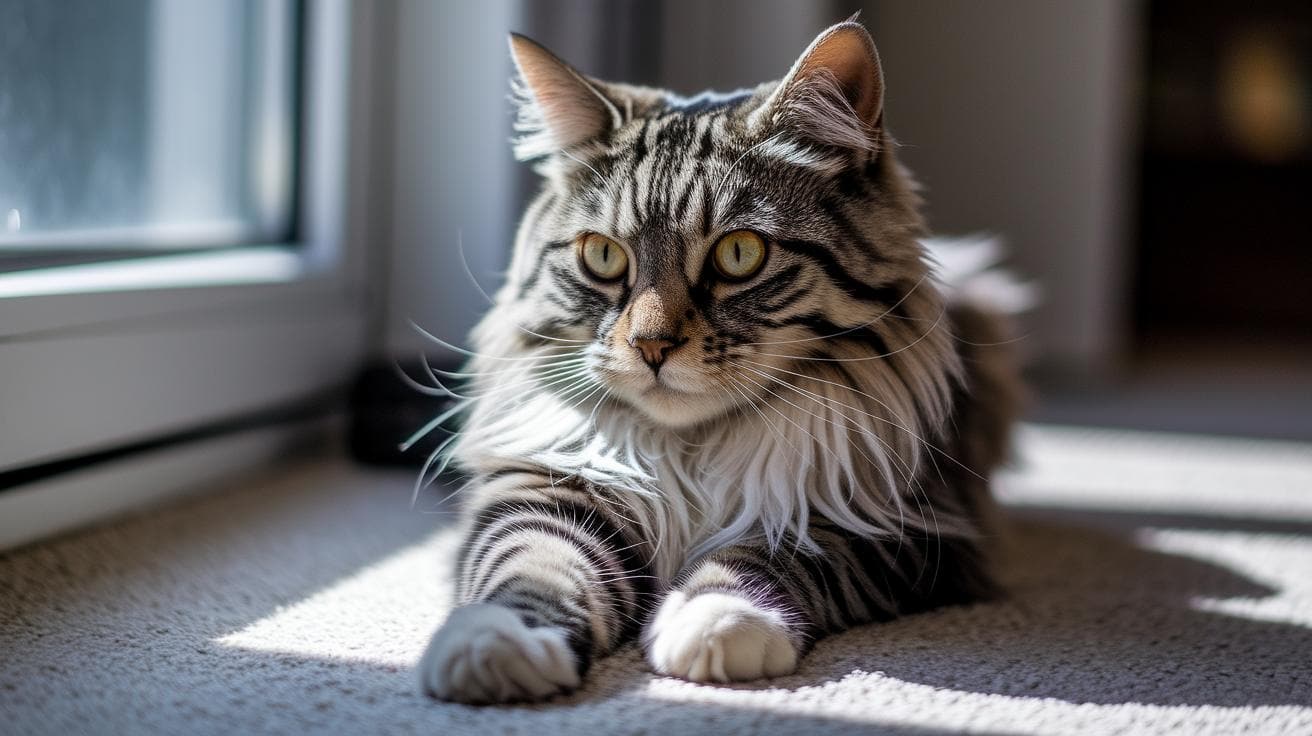
Letting those tiny paw razors grow too long is no joke. When a claw curls into the paw pad (the soft cushion under each foot), it can dig in sharp and really sting. If a claw pierces the skin, you risk infection and your kitty might start limping.
Look out for:
- A click-click on hardwood or tile floors
- Claws snagging on carpet or fabric
- Nails curving beyond the pad edge
- Claws that won’t fully retract into the sheath (the protective tunnel around the nail)
- Claws biting into the footpad with every step
- Limping or your cat acting hesitant to walk
Ever seen your kitty tiptoe like a circus performer?
Uh-oh. When nails grow past their normal curve, they can gouge flesh and invite bacteria. You might watch your furball skip her favorite jump or hold a paw up like it’s too hot. If things get rough, the vet may need to trim those overgrown claws and soothe any sore spots, so your cat can prance pain-free again.
Recommended Trimming Frequency and Safe Clipping Techniques
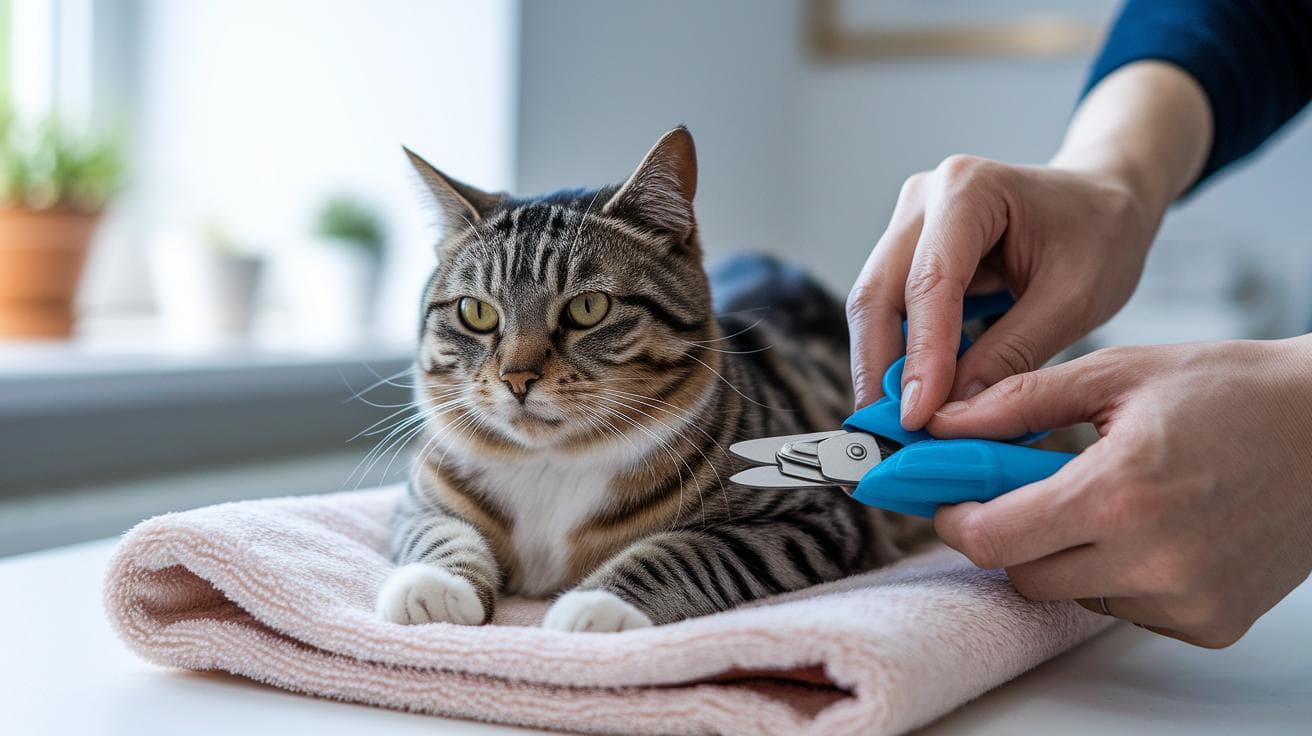
Vets say trim your cat’s claws every one to two weeks so new nails don’t curl into the paw pad. It’s like booking a spa day for tiny razors! Ever watched your kitty dig into the carpet with overgrown tips? Regular trims keep paws comfy and stop those ouch-inducing ingrown nails.
Gather your gear before you start:
- Sharp, cat-only clippers (think tiny guillotine or small scissors made just for paws)
- A soft towel to swaddle a wiggly friend
- Styptic powder (stops bleeding fast if you nick the nail)
Pick a calm moment, maybe after a cozy nap or a good dinner, when your cat is relaxed. Wrap her loosely in the towel, leaving one paw free. Press gently on the pad until each claw pops out, then find the quick (the pink inner part with nerves and blood flow).
Snip just 2 to 3 mm off each tip, cutting straight across the edge. Keep it simple. Keep it safe.
Oops, nicked the quick? Don’t panic. Dab a bit of styptic powder on the spot and it’ll clot fast. A quick “oops” and then back to soft strokes.
Turning this into a claw-taming habit takes a few days. Start with just one or two nails per session. Reward your kitty with, you know, the good treats that make her purr. Toss in a daily paw massage so she learns that nail time means snack time. Claw-tastic!
After a week or two of these tiny sessions, you’ll zip through all claws in no time. Your cat stays happy, and her paws stay pristine.
Worth every gentle snip.
Nutrition and Environment for Optimal Nail Health
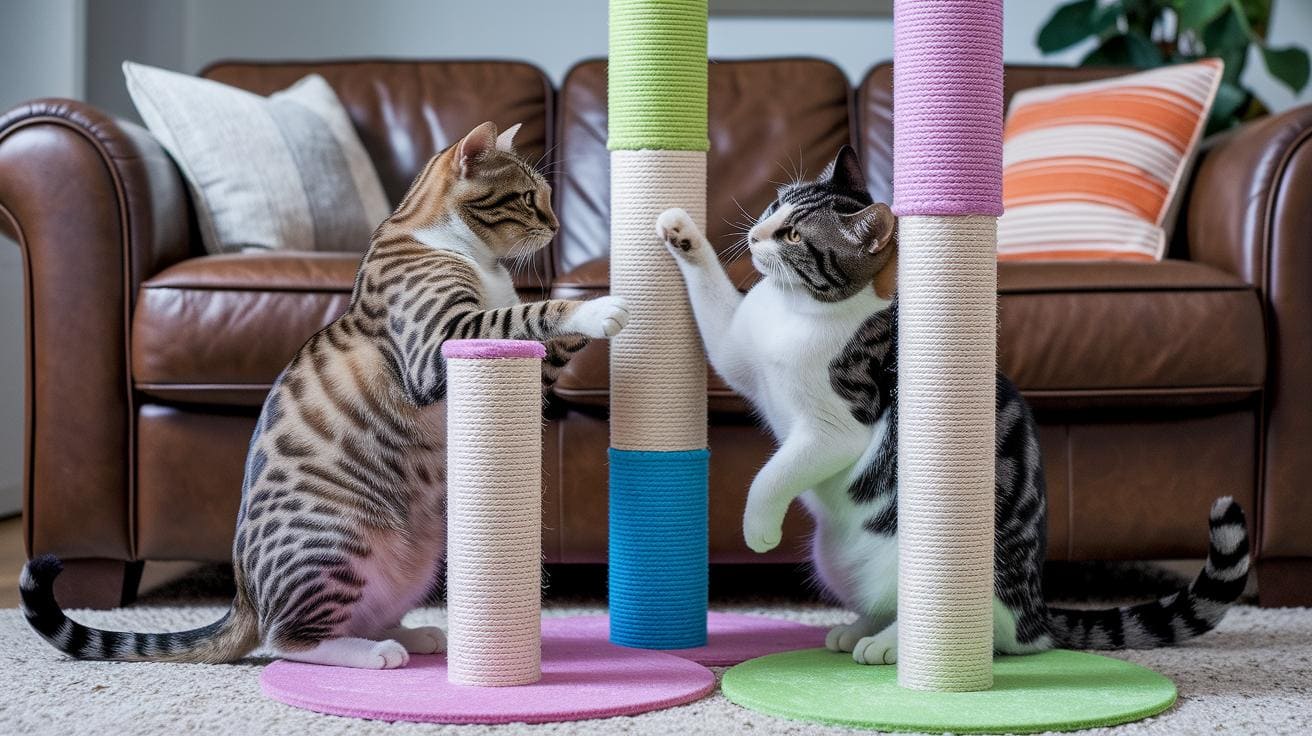
Good food is the secret to strong claws. A balanced diet with high-quality protein (the building blocks for your cat’s body) helps keratin (tough nail protein) grow strong. Toss in supplements like biotin (a nail-growth helper), vitamin E (a fat-loving antioxidant), and B vitamins (a team of helper nutrients) to fortify each claw. Plenty of water (the stuff that keeps tissues plump) makes sure cells in the nail matrix stay happy and reduces splits. You’ll see fewer broken tips and shinier, smoother claws, feline fine, right?
Cats love to scratch. Providing a mix of scratchers encourages natural filing and keeps claws busy on safe surfaces. A sisal post (plant-fiber rope scratcher) gives a rough texture that feels claw-tastic. Wood boards mimic tree bark, so your kitty feels like a wild hunter. Carpeted ramps let them dig in deep. Then rotate toys and scratchers, you know, switch things up now and then, to beat boredom and spark more play.
Ever looked at your cat’s paws and thought, “Hmm, something’s off”? Inspect paws weekly for chips, curls, or uneven wear. Catching tiny issues early means you avoid painful overgrowth. And with a strong diet, fun scratching spots, and plenty of hydration, your kitty’s claws stay in peak shape. Worth every paw-print.