Maine Coon Facts: Size, Care, Health, Temperament

Meet the Maine Coon. Big, fluffy, and weirdly into water, they feel more like gentle giants than your average tabby. Ever watched a huge cat splash in a puddle? It’s oddly charming.

Size and growth.
Maine Coons are one of the largest domestic breeds. Males often weigh 13 to 18 pounds, sometimes more, and females are usually 8 to 12 pounds. They also grow slowly, reaching full size around 3 to 5 years old, so expect kitten energy for a while.

Coat care made simple.
They have a shaggy double coat (two layers: a warm undercoat plus a longer topcoat that sheds moisture). Brush them a few times a week to prevent mats and to keep that fur feeling silky. During heavy shed seasons, bump up grooming, check behind the ears and under the belly, and maybe grab a wide-tooth comb. Many Maine Coons like water, so an occasional bath can be okay, and hey, it might turn into playtime.

Health basics you should know.
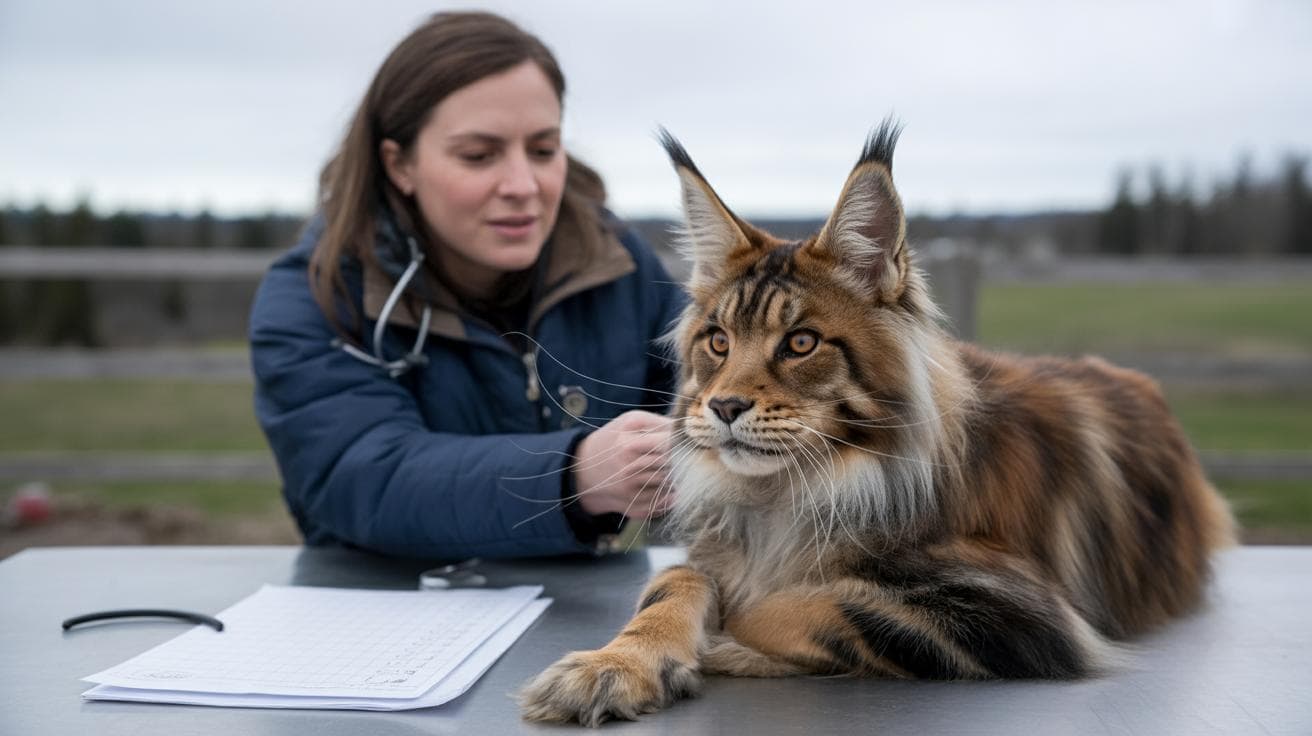
Common issues include HCM (a heart muscle condition), hip dysplasia (hip joint problems), and a genetic spinal condition called SMA (spinal muscular atrophy, which affects some muscles). Ask your vet about screenings: a cardiac ultrasound for the heart, hip X-rays if you see stiffness, and a simple DNA cheek swab for certain genetic tests. Regular wellness checks and watching their weight go a long way toward a long, happy life.

Personality and play.
They’re social, playful, and oddly loyal, think couch buddy who fetches a little. They trill and chirp more than they yowl, and they love interactive toys, puzzle feeders, and chasing a wand. For busy days, toss an unbreakable ball before you head out, that’s ten minutes of safe play. Ever watched a Maine Coon leap like a furry rocket? You will, and you’ll laugh.

Is a Maine Coon right for you?
If you’ve got space, time for grooming, and a soft spot for big personalities, they’re fantastic. They need vet checkups and a bit more maintenance than some short-haired cats, but the payoff is a friendly, playful giant who becomes family. Worth every paw-print.

Quick Facts , At-a-Glance Maine Coon Snapshot
- Quick Facts  At-a-Glance Maine Coon Snapshot.jpg

Bottom line: Maine Coons are big, friendly cats who often like water. They wear a shaggy double coat (two layers: a warm underlayer and a longer top layer that helps shed moisture) and have a gentle, playful vibe that makes them feel like a "gentle giant." Ever watched one tiptoe through puddles? Cute.

  • Typical lifespan: 9–15 years (veterinary sources, Cat Fanciers' Association and breed studies).
  • Typical adult weight: 9–18 lb (4–8 kg), though big males can push the upper end.
  • Record length (registered): 48.5 in (123 cm), per registry and Guinness World Records.
  • Record weight (largest verified individual): 30 lb (13.6 kg), according to breed records.
  • Longest tail length recorded: 17.58 in (44.66 cm). Imagine that tail swishing.
  • State cat designation: Maine, 1985. A proper hometown honor.
  • Common nickname: "gentle giant" , yep, they earn it.
  • Age to reach full adult size: 3–5 years. They grow slow and steady.
  • CFA recognition year: 1976 (CFA = Cat Fanciers' Association).
  • Polydactylism: Extra toes were common historically in some Maine Coon lines (polydactylism means extra toes).

See "Size, Growth Timeline & Weight Chart" for growth details; "Health Risks, Screening, Genetic Testing Checklist & Senior Care" for testing details; "Appearance: Identification Traits and Adaptive Functions" for ID traits.

Worth every paw-print.

Appearance: Identification Traits and Adaptive Functions

Maine Coons look big at first glance. They have a long, rectangular body and a broad chest that give them a low, powerful profile, built for balance and movement. They seem sturdy, not gangly, and can slip through snow or scramble up a tree with surprising grace. Ever watched your kitty launch from the couch and land like it was born to climb? That’s very Maine Coon.

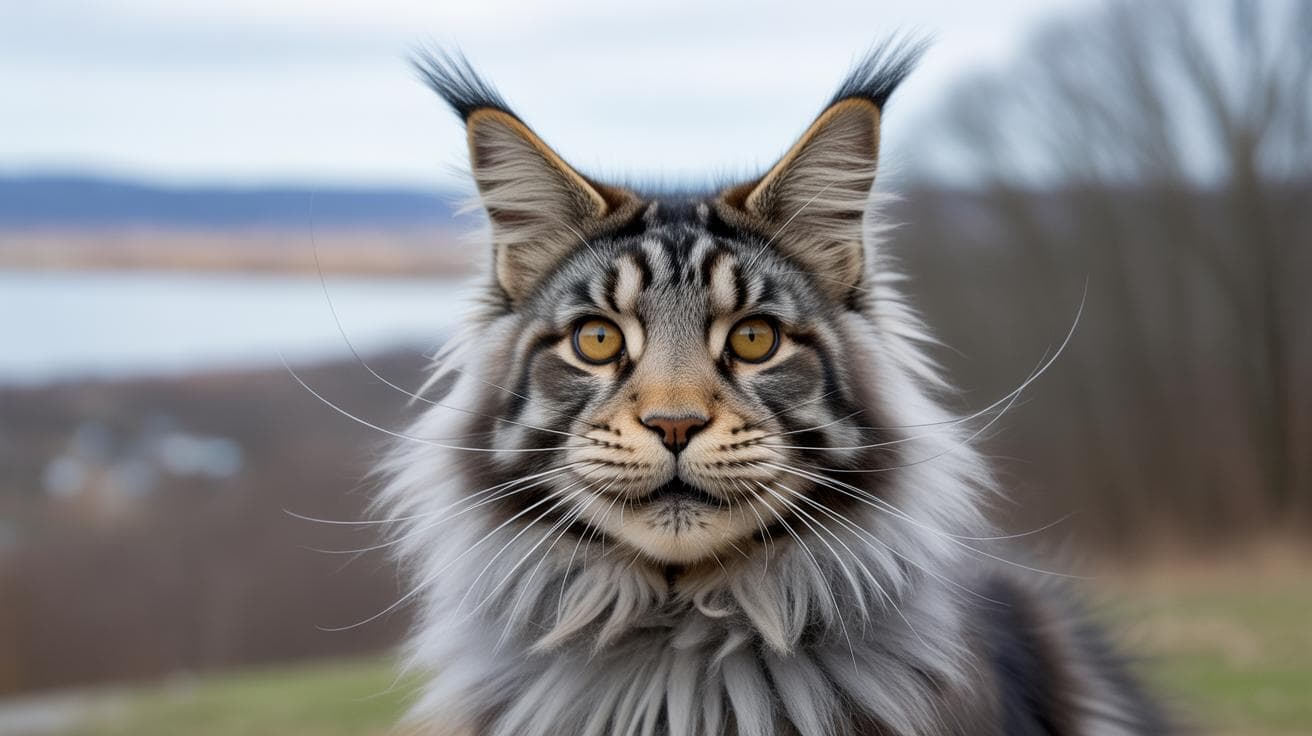
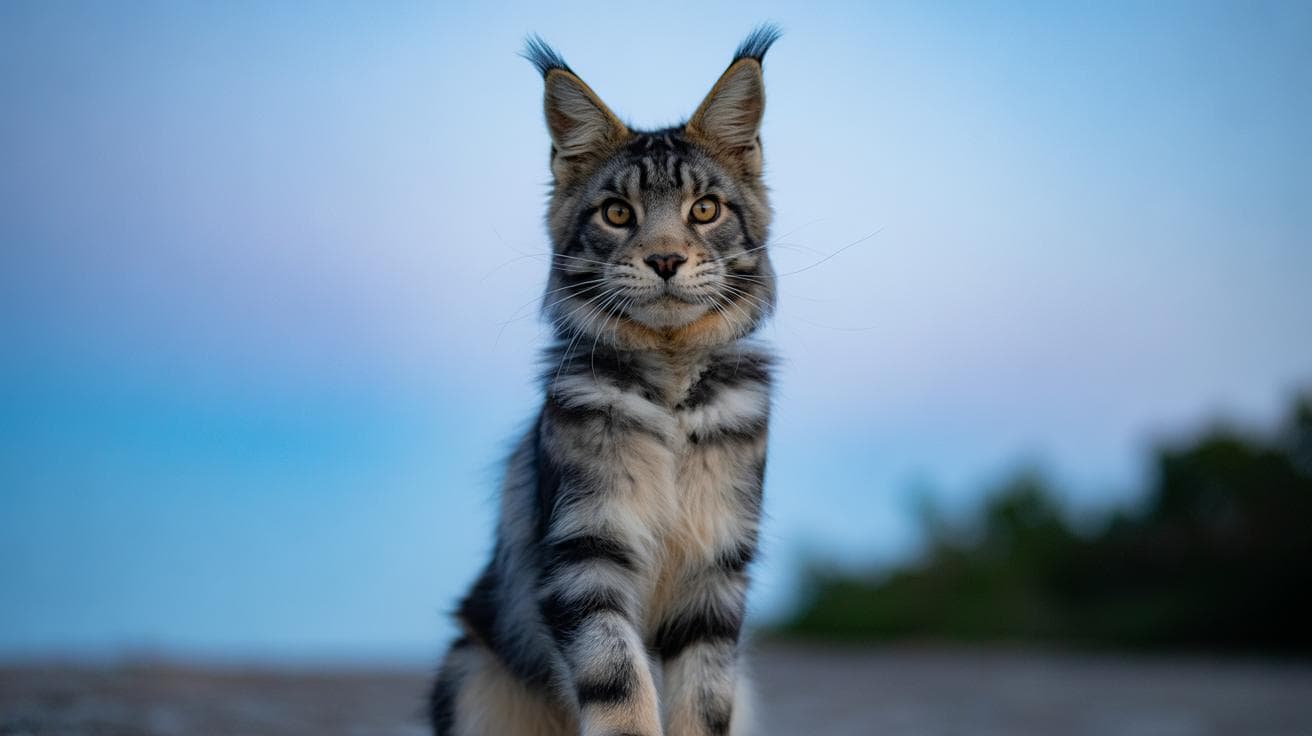
The face is memorable. A square muzzle makes the head look blocky and full of expression. Ears sit high and often have lynx-like tips and inner tufts (hair inside the ear that helps keep out cold and debris). Their eyes come in green, green-gold, yellow, or copper and usually look alert and curious, which fits their chatty, friendly vibe.

They wear a double coat (two-layer coat: a warm underlayer plus a longer top layer that helps shed moisture), so they stay comfy in wet, chilly weather without getting soaked through. The long, bushy tail is like a built-in scarf, wrap-around warmth and a windbreaker for the rump when the cat curls up. Coat length changes with the seasons, with thicker ruffs and longer belly fur in cold months to trap heat and shed slush. Nice, right?

Paws are wide and often look like little snowshoes. You’ll see toe tufts (extra hair between the toes that helps grip and insulate) and big, cushioned feet that make walking on soft ground easy. Polydactylism (extra toes) was common in some lines historically and still shows up in certain families. My cat once left perfect round prints in the snow, proof those paws work.

Notable adaptive features:

  • Ear tufts (lynx tips) – help protect ears and funnel sound.
  • Snow-ready paws – wide, padded feet for traction and warmth.
  • Waterproof outer coat – repels moisture so skin stays drier.
  • Bushy tail – wraps for warmth and helps with balance.

Common coat colors and patterns:

  • Brown tabby varieties
  • Mackerel tabby
  • Solid colors
  • White
  • Gray/blue shades
  • Rare mixes and combinations

Top-line numbers like weight, record size, and lifespan are in Quick Facts above. See Grooming for care instructions. Worth every paw-print.

Size, Growth Timeline & Weight Chart
- Appearance Identification Traits and Adaptive Functions.jpg

Maine Coons grow slow and steady. Think of them like a long-term project that pays off with majestic fluff and a big personality. Ever watched their paws get comically huge before the rest of them catches up? Cute and a little like watching time-lapse.

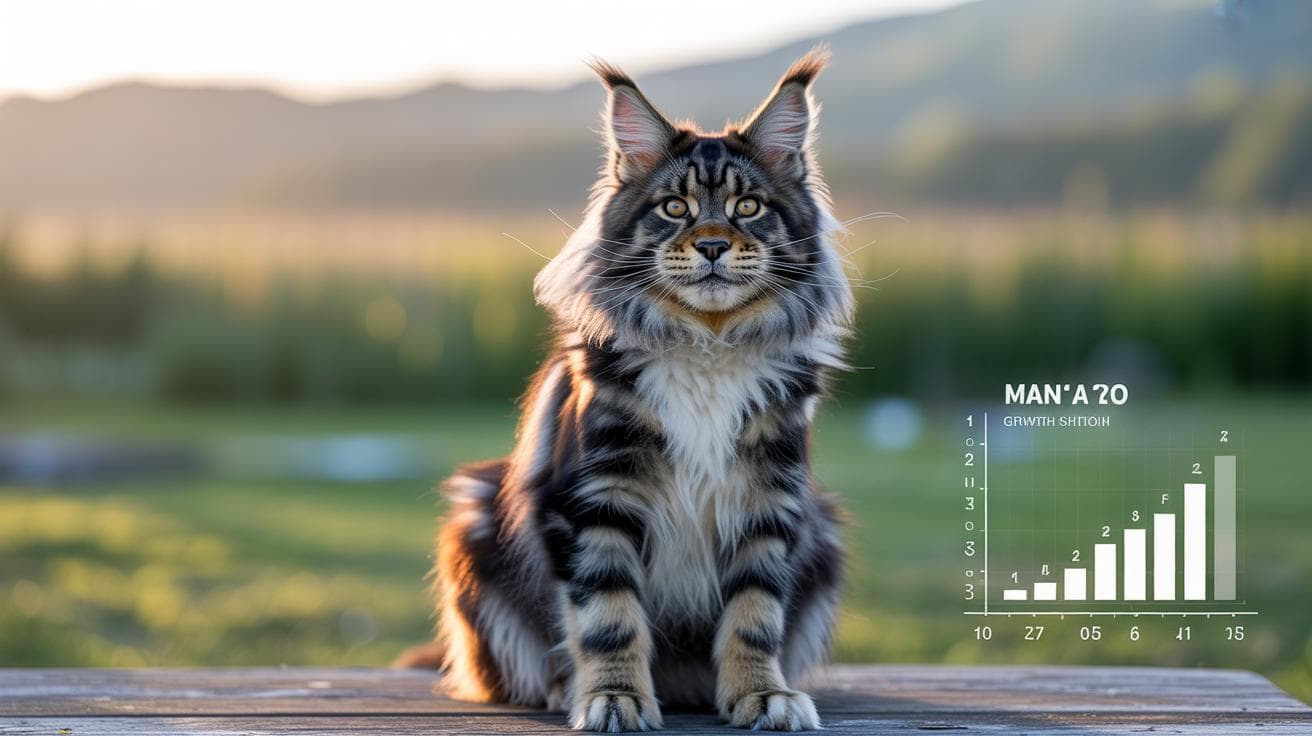
Males usually end up bigger than females, and many kittens keep filling out well after their first birthday. Early life milestones are simple to spot. 0–3 months is rapid kitten growth with lots of naps and short play bursts. 3–12 months is steady muscle and bone development as coordination sharpens. 1–3 years they keep filling out and getting stronger. By 3–5 years most reach final adult size, though some finish even later. Patience pays off. Worth every paw-print.

Keep an eye on weight trends and behavior to judge if growth is healthy. If your kitten suddenly loses weight, is very tired (lethargy, very low energy), or refuses food for more than a day or two, call your vet. Small problems can become big ones fast.

Age Range Expected Weight Range (male) Expected Weight Range (female)
0–3 months 1.5–4 lb 1.25–3.5 lb
3–12 months 4–12 lb 3.5–9 lb
1–3 years 8–16 lb 6–12 lb
3–5 years (final) 10–22 lb 8–16 lb

Further reading on growth pacing and weekly kitten metrics is here: when do maine coon cats stop growing.

Signs of healthy growth and red flags:

  • Steady weight gain following a consistent percentile curve (a growth chart showing how your cat compares to others).
  • Playful energy and normal activity for age; slow or floppy behavior can mean trouble.
  • Good body condition (ribs feel under a light layer of fat, not buried or overly visible); sudden thinness or a bloated belly needs a vet check.

History, Origin Theories & Timeline
- Size, Growth Timeline  Weight Chart.jpg

Most folks think the Maine Coon showed up in New England when long-haired European ship cats (working cats that rode on boats) mixed with local short-haired barn cats. The result was a big, tough cat built for cold, wet winters , thick fur that sheds water and big paws that handle snow. Sailors’ cats probably passed along traits like a water-resistant coat and excellent climbing skills, so these cats could hunt and hang on ships and docks.

There are some fun origin tales, but a lot of them are just stories. The idea that Maine Coons are part raccoon is impossible biologically , totally different species. The Marie Antoinette shipping story sounds romantic, but the timing and records don’t really back it up. And those tall tales about specific sea captains? Colorful, yes. Proof, not so much.

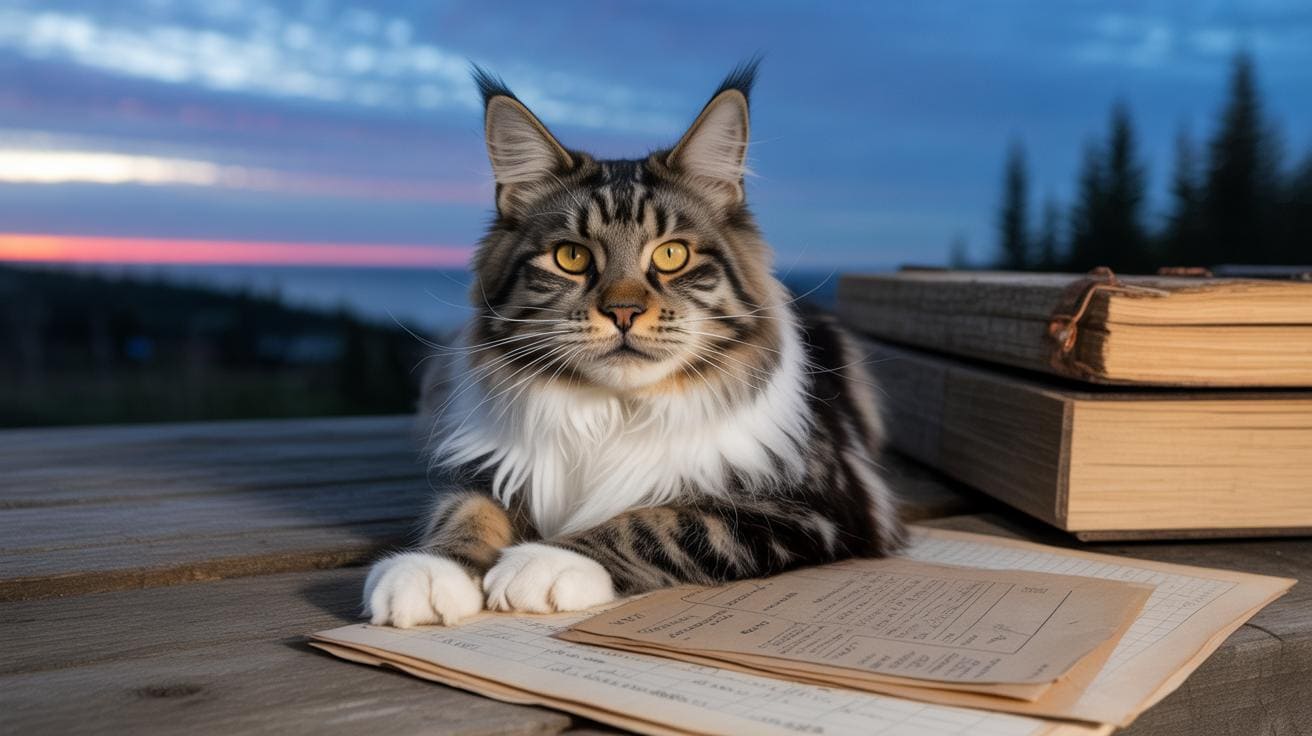
A few historical touchpoints help trace the breed’s path. In 1861 there’s the first recorded mention linked to Captain Jenks of the Horse Marines. In 1895 a brown tabby named Cosey won Best Cat at Madison Square Garden, which helped the breed get noticed. Populations dipped by the mid-1900s, and by the 1950s Maine Coons were getting scarce in some areas. Local Maine clubs stepped in around 1973 to revive breeding programs. The Cat Fanciers’ Association gave formal recognition in 1976, and Maine made the breed its official state cat in 1985.

Polydactylism (extra toes) was common in old Maine Coon lines and added to the breed’s early variety. Fun and odd stories keep popping up , remember the 2004 cloned kitten Little Nicky? That one stirred a lot of debate about cloning pets and made headlines.

Worth every paw-print.

Quick recap:

  1. Origin: New England roots with European ship-cat influence.
  2. Myth checks: no raccoon ancestry; Marie Antoinette story unlikely.
  3. Timeline highlights: 1861 mention, 1895 show win, mid-1900s decline, 1973 revival, 1976 CFA recognition, 1985 state cat.

Temperament, Behavior & Training
- History, Origin Theories  Timeline.jpg

Maine Coons are famously friendly and easygoing, social and curious, and they really love people. They often act like a polite, slightly goofy roommate who wants to be where you are. You’ll hear lots of little chirps and trills instead of big yowls, like a running commentary on your day. They’re moderately active: playful and athletic, but happy to nap for long stretches between zoomies.

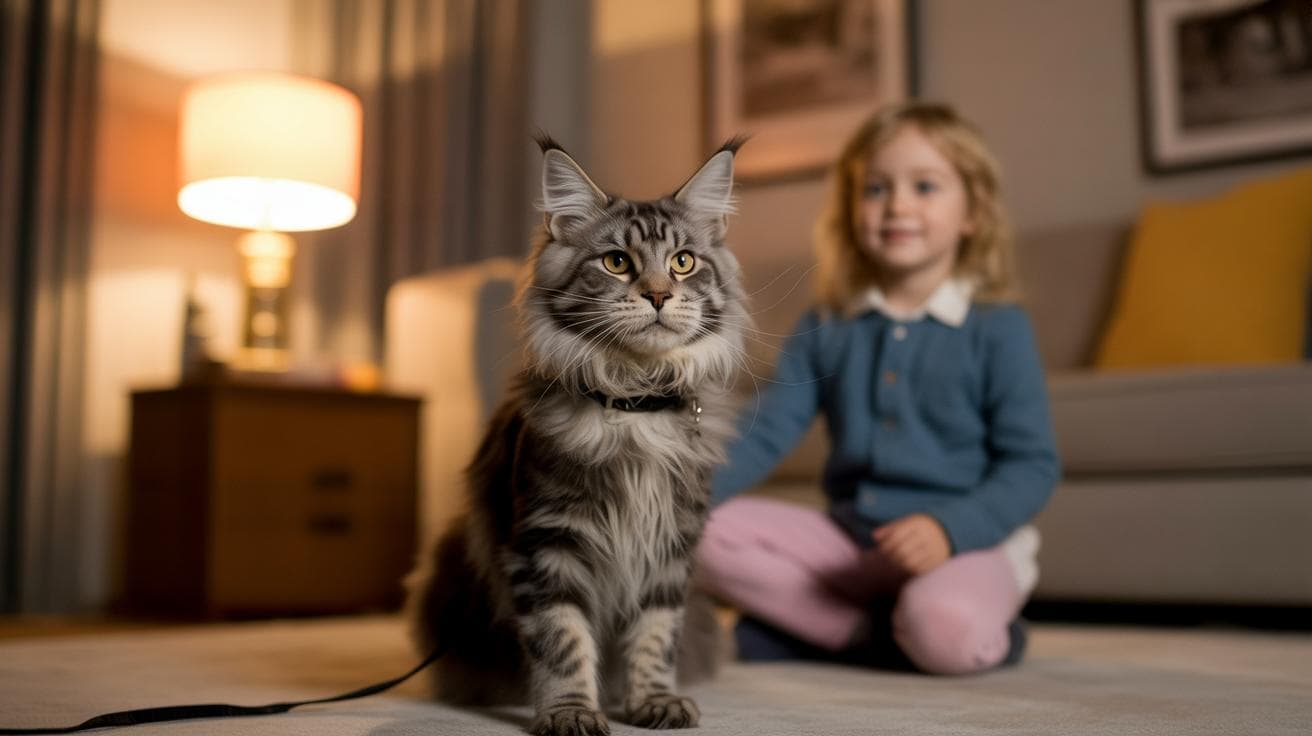
They’re smart and very trainable, which is why owners sometimes call them dog-like. Try short, tasty training sessions with praise , think three to five minutes, and repeat. For leash work, follow these simple steps:

  1. Let the cat wear a lightweight harness (a small vest-like strap that fits around the chest) around the house so it gets used to the feel.
  2. Do clicker (small training device) or treat practice while the harness is on, rewarding calm behavior and forward walking.
  3. When your cat is comfy, attach a short leash and practice slow, short outdoor strolls, adding time bit by bit.

Training should be patient and upbeat. They respond beautifully to positive reinforcement , treats, praise, and a little silliness. For more on friendliness and household fit see are maine coon cats friendly.

These cats are great with kids and other pets. They’re usually tolerant and playful, and many even enjoy water play more than other breeds. Supervised splash sessions or a shallow water tray can be a blast. They do best with mental and physical outlets so they don’t get bored.

Try these enrichment ideas to keep your Maine Coon happy:

  • Food puzzles for slow feeding
  • Wand toys for stalking practice
  • Fetch drills with soft toys (yes, many love fetch)
  • Short, frequent harness practice sessions
  • Wide, sturdy climbing shelves and condos for big leaps
  • Supervised shallow water play or sink baths
  • Positive reinforcement with treats, clicker, and praise

Ever watched your cat’s whiskers twitch as a toy rolls by? It’s magic. For questions about a cat’s socialization history, see Adoption, Cost, Questions to Ask & Ongoing Care.
Grooming: Tools, Frequency & Practical Care

- Temperament, Behavior  Training.jpg

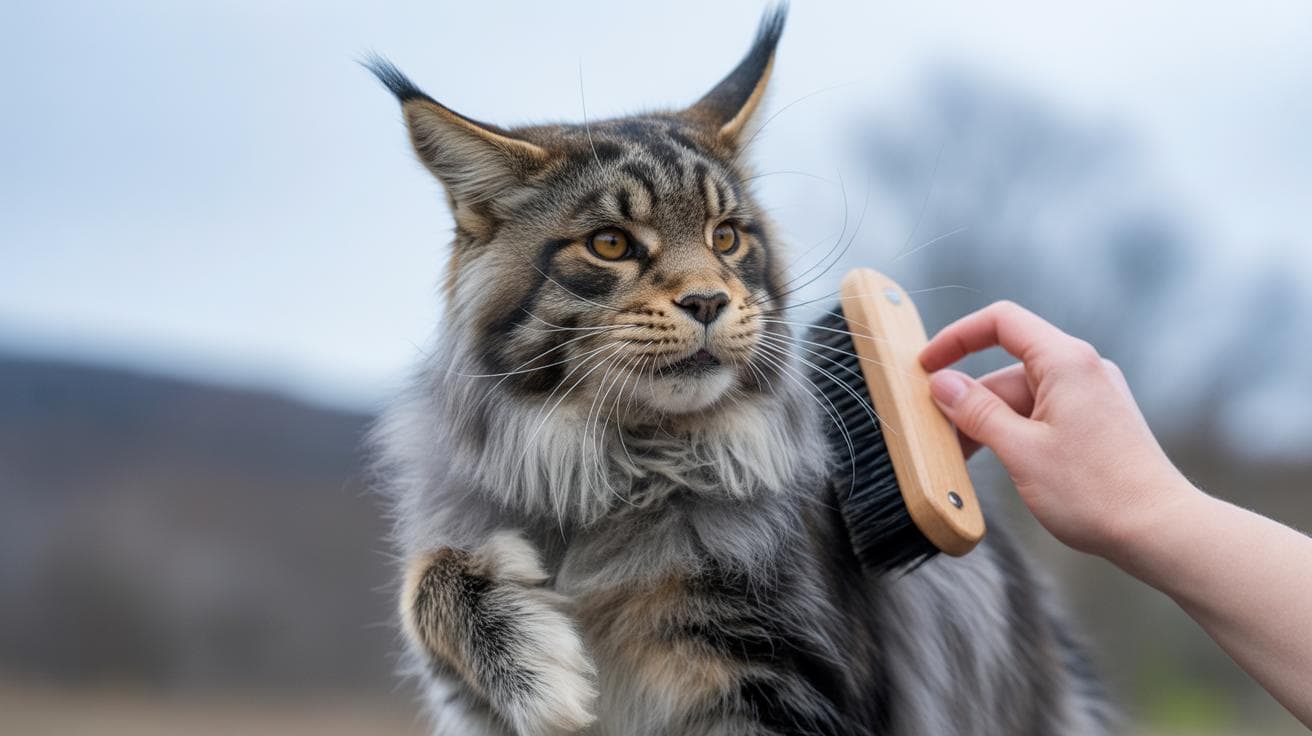
Routine grooming keeps a Maine Coon comfy and cuts down on those hair tumbleweeds around the house. Short, calm sessions build trust, help remove messy mats, and give you a quick health check for skin, lumps, or fleas. Think of it as a quiet check-in that saves you vacuum time later.

Brush several times a week. During heavy seasonal shedding, brush daily. Keep sessions short and relaxed. Lift the fur as you go to find hidden tangles , belly, behind the legs, and under the collar area are common trouble spots. Ever watched your cat’s whiskers twitch as you roll a comb along their back? It’s oddly satisfying.

Many Maine Coons will tolerate water, so introduce baths slowly. Use a cat-formulated shampoo (gentle cleanser made for cat skin) and lukewarm water, rinse thoroughly, towel dry, and give treats after , positive reinforcement makes a big difference. If your kitty freaks out, back off and try shorter baths or spot-cleaning instead.

Trim nails every 2–6 weeks, depending on how much they wear down naturally. Clip just the tip. Brush teeth 2–3 times a week with a pet toothbrush and feline toothpaste (do not use human fluoride toothpaste). If you see tartar, bad breath, or red gums, schedule a professional dental cleaning.

Call a professional groomer when mats are too tight to remove safely, when your cat strongly dislikes home grooming, or for big seasonal blowouts. Look for a groomer who’s used to large, calm cats. A good pro can trim sanitary areas, thin heavy tangles, and teach you at-home tricks so your sessions stay short and pleasant.

Worth every paw-print.

Grooming checklist:

  • Slicker brush (fine bent wires) , removes loose undercoat and gently works out tangles.
  • Wide-tooth comb (spaced teeth) , follow up after the slicker to find and finish smaller knots.
  • De-shedding tool (reaches beneath the top fur) , use sparingly to pull dead undercoat.
  • Nail trimmers (scissor or guillotine-style) , trim every 2–6 weeks, clip only the tip.
  • Toothbrush (pet toothbrush) , brush 2–3x weekly with cat-safe toothpaste.
  • Detangling spray (leave-in conditioner for fur) , spot-use on stubborn knots before combing.
  • Mat-prevention steps , daily short handling, work in small sections, never yank a mat.
  • Carrier prep for vet or groomer trips , leave the carrier out with a towel and a treat so it smells like home.

Quick tip: for busy days, give a fast brush session before you head out , that little bit of attention buys you calm, clean floors, and a happy cat when you return.

Health Risks, Screening, Genetic Testing Checklist & Senior Care

- Grooming Tools, Frequency  Practical Care.jpg

Maine Coons are big, sturdy cats, but they do have a few breed-linked health issues to watch for. The main ones are hypertrophic cardiomyopathy (HCM – heart-muscle thickening), hip dysplasia (hip joint misalignment), spinal muscular atrophy (SMA – a genetic nerve-muscle condition), and polycystic kidney disease (PKD – cysts on the kidneys). Less dramatic but common problems include obesity, urinary tract trouble, and inflammatory stomach or bowel issues.

Preventive care is surprisingly simple. Regular vet exams, weight checks, dental cleanings, parasite prevention, and feeding that matches your cat’s activity level go a long way. Brush those teeth, do short play sessions, and watch body condition. Your cat’s whiskers will twitch as the ball rolls across the carpet, and small daily habits add up to fewer vet surprises.

Senior Maine Coons often need a few comfort upgrades. Soft ramps, low-sided litter boxes, padded beds, and joint-support nutrition like glucosamine (joint-support supplement) can really help. Keep play gentle, watch for stiffness or slower movement, and talk to your vet early about treatments or pain relief so your kitty stays comfortable.

Common conditions and recommended screening

  • Hypertrophic Cardiomyopathy (HCM) – echocardiogram (heart ultrasound that takes a snapshot of the muscle).
  • Hip Dysplasia – radiographs (X-rays) and a weight-management plan.
  • Spinal Muscular Atrophy (SMA) – DNA test (genetic screen for the SMA mutation).
  • Polycystic Kidney Disease (PKD) – DNA test and/or abdominal ultrasound (scan to check for kidney cysts).
  • Obesity – diet plan, measured portions, and body condition scoring.
  • Urinary issues – urinalysis and a hydration/management plan.
  • Dental disease – oral exams and professional cleanings.

Genetic testing checklist

This short checklist is for buyers and breeders to use when planning or before placing kittens. Clear testing lowers the chance of nasty surprises and gives real peace of mind.

  • HCM – echocardiogram (cardiac ultrasound); HCM DNA tests where available.
  • Hip Dysplasia – hip radiographs (X-rays) with OFA or equivalent evaluation.
  • SMA – DNA test for the SMA mutation.
  • PKD – DNA test and/or abdominal ultrasound.
  • Routine cadence – listen to the heart yearly (cardiac auscultation); echocardiogram for breeding cats every 1 to 3 years.

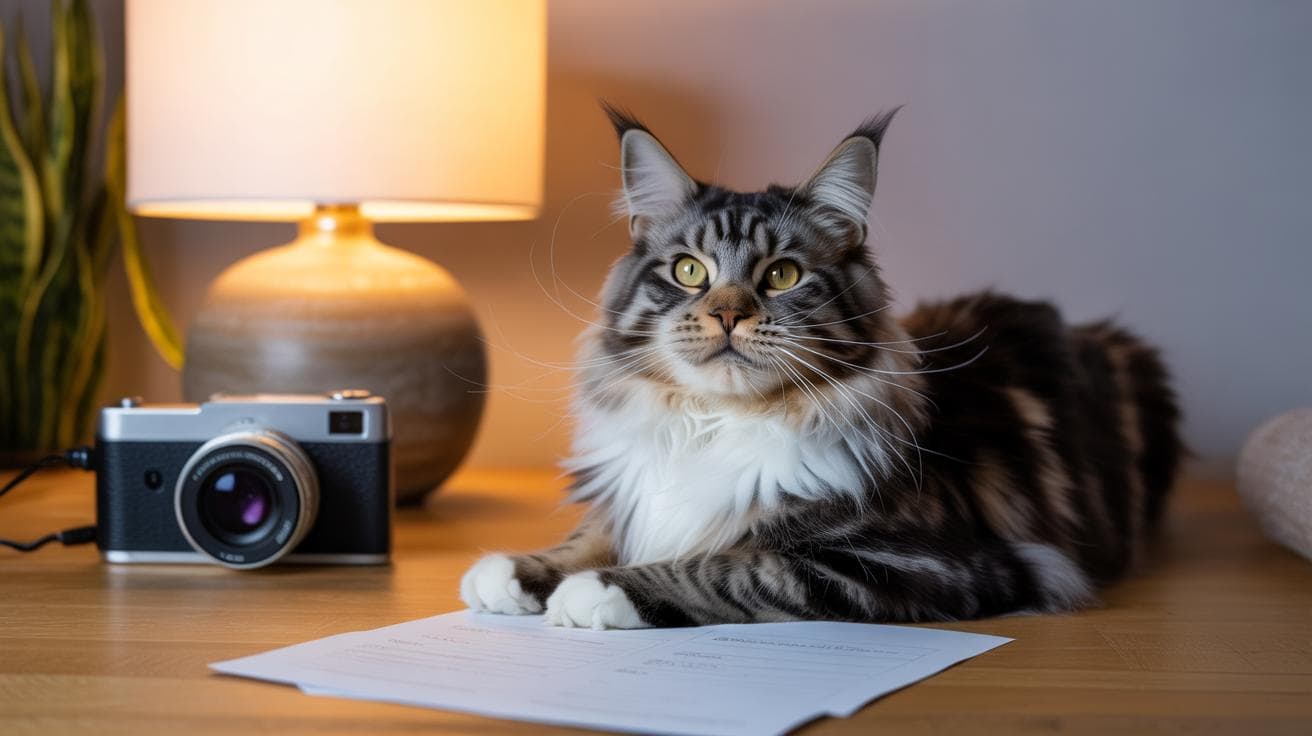
A responsible breeder should give you test certificates with dates, lab names, and clear health paperwork plus a health guarantee or return policy. Keep those papers with your cat’s records – they’re gold when you need them.

Feeding, Nutrition & Preventing Obesity

- Health Risks, Screening, Genetic Testing Checklist  Senior Care.jpg

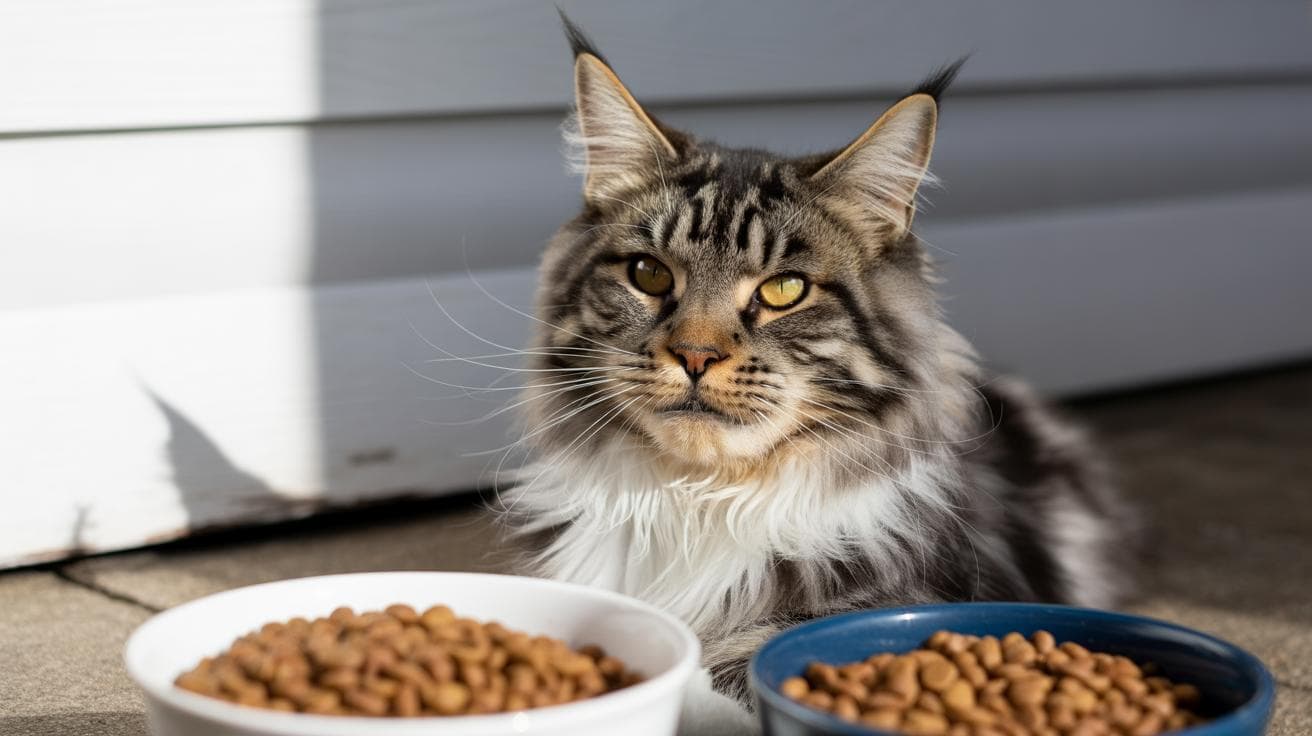
Big bodies need the right building blocks. Maine Coons do best on a higher-protein diet (protein = the building blocks that repair and build muscle), with moderate fat (fat = long-lasting energy) and limited simple carbs (simple carbs = quick sugars that add empty calories). Because they grow big and slowly, portion control matters – check the Quick Facts for headline size and growth ranges so you know what to expect.

Kittens need more frequent, measured meals to build strong bones and muscles without packing on extra fat. Free-feeding dry kibble (leaving crunchy dry food out all day) makes it easy to overdo calories during those slow growth years. Try splitting meals: three to four small feeds for youngsters, two meals a day for most adults, and pick large-breed kitten formulas or high-protein adult recipes. Weigh kittens weekly while they grow, then switch to monthly checks for adults so you can tweak calories if activity or body shape changes.

Keeping a Maine Coon at a healthy weight saves joints and makes life comfier. Use play and enrichment (toys, short games, food puzzles) to burn calories and keep them sharp. Avoid too many table treats, and learn a simple body condition score (BCS – a quick visual plus feel check) so you know if ribs are lightly covered or buried.

Worth every paw-print.

Practical actions:

  • Measure portions with a kitchen scale or scoop and follow calorie guidance.
  • Use food puzzles and slow feeders to stretch mealtimes and make eating fun.
  • Check body condition score (BCS – visual + feel) regularly so you can catch changes early.
  • Choose high-protein formulas suited for active, large-breed cats.
  • Adjust portions for activity level – more play = more calories; couch cat = less.
  • Routine weigh-ins: weekly for growing kittens, monthly for adults.

Ever watched your kitty chase shadows? That little burst of play helps more than you think. And if you’re unsure about targets, your vet is a great partner to set calorie goals and keep your big buddy feline fine.

Adoption, Cost, Questions to Ask & Ongoing Care

- Feeding, Nutrition  Preventing Obesity.jpg

Picking between a rescue and a breeder comes down to what you want and what you can handle. Rescues usually cost less and sometimes have cats with mixed backgrounds, while responsible breeders will give you lineage, early health checks, and a more predictable temperament , and yes, that paperwork raises the price. If you’re aiming for a show-quality or specially socialized kitten, breeders are the common route. If you want to save a life and give a second chance, rescues often have wonderful Maine Coon mixes and sometimes purebreds too.

When your new cat arrives, take them to the vet right away for a checkup and any needed vaccines. Microchip (a tiny ID implant placed under the skin) if they don’t already have one, and plan spay or neuter (surgical sterilization) timing with your clinic. Ask the seller or rescue for medical records, vaccination dates, and notes on past vet visits. See "Health Risks, Screening, Genetic Testing Checklist & Senior Care" for the full list of tests to request and what paperwork a responsible breeder should provide , genetic testing means DNA checks for inherited issues, by the way.

Budget for both one-time buys and monthly costs. Upfront fees can be a bargain at shelters or higher with breeders depending on pedigree (family tree paperwork) and health screening. Expect initial vet bills, microchipping, spay/neuter, a carrier, a cat tree, and starter food. Monthly costs include high-quality food for a large-breed cat, routine vet visits, parasite prevention (flea, tick, and worm medicine), and the occasional professional groom or trim. Big paws often mean a bigger litter box and tougher climbing furniture, so factor those in.

Help your new cat settle in with a quiet room, a cozy bed, a low-sided litter box, food and water on separate surfaces, and a few items that smell like home. Keep first meetings with other pets short and calm, and make play and handling gentle. Make that first vet visit a friendly check-in so the kitty learns the clinic is okay. Microchip plus a visible ID tag is the best backup if your explorer slips out.

  1. Do you provide health test documentation? (See Health section for which tests matter.)
  2. What vaccinations and deworming has the cat received, with dates?
  3. How has the cat been socialized with kids, dogs, and other cats?
  4. Is the kitten/cat registered with a pedigree or club, and can I see the paperwork?
  5. What contract, health guarantee, or return policy comes with the adoption or purchase?
  6. Are there known issues in the bloodline or common problems in this line?
  7. When should I schedule the first vet visit, and do you recommend a local clinic?
  8. What diet has the cat been eating so far, including brand and feeding schedule?
  9. What supplies do you recommend I buy before bringing the cat home?
  10. Do you offer post-adoption support or help with settling in and behavior?

Rescue & rehoming tips

Look for breed-specific rescues or well-run general shelters that ask good questions and do behavior assessments. Expect an application, maybe a home interview or visit, and an adoption fee that helps cover vet care. After you bring your cat home, schedule a full vet exam, update vaccines if needed, confirm or add a microchip, and start a slow introduction plan for people and pets. A little patience up front pays off , your cat will thank you with purrs and playful zooms.

Common Myths, Fun Facts & Pop Culture

- Adoption, Cost, Questions to Ask  Ongoing Care.jpg

Origin myths and tall tales are covered in History. Ever heard the raccoon-cross story or the Marie Antoinette shipping tale? Those make great stories, but they don’t hold up to genetic (DNA) or historical evidence. See History for the full notes if you want the deep dive.

Quick, shareable fun facts: Maine Coons often chirp and trill instead of yowling, many love water, and sailor lore helps explain polydactyl (extra toes) anecdotes, see Appearance, Temperament, and History for the full stories and sources. Ever watched a Maine Coon paddle at a bowl of water? It’s oddly charming.

Shareable trivia:

  • See Quick Facts for exact record numbers and source citations.
  • About 75 documented color and pattern combinations (see Appearance).
  • Vocal style: chirps and trills rather than steady yowling (see Temperament).
  • State cat of Maine since 1985 (see History).

Final Words

Right in the action: this post packs a Quick Facts box, clear ID traits, a growth timeline, history notes, temperament and training tips, grooming how-tos, a health testing checklist, feeding advice, adoption questions, and a handful of fun myths.

For busy multi-cat homes, lean on the growth chart, screening checklist, and grooming plan to save time, cut stress, and keep your crew entertained and healthy.

Try one tip this week. maine coon facts make it easy to spot needs and celebrate those big, chirpy purrs.

FAQ

What are some fun facts about Maine Coon cats?

Fun facts about Maine Coon cats include big size, bushy tails used for warmth, a love of water, friendly ‘chirps,’ state cat status, long growth, polydactyl history, and snow-ready paws that kids adore.

What makes Maine Coons so special?

Maine Coons are special because they’re large yet gentle, often dog-like in loyalty and trainability, built for cold with a water-resistant coat, and famous for quirky trills that melt hearts.

How long does a Maine Coon cat live?

A Maine Coon cat typically lives about 10 to 15 years, with indoor cats often reaching the upper end when given consistent vet care, good weight control, and a healthy routine.

Do Maine Coon cats like to be held?

Maine Coon cats tend to enjoy close contact; many like being held or sitting on laps if socialized early, though some prefer side-by-side companionship rather than full cuddling.

What should I feed a Maine Coon?

You should feed a Maine Coon a higher-protein diet formulated for large, active cats, use measured portions during slow growth years, offer food puzzles to prevent overeating, and weigh regularly with your vet.

What is Maine Coon behavior like?

Maine Coon behavior is sociable, playful, and intelligent—expect chirps, fetch games, leash-training potential, curiosity about water, and strong compatibility with children, dogs, and busy homes.

When do Maine Coon cats stop growing?

Maine Coon cats usually finish growing between three and five years, with males typically larger; monitor steady weight gain and talk to your vet if growth looks too slow or too fast.

How do Maine Coons compare to Ragdoll, Norwegian Forest Cat, Bengal, and Savannah breeds?

Maine Coons differ by a rugged, rectangular build and cold-weather coat; Ragdolls are calmer and floppy, Norwegian Forest Cats are similarly cold-adapted, while Bengals and Savannahs are higher-energy and wild-looking.

Related Articles

Author

  • Isabella Tiu

    Isabella Tiu is a transcriptionist from Calhoun, Florida, known for her sharp attention to detail and her commitment to providing accurate and efficient transcription services. With a passion for language and communication, she thrives on transforming spoken words into clear, readable content for her clients.

    When she's not working, Isabella enjoys hiking and camping, finding peace and inspiration in the beauty of the outdoors. She often says, “The best lessons are often learned in nature,” a philosophy she embraces both in her work and personal life.

    Isabella’s love for both her craft and the natural world reflects her belief in continuous learning and exploration.

    View all posts

Similar Posts