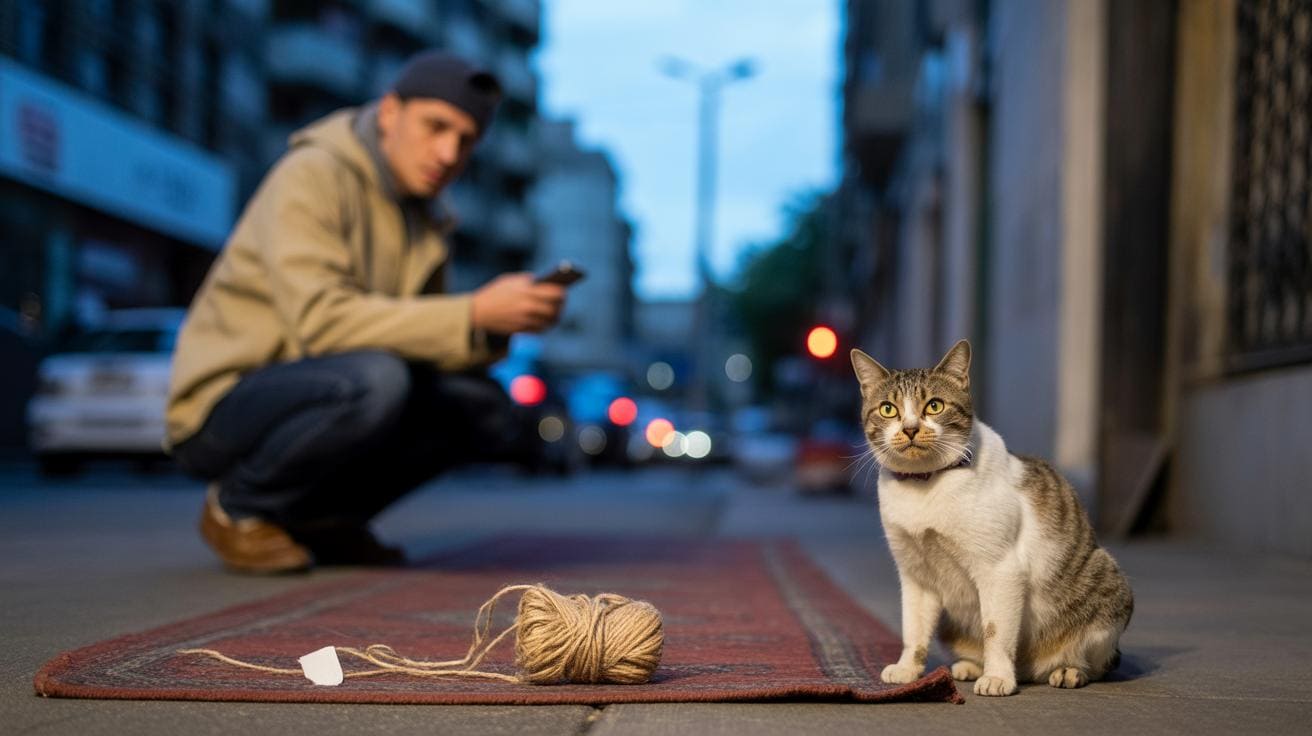
Think your cat's teaser wand is harmless? Think again. Those fluttery feathers and skinny strings look like pure fun, but they can hide real risks like choking, tangled limbs, or injured eyes. Ever watched your kitty chase a feather until their whiskers twitch? It’s adorable and a little nerve-racking.
I once watched Luna go from playful pounces to a wide-eyed fixation, her paws going in circles around a string. That’s why short, supervised play sessions and a clear capture at the end matter. Capture (end the game by giving a treat or letting your cat “catch” a safe toy, then put the wand away) gives your cat a win and keeps things safe.
Before you play, do a quick check: make sure feathers and attachments are secure, clips and knots are tight, and strings are not frayed. Keep sessions short, about 5 to 10 minutes for most cats; kittens should have shorter bursts. Always watch while you play, and store the wand out of reach when you’re done.
If your cat does get tangled, stay calm and call them with a soft voice or a treat to distract them. If they won’t let go or the string is wrapped tightly, gently cut the string close to the knot with scissors and get help; if there’s bleeding, a limp limb, or an eye injury, contact your vet right away. And, um, don’t feel bad, these things happen to the best of us.
Worth every paw-print.
Quick-action safety summary: what to do right now
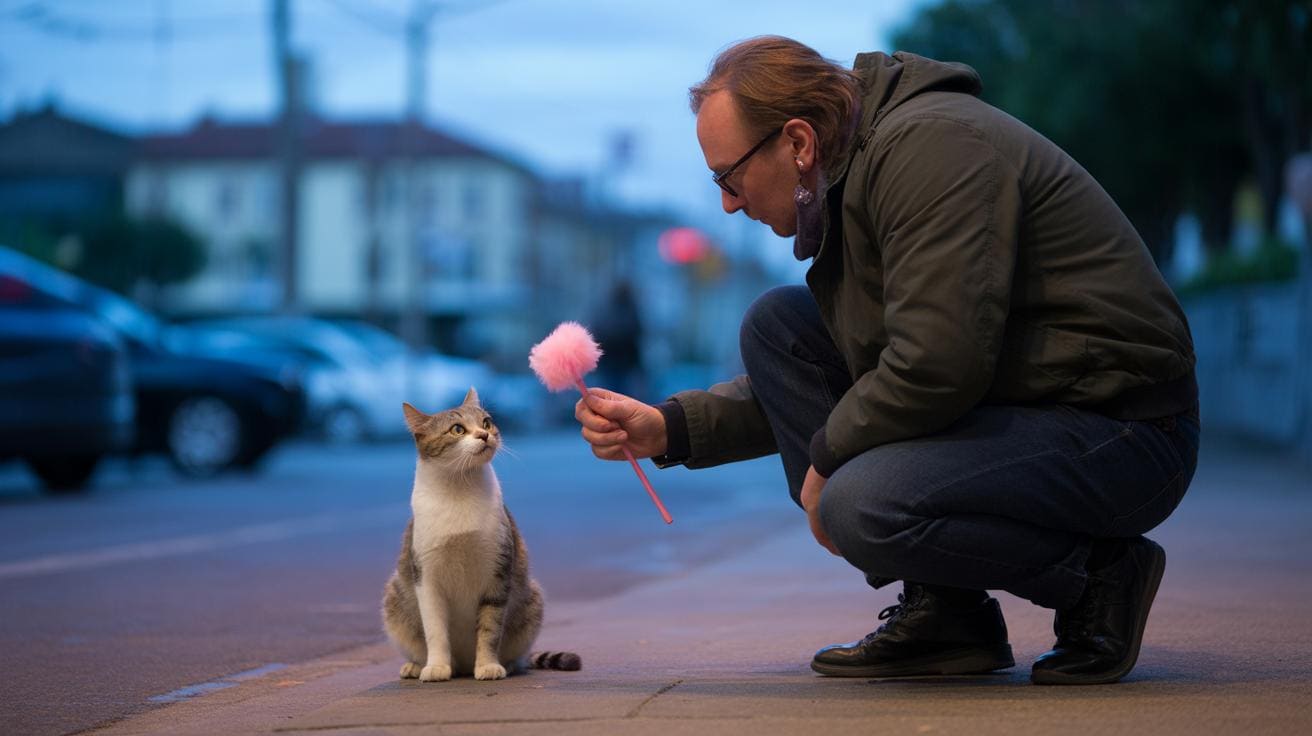
Always watch every teaser wand play session. Give the wand and attachments a quick once-over before you start. End play with a satisfying capture or treat so your cat doesn’t keep chasing and get fixated.
Common immediate risks: choking (airway blockage from small parts), entanglement (string wrapped around a paw or limb), eye trauma (eye injury from whipping motions), and overstimulation that can lead to biting or redirected aggression. Ever watched your kitty go from zoomies to full-on pounce mode? That’s when you step in.
Keep sessions short and focused. Aim for 5 to 10 minutes per burst, up to three bursts a day for active adult cats; shorten those bursts for kittens and seniors. If something goes wrong, stop play, separate the cat calmly, and cut the line with scissors if they’re tangled (careful not to cut skin). Call an emergency vet right away for severe signs like persistent vomiting, trouble breathing, heavy bleeding, collapse, or not responding.
- Do supervise every wand session.
- Do use non-toxic, larger attachments (no tiny parts that could be swallowed).
- Do end each session with a “capture” or treat so play feels finished.
- Do check the play area for cords, sharp corners, and other hazards before you start.
- Do rotate and inspect attachments for wear or loose bits before each use.
- Do keep sessions short: 5–10 minutes per burst, up to three times a day for active adults; reduce for kittens and seniors.
- Don’t use elastic bands or rubber bands as attachments.
- Don’t leave a wand, string, or parts lying around unattended.
- Don’t whip the rod toward your cat’s face or eyes.
- Don’t use tiny detachable beads or parts smaller than 1/2 inch.
Worth every paw-print.
Materials, buying, and DIY
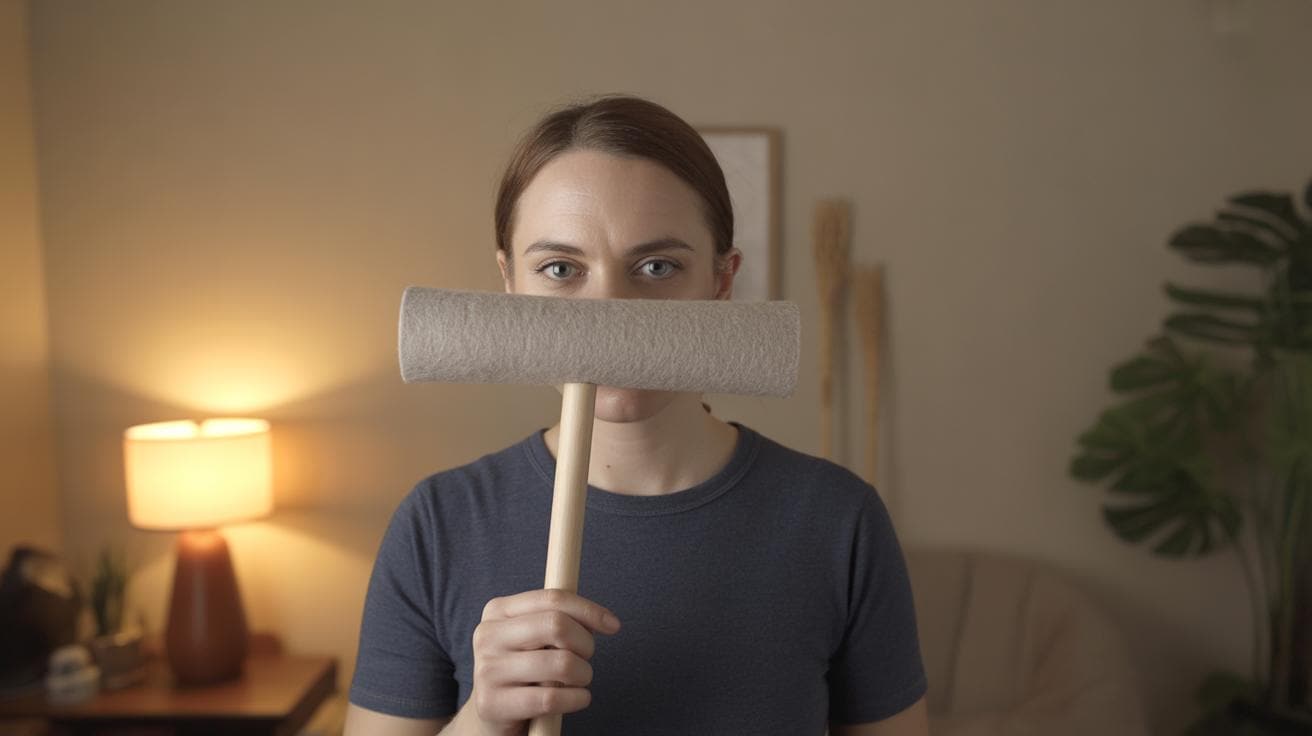
Start with a solid rod. Wood handles (light and grippy) or aluminum (a lightweight metal that bends instead of snapping) make great bases. Avoid brittle plastics that can crack into sharp bits. The part that flies? Natural feathers (real feathers that shed) or short-pile faux fur (soft synthetic fur with short fibers) feel irresistible to cats. Thick synthetic fabrics stand up to chewing way better than thin ribbon, and they make a more satisfying swat. Use thicker monofilament (single-strand fishing line) instead of thin thread for the connection. It resists fraying and is less likely to snap into dangerous fuzzy bits.
Dyes and glue need attention. Cheap dyes and unknown adhesives can leach or stain paws and mouths. Spot-test new colors by rubbing a damp white cloth over the piece. If color blooms, skip it. Prefer sewn seams and stitched backing over glued-only joins. Pet-safe adhesives (water-based and labeled non-toxic) are okay for quick fixes, but don’t rely on glue alone. Also watch for metal parts that might contain heavy metals and avoid anything unlabeled.
Sizing and design keep play safe. Make the toy end at least 2 inches across so cats can bat without swallowing it. No beads smaller than 1/2 inch. Tiny detachable bits are choking hazards. Pick wands with clip-on or replaceable tips so you can swap worn pieces instead of tossing the whole rod. Avoid permanently glued-on tiny parts or loose threads that can pull free during play.
Quick buying checklist
- Replaceable ends clearly labeled.
- Non-toxic materials called out.
- Thick line connections visible.
- Visible stitching and solid backup knots.
DIY picks that work. For homemade teaser tips, use tightly woven cotton (sturdy quilting cotton), felt (dense wool or synthetic fabric), or short-pile faux fur (low-shed synthetic). Sew seams with double stitching and use a stitched backing cloth for repairs instead of just glue. Don’t use plastic bags, rubber bands, or small beads. Store spare tips separately so you can rotate them in when one shows chewing damage. Speaking of feathers, my cat once traded a feather for a nap, so rotating keeps things interesting.
Safe knotting and attachment methods
Keep knots simple and strong. A double-overhand knot (two wraps) with at least a 1/2 inch tail tucked under a stitched backing patch helps stop slippage. For loop attachments, thread the line through a small metal ferrule or a sturdy clip and crimp or stitch the ferrule to lock it in place. Use thicker monofilament (single-strand fishing line) rather than thin sewing thread.
Want a breakaway connection? Use a small breakaway clip or a deliberately weaker short cord section that releases under moderate force. Test it by tugging so the connector comes apart before the line tightens around a paw. Quick reminder: toy-end should be at least 2 inches across, no beads smaller than 1/2 inch, and leave about a 1/2 inch tail beyond knots for safe stitching. Worth every paw-print.
Teaser Wand Safety Tips for Cats
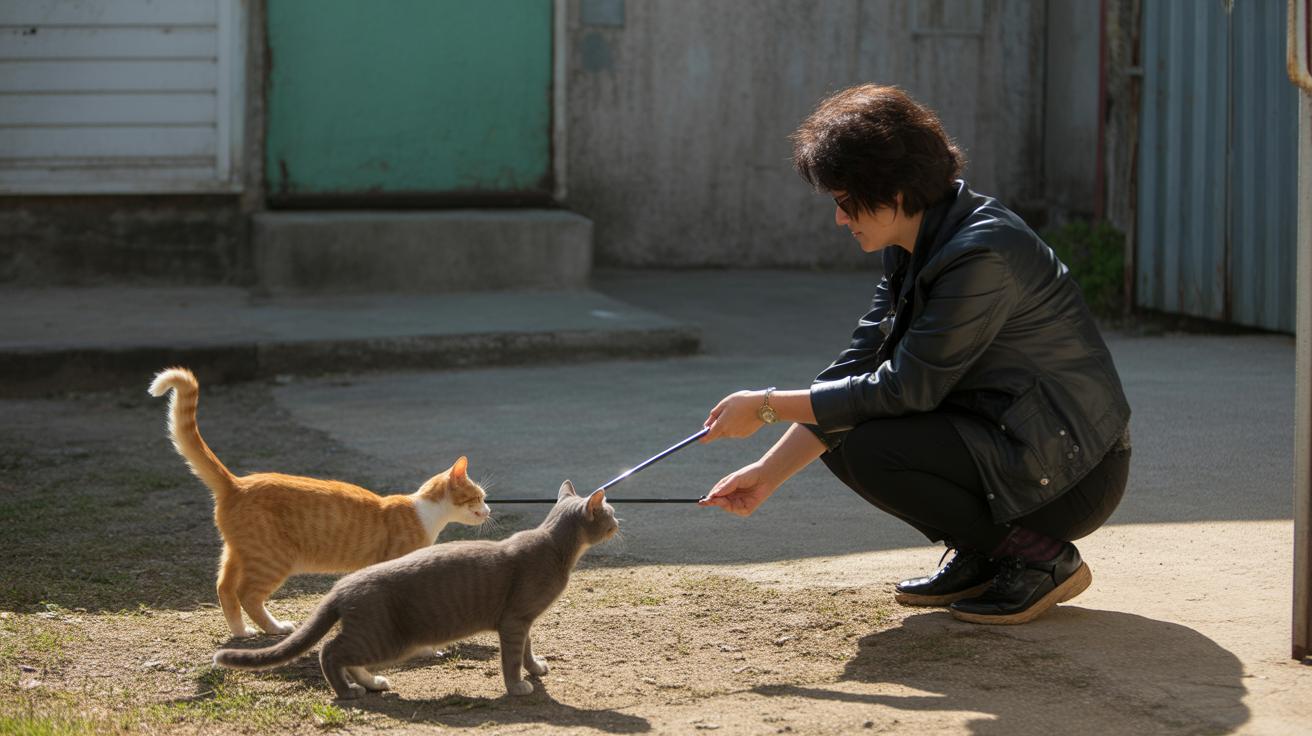
Active supervision keeps small things like swallowing or tangling from turning into big problems. Stay low or kneel so you control the wand (a stick with a string and toy on the end). Keep the handle (the grip you hold) out of paw reach between moves, or tuck it under your foot when the chase pauses. Hold the rod (the stick) so the line (the string) never drags behind furniture where a curious paw can snag it. Controlled, deliberate motions beat wild swinging every time , safer and more fun for your kitty.
Run play sessions like a tiny story. Start slow to spark interest, build into a lively chase with quick, jerky moves that mimic prey, then end with a calm capture and a treat or gentle petting so the hunt feels finished. Your cat’s whiskers will twitch as the toy darts away and the final pounce feels so satisfying. Clear the room first, put away cords and breakables, and check the quick-action checklist for exact burst lengths and how often to repeat sessions.
Multi-cat homes need a plan so no one hogs the spotlight. Offer multiple wands or stagger playtimes so the high-drive kitty doesn’t monopolize the toy. Use separate areas or close a door for back-to-back sessions and watch for resource guarding, blocking access, hissing, or one cat stealing the toy and refusing to share. Rotate toys so every cat gets a turn and play stays peaceful.
Signs of overstimulation and when to stop
Watch for tail lashing, flattened ears, sudden hard bites, or frenzied spinning. If you see any of those, pause play. Swap to a calmer on-floor toy, or calmly separate the cats and follow the quick-action checklist’s immediate stop actions. Worth every paw-print.