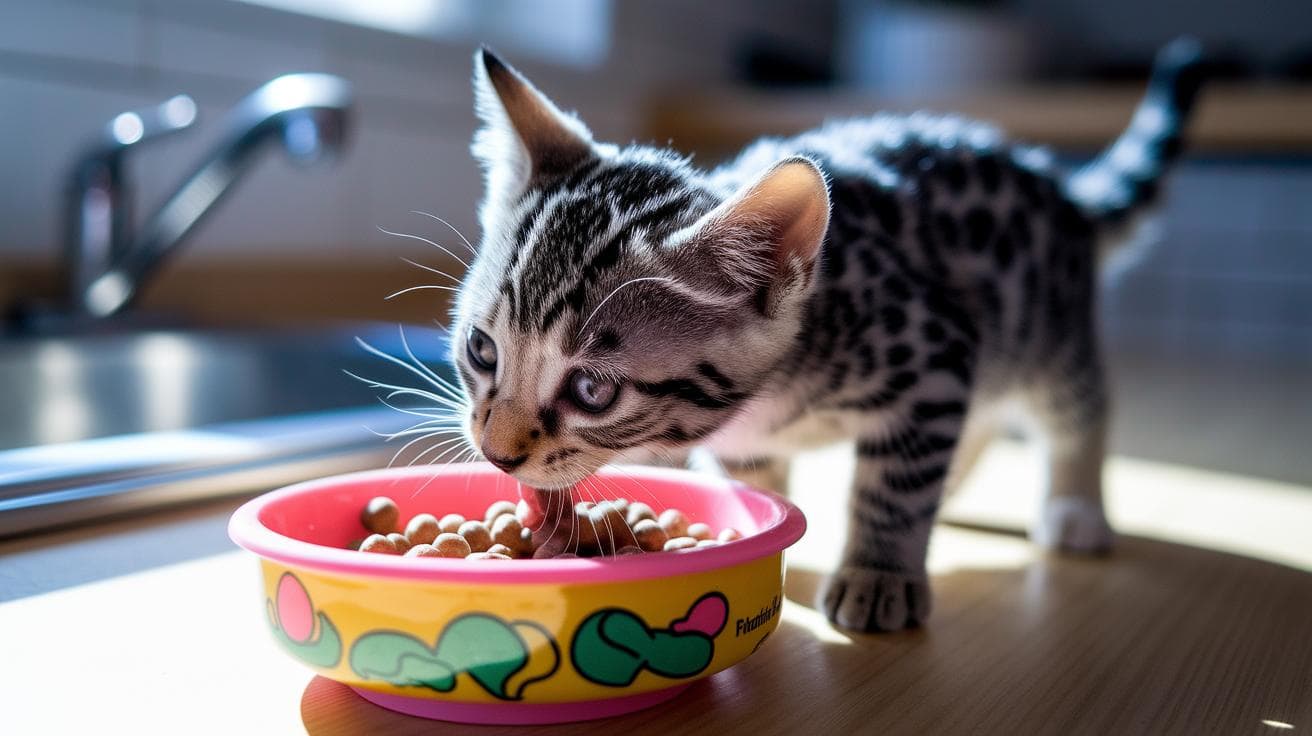
Ever watch your kitty sniff that same bowl of crunchy kibble? With just 470 taste buds and zero sweet receptors, they’re not exactly food critics – uh, make that picky critics. They need more than dry crunch to feel feline fine. Really.
In the wild, cats feast on mice, birds, even crunchy insects. Each snack delivers precious moisture and protein (the muscle-building stuff) in one go. It’s like nature’s combo meal. Whoa.
We can’t toss live mice across the floor (thank goodness), but we can whip up wet, meaty dinners that come close. Fill them with animal protein, taurine (a tiny amino acid), and a splash of broth for extra slurp. Your cat’s whiskers will dance with excitement! Then watch the zoomies.
Ready to craft their dream dinner? Let’s dive into tasty, protein-packed recipes your furball will adore.
What Cats Like to Eat: Essential Food Groups
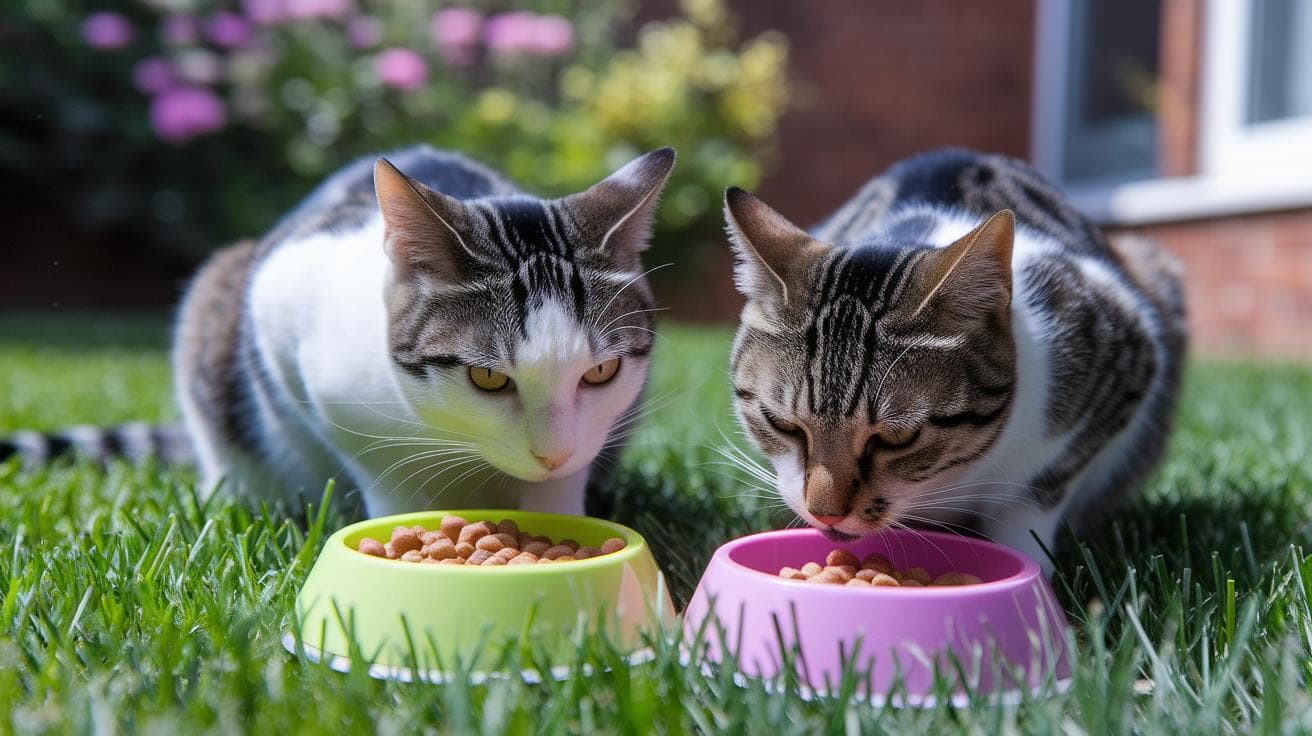
Ever wondered what your kitty really wants at dinnertime? With only 470 taste buds, cats aren’t chasing sweet flavors, they’re all about meaty delights. They need high animal protein and a splash of moisture for strong muscles and boundless energy.
In the wild, your furball would hunt small rodents, birds, even insects, slurping up every last drop of dew and prey juice. So our job is to recreate that wet feast with loads of protein, plenty of water, and almost no carbs. Ever watched your cat’s whiskers twitch as the food rolls along? Pure magic.
Here are the must-have food groups for a truly happy feline:
- Animal protein: lean muscle cuts and organ meats pack the punch your cat needs for strong muscles and a rock-solid immune system.
- Taurine: an amino acid (a tiny protein building block) only in meat and seafood, essential for sharp vision and a healthy heart.
- Vitamins and minerals: think vitamin A from liver, vitamin D from fish oil, and calcium from crushed bone, tiny helpers that keep your cat feeling purr-fect.
- Fatty acids: omega-3 and omega-6 (good fats) that make coats glossy and skin soft.
- Fiber: a bit of plain cooked pumpkin or green beans to keep digestion on track and weight in check.
Wet food delivers around 70-80% moisture, so your cat stays hydrated without extra water bowls. And low carbs? They keep digestion smooth and energy steady, no wild sugar spikes here.
So when dinner time rolls around, think “fresh prey.” Meaty. Moist. Utterly irresistible.
Meat and Protein Sources Cats Like to Eat
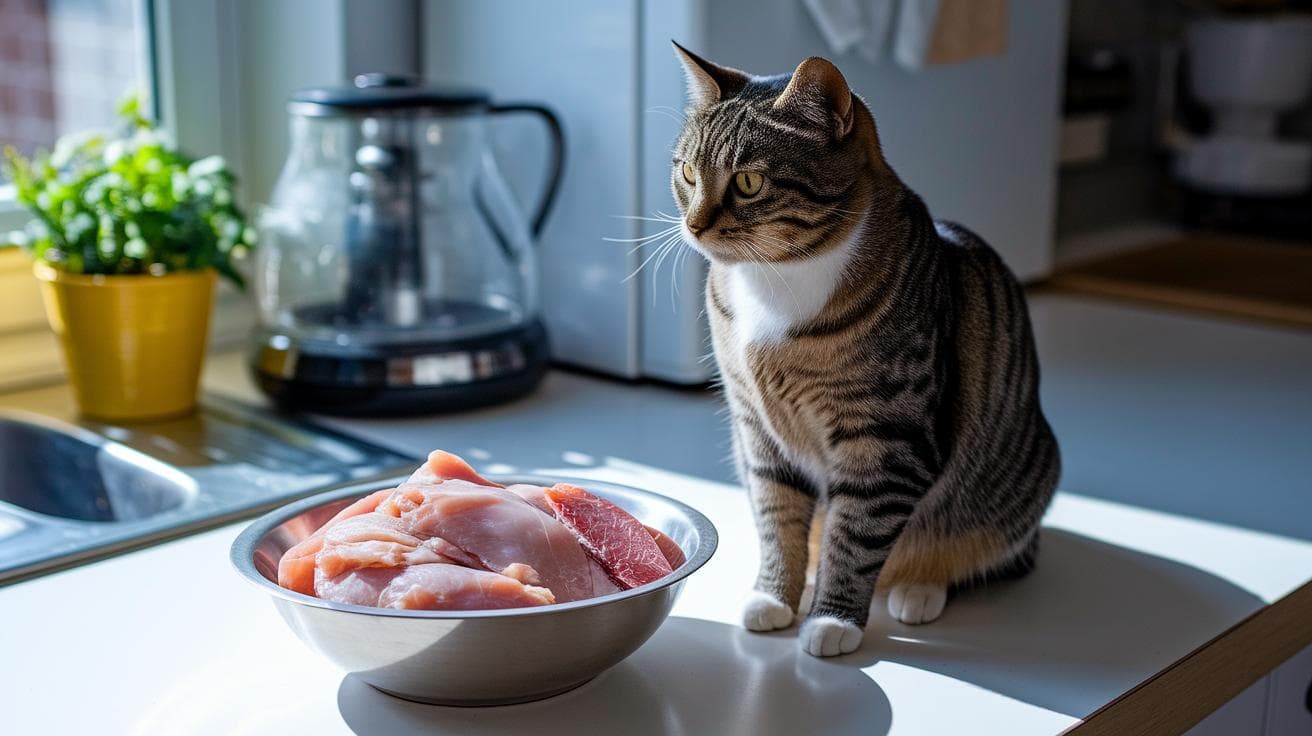
Lean poultry (fresh chicken and turkey breast) steals the show in any cat diet. Your kitty’s whiskers twitch at the smell of it. It’s low in fat and full of muscle-fueling protein. Ever watched your cat go full ninja after a treat?
But duck can be a fun change of pace. Seriously, organ meats are a real power-up: liver (rich in vitamins), kidneys (tiny nutrient-packed gems), and heart (all that protein). Taurine (an amino acid vital for eyes and heart) lives only in meat and seafood. So organ snacks aren’t just tasty, they’re crucial.
Red meat works too, if you prep it right. Trim off any excess fat. Then give ground beef or lamb a quick boil to rinse away oil. The scent of cooking beef will have your cat circling your feet in no time.
What about seafood? Tuna is a favorite, but too much can load up heavy metals. Keep it as an occasional treat. And chicken bones? Nope. They splinter and can lodge in throats or tummies. No fun there.
Some cat lovers try a raw diet, dreaming of bringing the wild hunt home. But raw meat can hide salmonella or rogue bone shards. Uh, you know, not worth it. Instead, poach unseasoned meat in water until it’s just cooked. It keeps the flavor, locks in nutrients, and keeps your kitty safe. Worth every paw-print.
Wet Cat Food vs Dry Kibble: What Cats Prefer to Eat
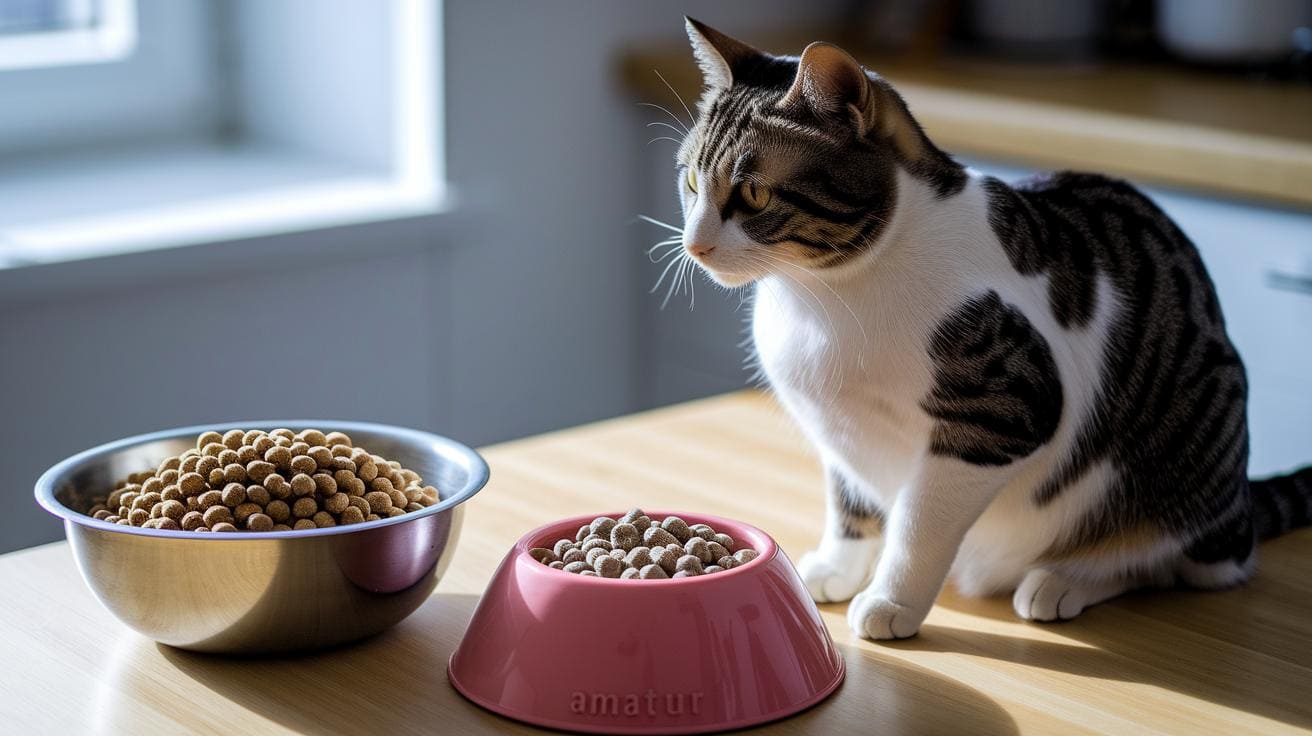
Wet food packs in about 70 to 80 percent moisture (water content), so each bite feels like fresh prey. Your cat gets a juicy snack that helps with their water intake – no extra fountain needed if they slurp that savory gravy. It’s soft on tender teeth and nails. And when they crave a little splash of yum, wet food almost always hits the spot.
Dry kibble wins on convenience. You can leave crunchy nuggets out when you dash off to work, and busy pet parents love the no-fuss cleanup. Cats often go nuts for that bold crunch. Just remember it won’t hydrate them, so always add fresh water or a pet fountain.
Grain-free kibbles and pates skip extra carbs to keep digestion smooth and energy steady. Always look for fresh meat as the first ingredient (not mystery fillers). Top brands like Purina, Royal Canin, Hill’s Science Diet, Iams, and Wellness each offer grain-free dry and wet recipes in all sorts of kibble sizes and protein flavors. Try a bit of each style and watch your kitty’s eyes light up.
Let the taste test begin.
what do cat likes to eat Perfect Meals
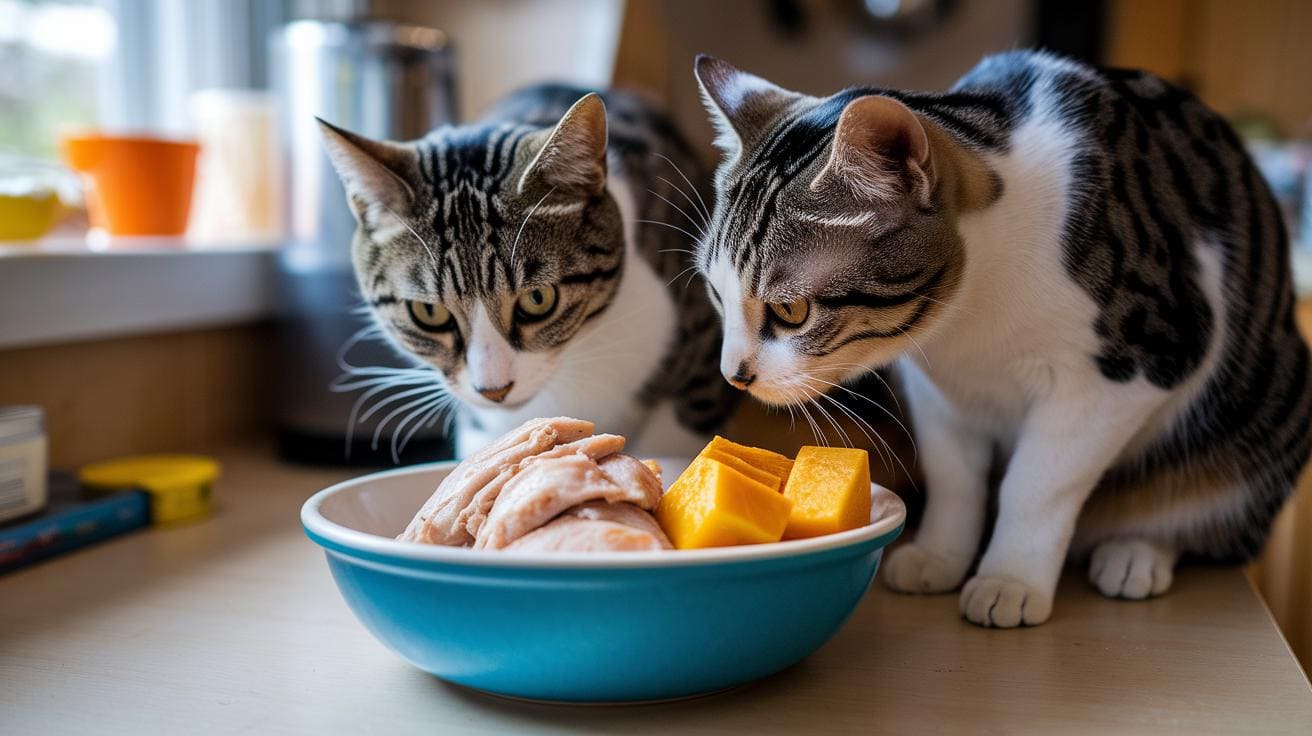
Hey there, fellow cat parent! Treats should make up no more than 10 percent of your kitty’s daily calories. But they’re a fab way to mix in nutrition and some bonding time.
Ever noticed your cat sniffing meat like a tiny detective? Cats only have about 470 taste buds, so they lean toward meaty and fatty flavors. No sugar rush for them.
When you introduce human foods, start with a tiny bite or two. Watch for tummy troubles or surprise sneezes, then slowly give more if all goes well.
Try these simple proteins:
- Cooked lean meat: plain chicken, turkey, or beef with no seasoning. Soft, bite‐size pieces are purr‐fect.
- Eggs: softly scrambled or hard‐boiled, plain and just a teaspoon or two.
- Pumpkin: plain canned or cooked squash, about a teaspoon to help digestion.
- Apple: peeled, seed‐free, and sliced paper‐thin so your kitty can nibble.
- Blueberries: one or two fresh berries for a tiny antioxidant boost.
Veggies to toss in:
- Green beans: steam until soft and chop small so they don’t get stuck.
- Carrots: cook until tender and slice extra thin to avoid choking.
- Spinach: puree or finely chop to break down those tough fibers.
Freeze‐dried cat treats pack high protein with almost zero additives. They’re claw‐tastic for training or hiding in a puzzle feeder; your cat will pounce like it’s real prey.
Mix these add-ons into playtime or sprinkle them on meals for a fresh twist. Who says perfect meals have to be boring? Purr-fect snack time, every time!
Foods Cats Like to Avoid and What Not to Feed
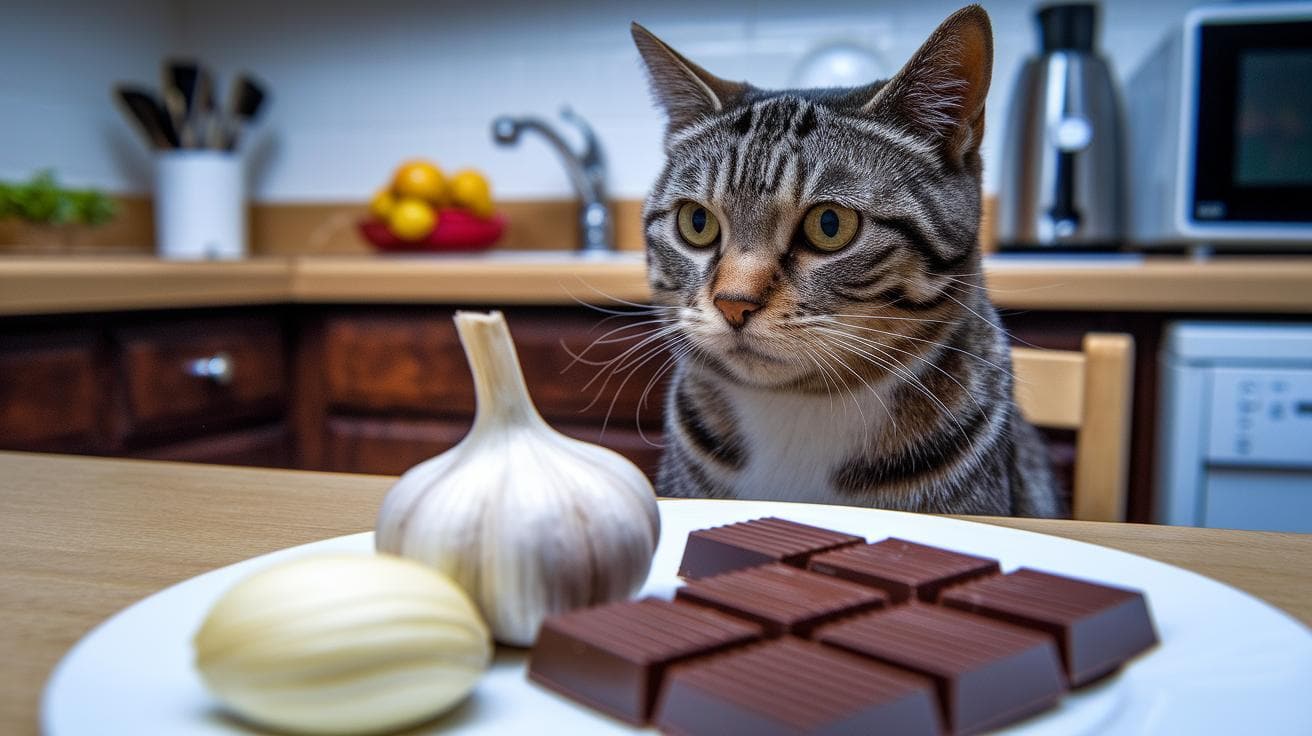
So, those crunchy chips and salted nuts you love can really mess with your cat’s balance. High salt and heavy seasonings can throw off their electrolytes (body salts that help cells work). That may lead to sodium sickness. And then your furball gets super thirsty and uncomfortable. Ever see them paw at the water bowl?
Here are foods you should never share with your kitty:
- Onions and garlic (can cause anemia and tummy distress)
- Grapes and raisins (risk of kidney damage)
- Chocolate and caffeine (toxic stimulants)
- Anything with xylitol (a sugar substitute) (dangerous drop in blood sugar)
- Raw bread dough (yeast (tiny fungus that makes dough rise) expands and can bloat)
You might think milk is fine. But most cats lack the enzyme lactase (makes milk sugar digestible). So milk often leads to diarrhea or vomiting. Tiny bits of cheese or yogurt can sneak in as rare treats. But don’t make them a daily snack.
Stick to protein-rich, moisture-packed foods so your cat stays healthy and happy. That way you avoid the pitfalls of unsafe human treats. And watch those whiskers twitch with delight!
Feeding Guidelines for What Cats Like to Eat: Portions and Hydration
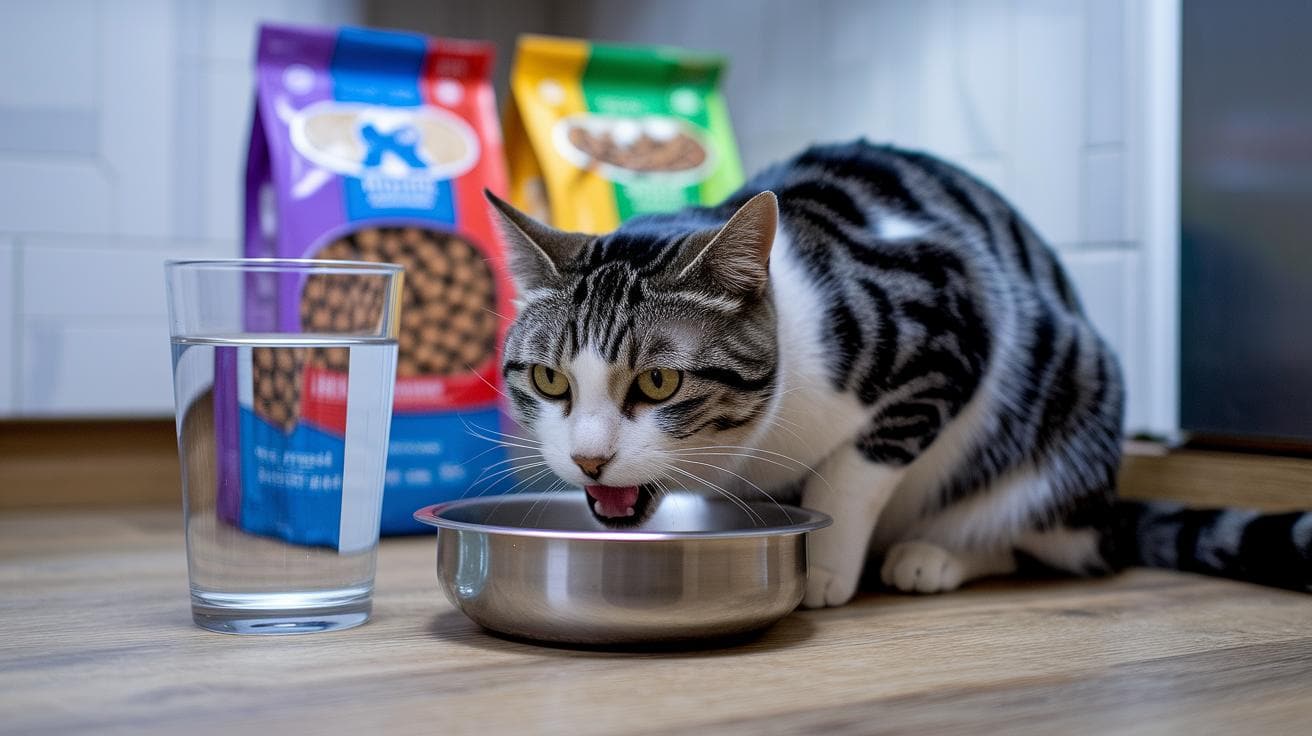
You know how much cats adore treats. Keep them under 10 percent of their daily calories so mealtime stays balanced. Measure portions by weight: about 3 to 4 ounces of wet food (soft cans of goodness) or ¼ cup of kibble per five pounds of body weight. Adjust up or down if your furball starts filling out or looking too skinny, uh, makes sense, right?
Most grown-up cats do best on two meals a day. Kittens need more, shoot for three to four small feedings. Spreading meals keeps their energy steady and stops the “feed me now” drama. Ever watched your kitty sprint to the bowl? It’s a sight!
Don’t forget water. Top up bowls every day, especially if you’re feeding dry kibble. Cool, crisp water helps prevent urinary troubles and keeps coats glossy. If they’re ignoring the bowl, try a pet fountain. The moving water often sparks curiosity and gets them sipping.
Slow feeders or automatic feeders can curb gulping and overeating. They’re clutch on busy mornings when you’re rushing out the door. When you shop, peek at a cat food brands overview for recipes with high moisture and low carbs. A little planning goes a long way toward happy tummies and purrs.